
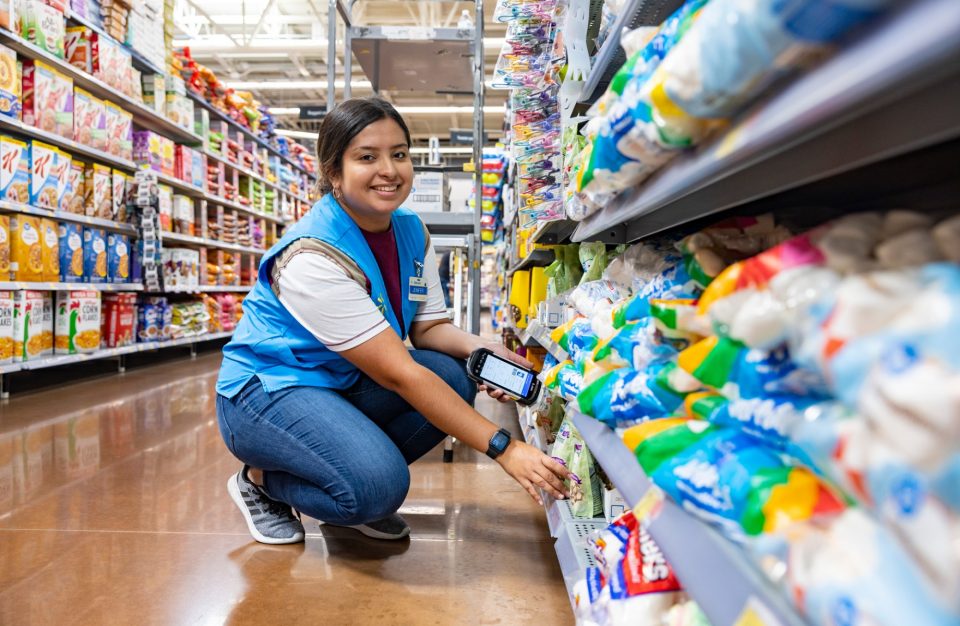
Rising fuel costs are changing consumer behaviour as households become more cautious about everyday spending
American consumers are increasingly cutting back on discretionary spending as high petrol prices continue to put pressure on household budgets.
Although oil prices have recently fallen from their earlier highs, the impact of elevated fuel costs is still being felt by consumers. For many households, filling the car remains a significant weekly expense, leaving less money available for restaurants, entertainment, clothing and other non-essential purchases.
The change in behaviour is also relevant to the grocery sector. Food remains an essential purchase, but consumers are becoming more conscious of how much they spend on each shopping trip. Supermarkets are therefore likely to face greater demand for promotions, private-label products and lower-priced alternatives.
For retailers, the pressure extends beyond the supermarket aisle. Higher petrol costs can influence how frequently consumers visit stores, particularly in suburban and rural areas where shoppers rely heavily on their cars. A longer journey to a cheaper supermarket can become less attractive when the cost of fuel is taken into account.
This could benefit retailers with convenient locations, competitive prices and strong online grocery operations. Home delivery and click-and-collect services may also become more attractive if consumers attempt to reduce unnecessary journeys.
The current environment is creating a difficult balance for American retailers. Consumers still need to buy food and household essentials, but they are becoming increasingly selective about where and how they spend their money.
Private label is particularly well positioned in this environment. Supermarket own-brand products can offer shoppers a lower-cost alternative to major brands while allowing retailers to maintain competitive pricing.
The pressure on household budgets is also likely to influence consumer choices beyond price. Shoppers may increasingly compare supermarkets, use loyalty programmes, search for promotions and change brands in an effort to reduce their weekly grocery bill.
For retailers, understanding this shift will be crucial. A consumer who feels financially squeezed may not stop shopping, but they can change where they shop, what brands they buy and how much they spend.
The latest consumer behaviour therefore provides another reminder that petrol prices have consequences far beyond the forecourt. When transportation costs rise, household budgets can quickly come under pressure — and supermarkets are among the businesses that feel the effects of those changes in consumer spending.