
By Elena Rostova, Supply Chain Editor, ISN
For three decades, the primary metric of success for a consumer goods brand was shelf-space dominance. If a brand could introduce twenty different flavors of a single chip, or ten different package sizes of a soda, they could effectively crowd out smaller competitors from the physical supermarket aisle.
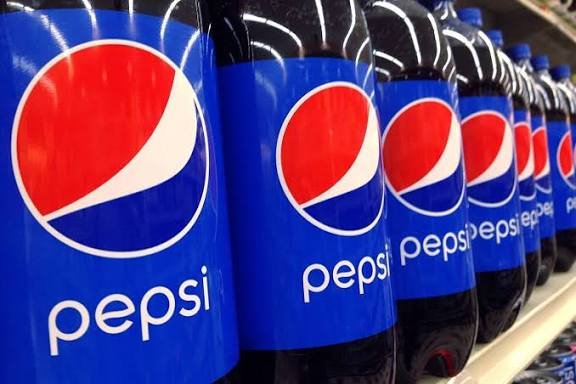
That era of hyper-customization is officially dead. PepsiCo’s recent shock announcement that it is eliminating nearly 20% of its individual product variations in the US—coupled with the strategic closure of multiple production plants—is the definitive turning point.
  OLD BRAND PLAYBOOK             NEW CPGA PRIORITY
┌───────────────────────┐      ┌───────────────────────┐
│  Hyper-Customization  │ ───> │  SKU Rationalization  │
│  Maximum Shelf Space  │      │  Velocity & Liquidity │
└───────────────────────┘      └───────────────────────┘
ISN’s logistics team has been charting the underlying costs that forced PepsiCo’s hand. In a landscape defined by elevated diesel costs, warehousing space premiums, and acute labor shortages, low-volume, niche variations have turned from shelf-space assets into toxic operational bottlenecks. Every unique SKU requires separate production scheduling, dedicated storage space, distinct packaging inventory, and complex tracking.
When a corporate giant like PepsiCo ruthlessly prunes one-fifth of its product portfolio, it signals a massive industry shift toward operational austerity. CPG suppliers are prioritizing manufacturing velocity and absolute liquidity over variety. For supermarket operators, this means a dramatic recalibration of category management. The aisles of 2027 will be leaner, more predictable, and strictly focused on high-turnover, maximum-margin essentials.
