

January’s figures from the latest Income Tracker deliver a cautiously optimistic headline: the average UK household now has £261 per week left after essential spending — an annual rise of £4.24. Inflation has eased to 3.0%, its lowest level since March 2025, extending the disinflationary trend that began last autumn.
On paper, the pressure appears to be lifting.
But beneath the averages lies a more uneven story.
A Recovery That Isn’t Universal
Most households experienced a modest improvement in discretionary income at the start of 2026. Yet younger adults and the lowest earners remain trapped in financial reverse.
Under-30s — and those aged 30 to 49 — recorded an annual contraction in disposable income. In simple terms, they have less to spend today than they did a year ago.
For young adults in particular, the numbers are stark. With lower rates of home ownership, they have been hit hardest by surging rental costs. Essentials now absorb nearly 70% of their gross income, alongside the highest average weekly tax burden of any age group.
The result?
They are roughly £20 worse off than before the cost-of-living crisis.
In January, under-30s had just £175 per week left after essentials — still far below the £195 peak recorded in March 2021.
The Bottom 20%: Still in the Red
The lowest income quintile continues to face the sharpest strain. Despite falling inflation, this group saw their disposable income contract year-on-year.
Last month alone, they faced a £71 shortfall between earnings and essential spending on basics such as food and utilities.
For these households, the cost-of-living crisis is not a memory — it is ongoing.
Inflation Slows, But the Scars Remain
The easing of inflation to 3.0% has supported modest gains in nominal incomes. However, as Sam Miley, Head of Forecasting and Thought Leadership at Cebr, notes, the damage from double-digit inflation has not fully healed.
Purchasing power at the lower end of the income scale remains structurally weakened. Growth may have returned — but recovery is incomplete.
Retail’s Role in the New Landscape
In this environment, value remains decisive.
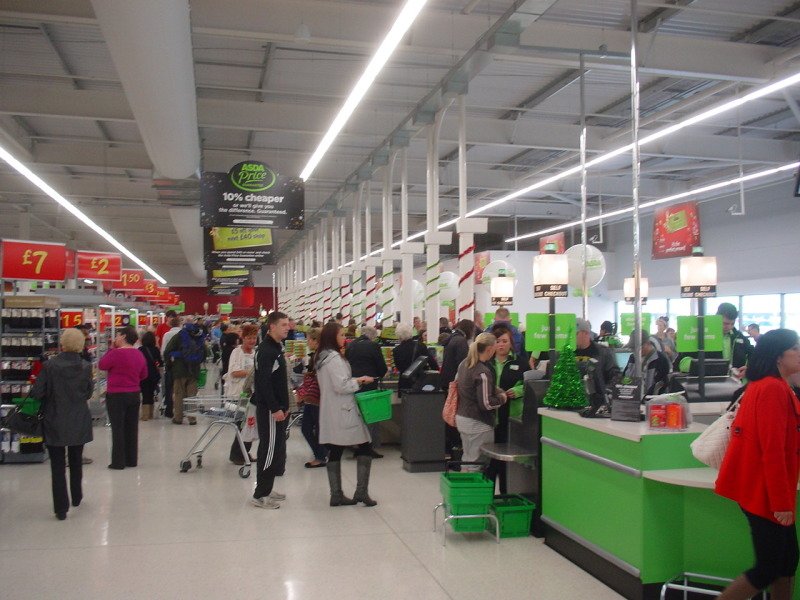
As one of Britain’s major grocers, Asda continues to position itself as a price leader, frequently ranked as the lowest-priced supermarket for a full weekly shop in independent comparisons by Which? and The Grocer.
With household finances still fragile — particularly among the young and the least affluent — the competitive battle on price is no longer simply about market share. It is about economic resilience at community level.
The Verdict
The headline suggests improvement. The detail tells a tougher truth.
2026 may have begun with steadier inflation and marginal gains in disposable income. But for younger households and the lowest earners, the recovery remains uneven — and incomplete.
The Income Tracker does not just measure spending power. It reveals who is still waiting for relief.