
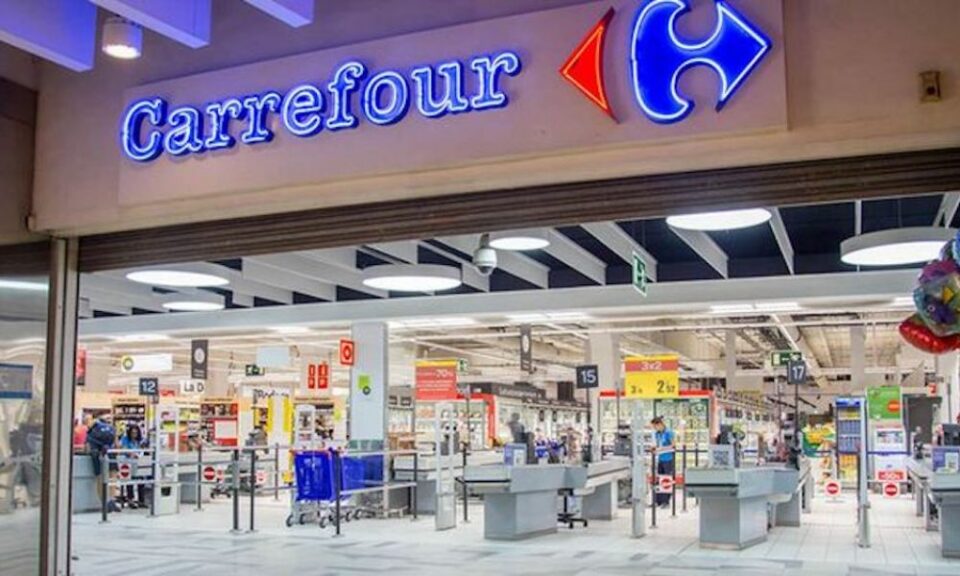
Carrefour occupies a unique place in global retail history. Long before omnichannel strategies and digital-first grocery platforms became industry buzzwords, Carrefour helped define the very concept of large-scale hypermarket shopping. Its model—vast stores combining food, clothing, electronics, and household goods under one roof—once symbolized modern consumerism across Europe and beyond. For decades, it represented convenience through scale, bringing everything a household needed into a single destination.
Today, however, that model is under sustained pressure. The grocery industry has shifted toward convenience, speed, digital integration, and price competitiveness. Shoppers are less willing to spend long periods in oversized stores, and more inclined to prioritize efficiency and value. In this changing environment, Carrefour is not simply competing with other supermarkets; it is rethinking what its identity should be in the twenty-first century.
The company operates across a wide range of markets, each with its own consumer habits, regulatory environments, and competitive pressures. This geographic diversity has historically been a strength, allowing Carrefour to scale its expertise while adapting to local conditions. Yet it also creates complexity. Managing such a broad footprint requires constant coordination between global strategy and local execution.
One of the most significant structural shifts affecting Carrefour is the decline of the traditional hypermarket format. Once the centerpiece of retail expansion, large-format stores are increasingly seen as less convenient than smaller neighborhood outlets or digital shopping platforms. Consumers want faster trips, easier navigation, and more tailored product selections. As a result, Carrefour has been gradually reshaping its portfolio toward smaller stores and urban formats.
This shift reflects broader changes in consumer lifestyles. Urbanization continues to concentrate populations in cities where space is limited and time is valuable. In such environments, compact stores and delivery services often outperform destination shopping centers. Carrefour’s response has been to develop convenience-oriented formats that bring essential products closer to consumers, reducing reliance on large, out-of-town retail complexes.
At the same time, digital transformation has become central to the company’s strategy. Online grocery shopping is no longer a niche segment; it is a core part of the retail ecosystem. Customers expect to be able to browse, order, and receive groceries through multiple channels seamlessly. Carrefour has invested heavily in building e-commerce platforms and integrating them with physical store operations.
The goal is not to replace stores but to connect them. Modern retail increasingly operates as a network of fulfillment nodes rather than isolated shopping destinations. Stores serve as picking centers for online orders, while warehouses and logistics hubs support both delivery and in-store replenishment. Carrefour’s challenge is to optimize this system across multiple countries with varying infrastructure and consumer expectations.
Data has become one of the most valuable assets in this transformation. Every transaction, search, and delivery provides insights into consumer behavior. By analyzing these patterns, Carrefour can improve inventory management, personalize promotions, and reduce waste. Advanced analytics also help anticipate demand fluctuations, which is particularly important in fresh food categories where timing and availability are critical.
Artificial intelligence is increasingly embedded in these processes. Forecasting demand for thousands of products across hundreds of locations is a complex task that benefits from machine learning systems capable of identifying patterns beyond human observation. These technologies are helping Carrefour improve efficiency, reduce excess stock, and better align supply with demand.
Pricing remains another central battleground. European grocery markets are highly competitive, with discount chains exerting significant pressure on traditional retailers. Consumers have become more price-sensitive, particularly in periods of economic uncertainty. Carrefour must therefore balance competitive pricing with profitability, a challenge that requires constant optimization of sourcing, logistics, and product mix.
Private-label products play an important role in this strategy. By offering in-house brands, Carrefour can control costs, differentiate its assortment, and strengthen customer loyalty. These products often span multiple tiers, from budget-friendly essentials to premium offerings, allowing the company to serve a wide range of consumer segments within a single retail ecosystem.
Sustainability has also become a defining priority. European consumers and regulators increasingly expect retailers to reduce environmental impact across their operations. This includes efforts to lower carbon emissions, minimize packaging waste, improve energy efficiency, and reduce food waste throughout the supply chain. For Carrefour, sustainability is no longer a peripheral initiative; it is a central component of corporate strategy and brand identity.
Supply chain resilience has taken on new importance in recent years. Global disruptions have exposed vulnerabilities in logistics networks, prompting retailers to rethink sourcing strategies and inventory practices. Carrefour operates in a highly interconnected system where efficiency and reliability must coexist. Maintaining consistent product availability across diverse markets requires both technological investment and operational flexibility.
Competition in the European grocery sector is intense and multifaceted. Discount retailers continue to gain market share, while regional chains and online platforms challenge established players. In this environment, differentiation is increasingly difficult. Carrefour’s advantage lies in its scale, brand recognition, and deep market knowledge across multiple countries.
Yet scale alone is no longer sufficient. Modern retail success depends on agility—how quickly a company can respond to shifting consumer behavior, technological disruption, and competitive pressure. Carrefour’s ongoing transformation reflects an effort to become more flexible while retaining the benefits of its size.
Customer loyalty is another critical focus area. In a fragmented retail environment, retaining shoppers is as important as attracting them. Loyalty programs, personalized promotions, and data-driven marketing are becoming essential tools for engagement. These systems allow Carrefour to better understand its customers and deliver more relevant offers across channels.
The role of physical stores continues to evolve. Rather than serving solely as points of sale, they increasingly function as experience centers and logistical nodes. Some locations emphasize fresh food and convenience, while others serve as fulfillment hubs for online orders. This hybrid model reflects the broader shift toward omnichannel retailing.
Looking forward, Carrefour faces a complex but defining challenge: how to modernize without losing the scale advantages that made it successful. The company must navigate between its legacy as a hypermarket pioneer and its future as a digitally integrated, multi-format retailer.
The next phase of Carrefour’s evolution will likely be shaped by its ability to simplify operations, accelerate digital adoption, and align its store network with changing consumer expectations. While the hypermarket era may be fading, the company’s role in shaping modern retail remains significant.
In a rapidly changing industry, Carrefour’s transformation is not just about survival—it is about repositioning a legacy retailer for a world where convenience, data, and flexibility define success. The outcome of that transformation will help determine what large-scale grocery retail looks like in Europe for years to come.
