

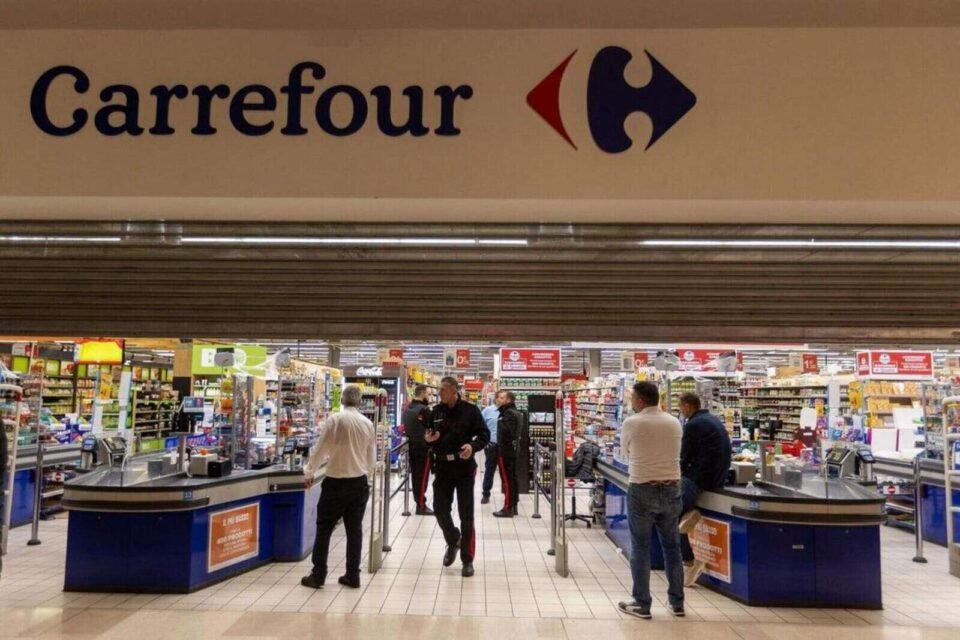
A French Giant at a Crossroads
Carrefour has been a cornerstone of European grocery retail for decades. From bustling hypermarkets in Paris to neighbourhood supermarkets in smaller towns, Carrefour has long been synonymous with accessibility, variety, and French retail culture.
Yet today, the company faces a challenge that transcends geography: the rise of discounters such as Aldi and Lidl. These German chains have reshaped consumer expectations across Europe, offering low prices, streamlined shopping experiences, and aggressive private-label strategies that have attracted millions of price-conscious shoppers.
Carrefour’s task is clear: adapt or risk losing relevance in a highly competitive market.
The Discount Threat
Discount chains have steadily eroded the market share of traditional retailers. Their formula is deceptively simple: fewer SKUs, higher efficiency, leaner operations, and strong private-label offerings.
For Carrefour, this is particularly problematic in countries like France, Spain, and Italy, where price sensitivity remains high. Traditional hypermarkets, while offering wide product ranges, cannot compete solely on cost.
In response, Carrefour has accelerated investments in private-label products and digital platforms, seeking to combine quality with affordability.
Embracing Digital Transformation
Carrefour has recognised that digital capabilities are no longer optional. Online grocery sales, click-and-collect services, and home delivery have become critical, especially after the pandemic accelerated consumer adoption of e-commerce.
The company has launched apps and digital loyalty programmes to better understand customer behaviour, personalise promotions, and increase basket sizes. These initiatives aim to integrate physical and digital retail, creating a seamless omnichannel experience.
Carrefour is effectively transforming its hypermarkets into hybrid hubs: shopping, distribution, and experience centres rolled into one.
Private Labels: Quality Meets Affordability
Private-label products have become Carrefour’s strategic weapon against discount rivals. Unlike discounters that rely heavily on low-cost lines, Carrefour has developed tiered private-label offerings ranging from value to premium organic ranges.
This allows the company to appeal to diverse consumer segments: those seeking cost savings without sacrificing quality, and those willing to pay more for premium products.
By differentiating its private-label strategy, Carrefour is attempting to retain traditional shoppers while attracting new audiences increasingly drawn to discounters.
Supply Chain Optimisation
Operational efficiency is critical in European retail, where margins are thin. Carrefour has invested heavily in logistics and inventory management to reduce costs and improve responsiveness.
Automation, centralised warehouses, and data-driven inventory systems help ensure shelves remain stocked with fresh products while minimising waste.
The ability to optimise supply chains not only supports competitive pricing but also enables Carrefour to respond swiftly to market trends, seasonal shifts, and local preferences.
Sustainability and Consumer Perception
European consumers are increasingly concerned about sustainability. Carrefour has made it a core part of its strategy, emphasising local sourcing, organic products, and environmentally friendly packaging.
This aligns with Carrefour’s branding as a retailer that supports communities and ethical practices. In an era where consumers weigh sustainability alongside price, this approach enhances the company’s appeal — especially compared with discounters, who may struggle to combine low prices with eco-conscious initiatives.
The Competitive Landscape
Carrefour’s European competitors are multifaceted:
-
Traditional hypermarkets and supermarkets, including E.Leclerc in France, Metro in Germany, and Coop in Switzerland, emphasise range, freshness, and service.
-
Discount chains, particularly Aldi and Lidl, excel in efficiency and price leadership.
-
Online platforms, like Amazon Fresh and regional grocery apps, offer convenience and rapid delivery.
Navigating this landscape requires Carrefour to maintain its identity as a full-service retailer while remaining agile enough to respond to discount-driven pressures.
Adapting Store Formats
Carrefour is experimenting with store formats to stay relevant. Urban convenience stores, smaller neighbourhood outlets, and express formats aim to capture foot traffic in cities where large hypermarkets are less practical.
These adaptations demonstrate Carrefour’s willingness to innovate beyond traditional hypermarket models, integrating proximity, convenience, and digital tools into the shopping experience.
Profit Margins Under Pressure
Despite its efforts, Carrefour faces persistent margin pressures. Labour costs, energy expenses, regulatory constraints, and intense price competition limit profitability.
Investments in digital transformation and supply chain efficiency are crucial to protecting margins. Carrefour must balance growth initiatives with careful cost management to remain financially resilient.
A Cultural Advantage
Carrefour’s longevity in Europe provides a unique cultural edge. Consumers familiar with Carrefour trust its quality, branding, and community involvement.
Leveraging this trust is a subtle yet powerful weapon against discounters. While Aldi and Lidl compete aggressively on price, Carrefour can differentiate on brand loyalty, product quality, and customer experience.
The Road Ahead
Carrefour’s journey reflects the broader evolution of European retail. Supermarkets can no longer rely solely on physical presence or pricing. Success now requires a combination of:
-
Technological innovation
-
Supply chain efficiency
-
Private-label strategy
-
Sustainability initiatives
-
Customer-centric digital experiences
The company’s ability to integrate these dimensions will determine whether it can maintain market leadership and outpace discounters.
Conclusion: The Balancing Act
Carrefour stands at a crossroads. Its European footprint remains substantial, but the rise of efficient discount chains and digital competitors requires strategic agility.
By investing in private labels, digital channels, sustainable sourcing, and urban store formats, Carrefour is attempting to reconcile the old and new — the classic hypermarket model with the demands of modern consumers.
Whether this strategy will allow Carrefour to thrive amid intensifying competition remains uncertain. One thing is clear: the company must continuously innovate while preserving the brand equity that has made it a household name across Europe for decades.
The stakes are high, and the coming years will reveal whether Carrefour can transform from a traditional European retail giant into a modern, omnichannel powerhouse.