

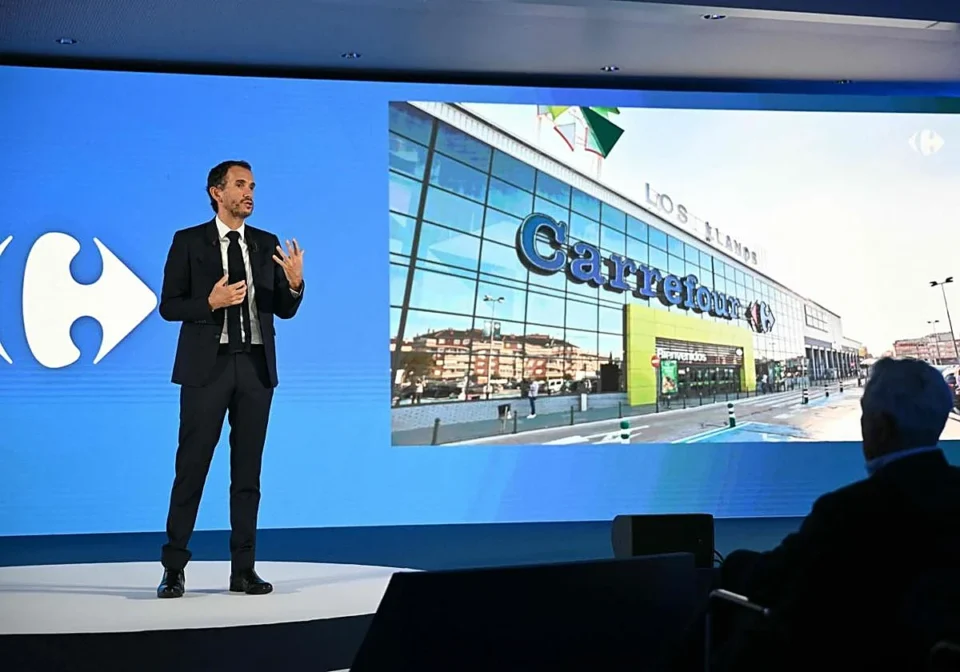
By focusing on proximity retail and reshaping its European portfolio, Carrefour is undertaking one of its most significant transformations in recent years. The French retail giant has announced plans to open more than 750 small-format stores across Spain, signalling a decisive move away from its traditional hypermarket dominance towards convenience-led growth.
This shift reflects not only changing consumer behaviour but also intensifying competition, particularly from agile domestic players such as Mercadona.
A Move Towards Proximity Retail
Carrefour’s expansion of its Carrefour Express format highlights a clear strategic direction: being closer to the consumer. Urbanisation, time-poor shoppers, and the demand for quick, localised shopping experiences have all contributed to the rise of neighbourhood stores.
Rather than relying on large, out-of-town hypermarkets, Carrefour is now prioritising:
- High-density urban locations
- Residential neighbourhoods
- Transport hubs and convenience-driven footfall areas
This model allows for faster shopping trips, reduced operational complexity, and better alignment with modern consumption habits.
Responding to Market Pressure
Spain has become one of the most competitive grocery markets in Europe. The dominance of Mercadona, alongside strong performances from regional and discount operators, has forced international players to rethink their positioning.
Carrefour’s decision to accelerate small-store openings is widely seen as a response to:
- Loss of market share in large-format retail
- Increased price sensitivity among consumers
- The growing importance of private label and efficiency
By expanding its convenience footprint, Carrefour aims to capture more frequent, smaller basket purchases—an area where traditional hypermarkets struggle.
Portfolio Reshuffling Across Europe
The Spanish expansion is part of a broader strategic overhaul across Carrefour’s European operations. The company has been actively reshaping its portfolio through:
- Selective acquisitions
- Partnerships in key markets
- Divestments of underperforming assets
This approach reflects a more disciplined capital allocation strategy, with Carrefour focusing on markets and formats that deliver consistent returns.
The emphasis is no longer on scale alone, but on profitability, agility, and local relevance.
Digital Integration and Growth Targets
Alongside physical expansion, Carrefour continues to invest in its digital ecosystem. The company is targeting steady online growth, integrating e-commerce with its convenience network to create a seamless omnichannel experience.
Smaller stores are expected to play a dual role:
- Serving walk-in customers
- Acting as micro-fulfilment hubs for online orders
This hybrid model strengthens last-mile delivery capabilities while keeping costs under control.
A Structural Shift in Retail
Carrefour’s strategy reflects a wider transformation across the European grocery sector. The era of the hypermarket as the dominant format is gradually giving way to more flexible, localised retail solutions.
For Carrefour, the success of this transition will depend on execution—location strategy, pricing competitiveness, and supply chain efficiency will all be critical.
What is clear, however, is that the company is no longer defending its traditional model. Instead, it is actively redefining it.
Conclusion
Carrefour’s plan to open over 750 convenience stores in Spain is more than an expansion—it is a statement of intent. In a market shaped by proximity, price sensitivity, and operational efficiency, the retailer is repositioning itself for long-term relevance.
As competition intensifies, particularly from domestic leaders like Mercadona, Carrefour’s ability to adapt could determine whether it regains momentum—or continues to play catch-up in one of Europe’s most dynamic grocery markets.