
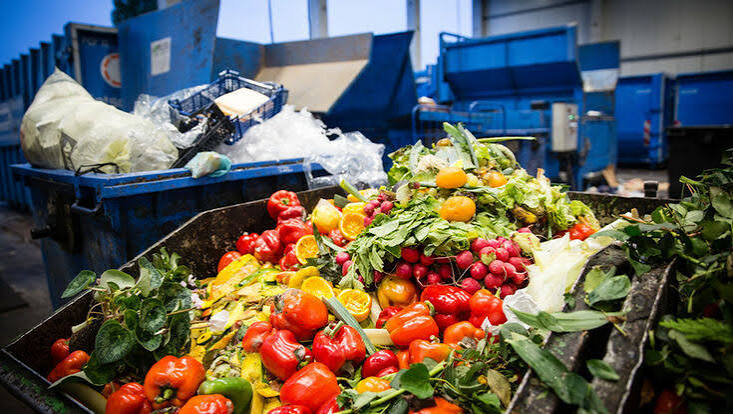
A new collaboration turns unwanted berries and carrots into a commercial product, raising questions about how retailers and manufacturers value surplus food.
For years, the food industry’s response to surplus produce has largely followed a familiar pattern: reduce prices, donate what can be distributed quickly and dispose of what remains. But a new British initiative suggests there may be another opportunity – turning food that cannot easily be sold or donated into entirely new products.
Felix, the UK food rescue charity, has worked with B.fresh, BerryWorld and Strawsons to produce a limited run of 20,000 Berry Heroes smoothies using surplus berries and carrots. More than eight tonnes of produce have been rescued through the project.
The interesting development is not simply the number of bottles produced. It is the business model behind them.
Some fruit and vegetables are perfectly usable but do not fit conventional retail specifications. Appearance, size, excess production and processing limitations can all make otherwise valuable ingredients difficult to sell through traditional channels.
The smoothie project demonstrates how manufacturers can work with growers and food rescue organisations to identify alternative uses before produce becomes waste.
A different way of looking at surplus
For supermarkets, this raises an important commercial question. Could products made from surplus ingredients become a more established category rather than remaining occasional sustainability initiatives?
Retailers already have sophisticated systems for managing markdowns and donations. However, opportunities further upstream could involve manufacturers, processors and suppliers working together to create products from ingredients that would otherwise have little commercial value.
There are challenges. Processing costs, food safety, consistency, packaging and consumer acceptance must all be considered. A successful pilot does not automatically translate into a profitable national product.
Nevertheless, the direction is interesting. Food waste is increasingly becoming a supply-chain issue rather than simply a store-level problem.
The opportunity beyond the supermarket shelf
The next step could involve retailers identifying surplus streams earlier and connecting them with manufacturers capable of turning them into ingredients, drinks and prepared foods.
The real opportunity is to make better use of food before it becomes waste. If this approach can be scaled commercially, the industry may discover that some of its most overlooked raw materials are already sitting within its existing supply chain.