

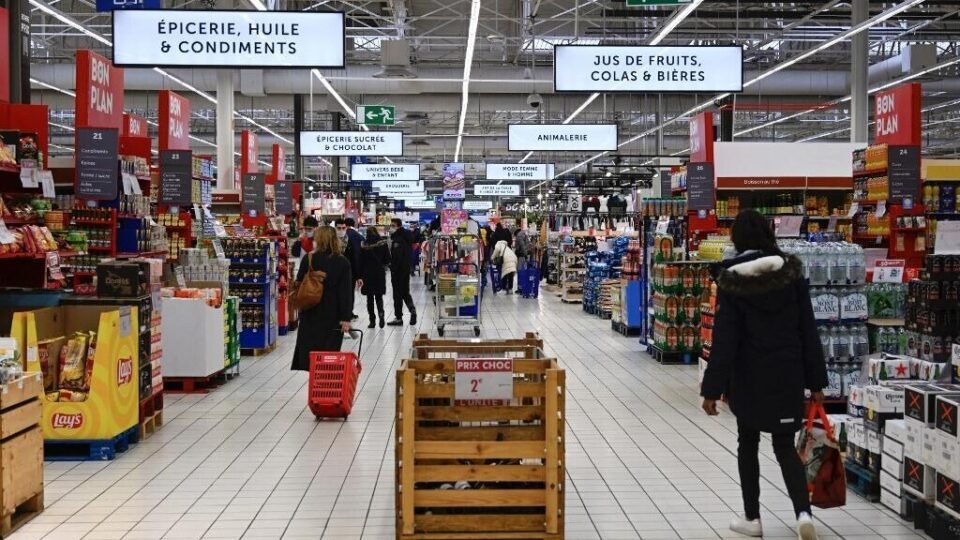
France’s supermarket sector is entering 2026 in a cautiously stabilised position. Inflation has eased from its peak, but consumer confidence remains fragile. The French shopper has always been price aware, yet the cost-of-living crisis has sharpened that instinct into a defining purchasing behaviour.
At the centre of the market stands Carrefour, navigating structural transformation. Hypermarkets, once the backbone of French retail dominance, are evolving. While still relevant, growth momentum is shifting toward proximity formats and franchised convenience stores embedded in urban neighbourhoods. Smaller baskets, more frequent visits, and top-up shopping are increasingly common.
Competition remains intense. Retailers operate under relentless pressure from price comparison platforms and consumer associations. Promotional mechanics have become more strategic, moving away from blanket discounting towards targeted loyalty incentives. Data analytics now play a crucial role in pricing, stock management and personalised offers.
Private label penetration continues to rise. French consumers, traditionally loyal to national brands, have grown more comfortable substituting with retailer-owned ranges—especially in staples. However, premium private labels are also gaining traction, offering an affordable indulgence within constrained budgets.
Sustainability remains part of the national conversation. French retailers are under regulatory and cultural pressure to reduce food waste and plastic use. Yet purchasing decisions still prioritise affordability over environmental messaging.
Looking ahead, the French market appears stable but not expansive. Efficiency, margin protection and operational optimisation will define the next chapter rather than aggressive footprint growth.