
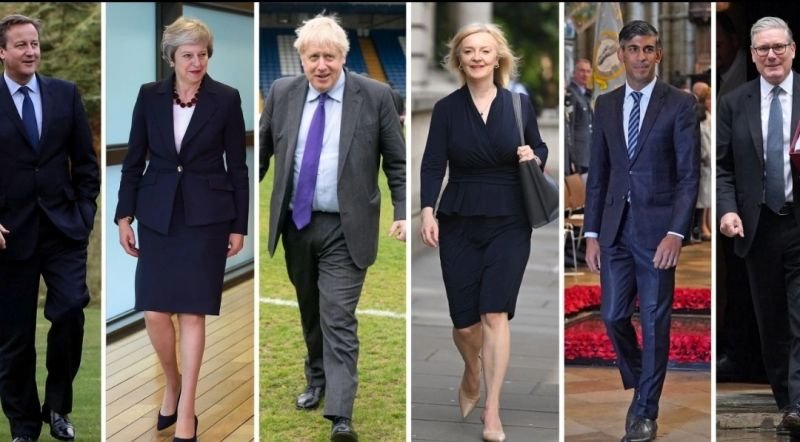
Frequent Leadership Changes and Economic Confidence: What the UK Experience Reveals
Over the past decade, the United Kingdom has seen an unusually high turnover of political leadership, prompting debate about whether frequent changes at the top of government are a sign of underlying economic instability or a contributing factor to it.
Between 2016 and 2026, the UK has experienced multiple prime ministers and several shifts in governing leadership direction. This rapid succession has raised questions among economists, businesses, and investors about the relationship between political continuity and economic performance.
Political Stability and Economic Confidence
In general, stable political leadership is considered an important factor in maintaining economic confidence. Governments set long-term policy on taxation, trade, regulation, and public spending. When leadership changes frequently, those policies may shift direction, creating uncertainty for businesses and investors.
Uncertainty does not necessarily mean economic decline, but it can influence decision-making. Companies may delay investment, hiring, or expansion plans if they are unsure about future policy conditions.
Why Leadership Changes Happen
Frequent changes in leadership can occur for several reasons, and are not always directly linked to economic performance alone. In parliamentary systems like the UK, leaders may change due to internal party pressures, election results, political disputes, or loss of parliamentary support.
In the UK’s case, a combination of factors has contributed over the past decade, including divisions within political parties, major national debates such as Brexit, and shifting public expectations during periods of economic pressure.
Economic Challenges and Political Pressure
The UK economy has faced a range of challenges in recent years, including slow productivity growth, inflationary pressures, global supply chain disruptions, and the long-term economic adjustments following Brexit.
Periods of economic difficulty often increase political pressure on governments. When voters feel economic conditions are not improving, political accountability tends to rise, and leadership changes can become more likely.
The Feedback Loop Between Politics and Economy
Economists often describe a feedback loop between political stability and economic performance. Weak economic conditions can increase political instability, while political instability can in turn make economic recovery more difficult.
However, it is important to note that leadership turnover alone does not determine economic health. Countries can experience frequent political change while maintaining strong economic fundamentals, depending on institutions, central bank independence, and market resilience.
Investor Perspective
From a financial markets perspective, consistency in policy is often valued more than the identity of individual leaders. Sudden shifts in fiscal strategy, tax policy, or regulatory frameworks can affect investor confidence more than leadership changes themselves.
For the UK, global investors continue to focus on broader indicators such as inflation trends, labour market strength, interest rates, and trade relationships, alongside political developments.
Frequent leadership changes can sometimes signal political and economic stress, but they are not a definitive measure of economic weakness. Instead, they often reflect a complex interaction between public expectations, institutional structures, and external economic pressures.
In the UK context, the past decade of leadership turnover highlights the challenges of governing during periods of rapid economic and political change, rather than serving as a simple indicator of economic decline.
Ultimately, economic strength depends on a wider set of factors than political stability alone, even though the two are closely connected.