

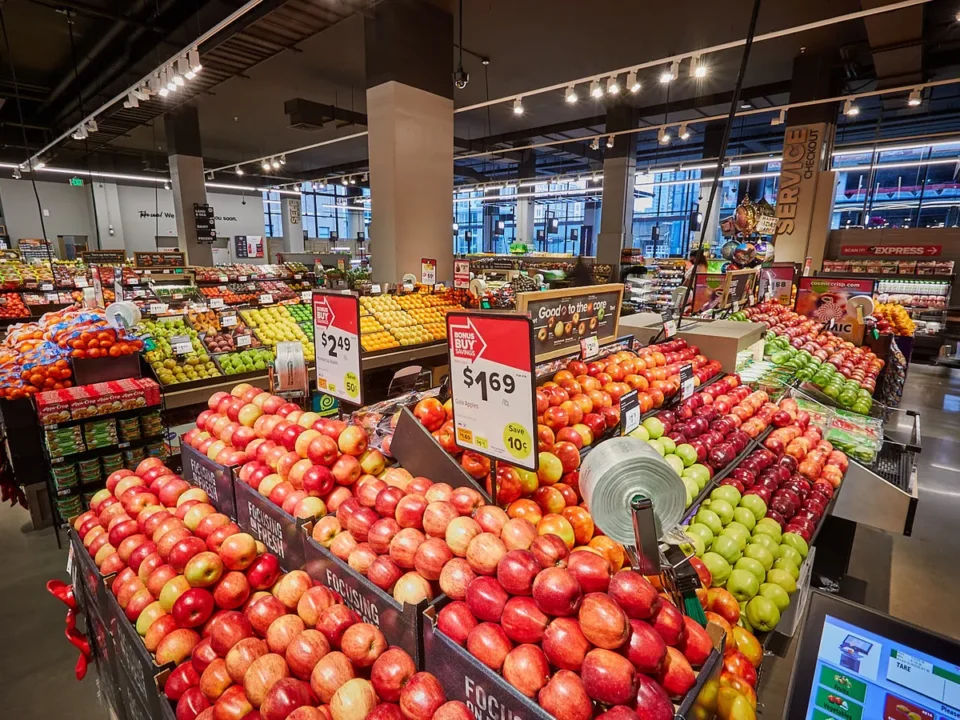
Fresh produce has long occupied a paradoxical position in supermarket retail. It is both a traffic driver and a margin challenge, essential to store image yet highly vulnerable to inflation, waste and supply disruption. As industry forecasts point to higher fresh produce prices in 2026 — alongside modest growth in total sales value — retailers and suppliers are being forced to rethink how fruit and vegetables are priced, sourced and positioned.
What appears, at first glance, to be a simple inflation story is in fact a complex recalibration of consumer behaviour, supply economics and retail strategy.
Price Growth Without Volume Growth
The central forecast for 2026 is clear: fresh produce sales will grow in value, but not necessarily in volume.
Rising prices are expected to lift overall revenue, even as unit sales remain flat or decline slightly. This reflects a broader trend across food retail, but it is particularly acute in produce due to:
-
Climate-related supply volatility
-
Higher labour costs in harvesting and packing
-
Increased transport and energy expenses
-
Stricter sustainability and compliance standards
For retailers, this creates a delicate balancing act. Fresh produce departments are highly visible and strongly associated with value perception. Price increases that appear excessive risk damaging store credibility, even if margins remain tight.
Climate Change Becomes a Commercial Factor
One of the most significant drivers behind produce price pressure is climate instability.
Droughts, floods, heatwaves and unseasonal weather patterns have disrupted yields across multiple growing regions simultaneously. Unlike manufactured goods, produce cannot simply be rerouted or stockpiled indefinitely.
As a result, retailers face:
-
Greater price volatility
-
Shorter planning horizons
-
Increased reliance on alternative origins
-
Higher rejection rates due to quality inconsistencies
In 2026, climate resilience is no longer a sustainability talking point; it is a commercial necessity. Retailers that fail to diversify sourcing or invest in long-term grower partnerships will face repeated supply shocks.
The Consumer Shift: Less Volume, Higher Expectations
Despite higher prices, consumers have not abandoned fresh produce. Instead, they are becoming more selective.
Shoppers are buying:
-
Smaller quantities
-
Fewer impulse items
-
More seasonal products
-
Items with clearer value justification
Health awareness continues to support demand for fresh fruit and vegetables, but price sensitivity is sharper. Consumers increasingly expect produce to justify its cost through freshness, origin, taste or health benefits.
This shift favours retailers that curate assortments intelligently rather than offering excessive choice. Clear communication around seasonality and provenance helps mitigate price resistance.
Private Label Moves into Produce
Traditionally, private label has had limited influence in fresh produce compared to ambient or chilled categories. That is changing.
Retailers are increasingly applying private-label discipline to produce through:
-
Exclusive grower partnerships
-
Retailer-branded organic and premium lines
-
Standardised packaging and labelling
-
Quality-controlled sourcing programmes
While fresh produce cannot be branded in the same way as processed foods, the retailer’s name now acts as a quality guarantee. This strengthens trust and allows supermarkets to defend price increases more effectively.
Margin Reality: Produce Is Not Getting Easier
There is a persistent misconception that higher prices automatically improve margins in fresh produce. In reality, cost inflation often outpaces retail price increases.
Shrink, waste and markdowns remain structural challenges. Higher prices also increase the financial impact of unsold stock. As a result, many retailers report that produce margins remain under pressure despite rising shelf prices.
To address this, supermarkets are investing in:
-
AI-driven demand forecasting
-
Dynamic pricing near expiry
-
Improved cold-chain logistics
-
Reduced SKU duplication
The produce department is becoming a testing ground for advanced retail technology — not because it is profitable, but because inefficiency is no longer affordable.
The Supplier Perspective: Survival Through Scale and Efficiency
For growers and exporters, 2026 presents a tougher operating environment.
Rising input costs, labour shortages and compliance requirements mean that only the most efficient producers can absorb retailer demands. Smaller growers face increasing pressure unless they cooperate through cooperatives or secure long-term contracts.
Export-oriented producers, particularly from North Africa, Latin America and parts of Asia, may find opportunities if they can offer:
-
Competitive pricing
-
Reliable volumes
-
Consistent quality
-
Full traceability and certification
Retailers are less tolerant of disruption and more willing to switch origins quickly if standards are not met.
Sustainability Costs Are Becoming Visible
Sustainability is no longer an optional extra in produce; it is embedded in cost structures.
Water management, reduced pesticide use, ethical labour standards and lower carbon transport all add cost. While consumers support these goals in principle, they are often reluctant to pay a visible premium.
This creates tension between policy ambition and retail reality. In 2026, the challenge for supermarkets will be to integrate sustainability quietly and efficiently — without turning produce into a luxury category.
Europe vs the US: Different Pressures, Same Direction
In Europe, regulatory pressure around sustainability, packaging and labour is stronger, pushing produce prices upward more visibly. In the US, labour shortages and logistics costs are the dominant factors.
Despite these differences, the direction is the same: fresh produce is becoming more expensive to grow, move and sell.
Retailers on both sides of the Atlantic are converging towards similar strategies — fewer SKUs, stronger supplier partnerships and greater use of data to manage risk.
Conclusion: A Category That Still Matters
Fresh produce remains central to the supermarket proposition. It defines store image, supports health narratives and drives footfall. Yet it is also one of the most complex and fragile categories in retail.
Higher prices in 2026 are unlikely to deter consumers entirely, but they will accelerate change. Retailers that treat produce as a strategic category — rather than a necessary headache — will be best positioned to protect both margins and reputation.
The message is clear: fresh produce may no longer be cheap, but it is still essential. The supermarkets that manage it best will shape consumer trust in an increasingly price-conscious world.