

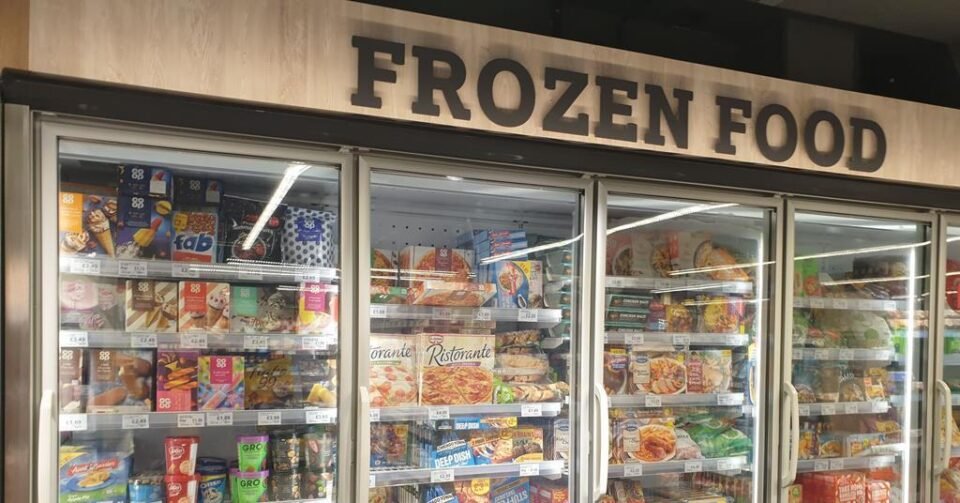
The global frozen food industry is experiencing one of its most dynamic growth periods in decades, driven by changing consumer habits, expanding retail channels, technological innovation and evolving product portfolios that are redefining how people shop, cook and eat. What once was seen as a basic convenience category is now a major force in the food industry—fuelled by urbanisation, busy lifestyles, health trends, and supply chain improvements. businessresearchinsights.com+2Fact.MR+2
Market Size & Growth Outlook: A Rapidly Expanding Sector
Across multiple industry forecasts, the frozen food market is projected to grow strongly through the next decade:
Valued at hundreds of billions of dollars globally today, the market is projected to nearly double in value by 2035. Fact.MR
Growth rates are anticipated in the mid‑5% to low‑7% CAGR range, indicating sustained expansion far beyond traditional food categories. businessresearchinsights.com+1
Some regions — particularly Asia Pacific, India and China — are posting stronger growth than more mature markets like Europe and North America. Fact.MR
This growth reflects a global appetite for convenient, long‑shelf‑life foods, increasing retail penetration and expanding cold‑chain infrastructure, especially in fast‑urbanising countries. Fact.MR
Why Frozen Foods Are Trending Now
1. Convenience Above All
Consumers around the world — especially in urban areas — increasingly seek quick meal solutions that fit hectic lifestyles. Busy professionals, dual‑income households and time‑pressed families are turning to frozen meals, snacks and ready‑to‑cook options that dramatically cut preparation time without sacrificing variety or quality. Fact.MR
2. Health and Nutrition Trends
Contrary to outdated perceptions, frozen foods are gaining traction among health‑conscious buyers. Modern freezing technologies preserve up to 95% of nutritional value, and categories like frozen fruits, vegetables and plant-based meals are growing as consumers look for clean labels and better‑for‑you alternatives. globalgrowthinsights.com
3. Premiumisation & Diversity
The industry is also evolving beyond basic items. There’s a noticeable shift toward premium, gourmet and ethnically diverse frozen foods, from artisanal ready meals to global snacks and upscale desserts. This diversification widens both appeal and profitability. businessresearchinsights.com
4. E‑Commerce & Digital Channels
Online grocery shopping continues to fuel frozen food sales. With improvements in temperature‑controlled delivery and cold chain logistics, frozen foods are now a major category on digital platforms, bridging convenience with modern retail habits. globalgrowthinsights.com
Regional Dynamics: Where Growth Is Happening Fastest
Asia Pacific on the Rise
Countries like India, China and Southeast Asia are leading market expansion. Rapid urbanisation, rising incomes and expanding refrigerated logistics in these regions are opening new opportunities for frozen food producers and retailers alike. Fact.MR
Europe and North America Remain Strong
While mature markets, Europe and North America still command large shares of total revenue due to well‑established consumption patterns and strong retail networks. Premium product demand and advanced freezing technologies also contribute to robust growth. grandviewresearch.com
Emerging Markets Show Promise
Latin America, the Middle East and parts of Africa are increasingly incorporating frozen foods into retail ecosystems — supported by improved infrastructure and growing supermarket penetration. Fact.MR
Innovation & Technology: Driving Quality and Efficiency
Technological advances are reshaping the industry:
Cutting‑Edge Freezing Methods
Techniques such as blast freezing and Individual Quick Freezing (IQF) help preserve texture, flavour and nutrients, boosting both product quality and customer satisfaction. grandviewresearch.com
Cold Chain Expansion
A sophisticated cold chain — from production to storage to delivery — is critical to industry growth. Investments in temperature‑controlled logistics enable broader distribution and reduce waste, especially in regions previously underserved by refrigerated infrastructure. Fact.MR
Sustainability Focus
Modern brands are prioritising eco‑friendly packaging, reduced food waste and energy‑efficient storage solutions — aligning with consumer expectations and global environmental goals. globalgrowthinsights.com
Challenges Facing the Industry
Despite its strong momentum, the frozen food sector faces hurdles:
Cold Chain Costs
Maintaining refrigerated logistics is expensive, and many manufacturers cite it as a barrier to expanding into new markets. businessresearchinsights.com
Consumer Perceptions
Some consumers still associate frozen foods with lower quality, even though innovations have vastly improved taste and nutrition. Overcoming these perceptions is key to broader adoption. globalgrowthinsights.com
Competitive Retail Environment
Price competition in grocery retail — particularly in staple categories — means brands must innovate constantly while managing margins. businessresearchinsights.com
Future Outlook: What’s Next for Frozen Foods
1. Health‑Driven Innovations
Plant‑based, gluten‑free and fortified frozen meals are expected to grow fast as health and wellness trends deepen.
2. Smart Supply Chains
AI‑enabled logistics, real‑time temperature monitoring and data‑driven inventory management will improve efficiency and reduce waste.
3. E‑Commerce Integration
Greater integration with online grocery platforms — including subscription models and micro‑fulfilment centres — will expand reach and convenience.
4. Global Retail Strategies
Major food brands and retailers will continue forming partnerships and launching new product lines to capture evolving consumer tastes.
Conclusion: A Market Poised for Continued Growth
The frozen food industry is no longer a niche convenience category—it’s a strategic growth engine in the global food economy. With sustained demand, expanding technology, and evolving consumer preferences, the sector is on track for decade‑long expansion, transforming how the world shops and eats.
Whether you are a manufacturer planning new product lines, a retailer expanding frozen aisles, or an investor eyeing long‑term consumer trends, frozen foods represent one of the most dynamic opportunities in the global food market today.