

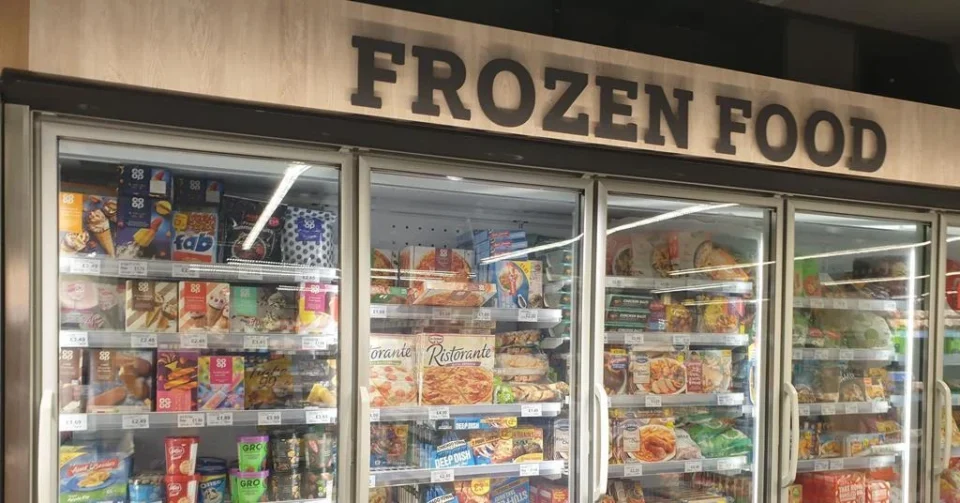
The frozen foods sector in Europe is entering a new phase of development marked by structural growth, technological progress and a changing consumer base. Once driven primarily by convenience and price sensitivity, the category is now shaped by innovation, sustainability, health awareness and evolving lifestyles. As retailers and manufacturers look ahead, frozen foods are increasingly viewed not as a fallback option but as a strategic pillar of the modern grocery market. This report explores the outlook for frozen food sales in Europe, the growing influence of Generation Z, and the role of advanced freezing technologies in shaping the future of the category.
Over the past decade, frozen foods have steadily increased their share of the European grocery basket. This growth accelerated during periods of economic uncertainty and social disruption, but unlike some temporary consumption trends, frozen foods have retained their momentum. Consumers have become more familiar with the quality, versatility and waste-reduction benefits of frozen products, integrating them into everyday meal planning rather than treating them as emergency or occasional purchases. As a result, frozen foods are now positioned for long-term growth rather than cyclical spikes.
Looking ahead, the forecast for frozen food sales in Europe remains positive. Growth is expected to continue at a steady pace, supported by demographic change, urbanisation and sustained pressure on household budgets. While growth rates may moderate compared with exceptional periods, the category is likely to outperform many traditional grocery segments. Value perception will remain a key driver, as frozen foods often provide a lower cost per portion and longer usability compared with fresh alternatives. At the same time, premiumisation within frozen ranges will support higher value sales, allowing retailers to balance volume growth with margin protection.
Regional dynamics will continue to shape performance across Europe. Northern and Western European markets, where frozen foods are already well established, are expected to see incremental growth driven by innovation, premium ranges and health-focused products. Southern and Eastern Europe, by contrast, are likely to experience faster expansion as consumer habits shift, freezer ownership increases and modern retail formats expand. These markets present significant opportunities for manufacturers willing to adapt products to local tastes and culinary traditions while leveraging the advantages of frozen preservation.
One of the most important factors influencing the future of frozen foods is generational change, particularly the rise of Generation Z as an independent consumer group. Born into a digital, fast-paced and socially conscious world, Gen Z approaches food differently from previous generations. Convenience remains important, but it is closely tied to values such as sustainability, transparency, authenticity and personal wellbeing. Frozen foods, once perceived as outdated by younger consumers, are increasingly being re-evaluated through this lens.
For Generation Z, frozen foods offer practical solutions that align with modern lifestyles. Many young adults live in smaller households, often in urban environments, with limited time and cooking facilities. Frozen products allow for flexible meal planning, portion control and reduced waste, all of which resonate strongly with this demographic. The ability to store food for longer periods without spoilage fits well with irregular schedules and budget management, particularly for students and early-career workers.
Health and wellness are central to Gen Z’s food choices, and this is reshaping frozen assortments. There is growing demand for frozen vegetables, fruit, grains and plant-based proteins that retain nutritional value while offering convenience. Unlike previous generations, Gen Z is less likely to associate frozen foods with heavy processing, particularly as brands communicate more clearly about ingredients, sourcing and production methods. Clean labels, recognisable ingredients and minimal additives are increasingly important, and frozen formats are well suited to preserving food without extensive chemical intervention.
Sustainability is another defining concern for Generation Z, and frozen foods are well positioned to benefit. Food waste reduction is a powerful argument in favour of frozen products, as freezing extends shelf life and allows consumers to use only what they need. When combined with responsible packaging and energy-efficient cold chains, frozen foods can appeal strongly to environmentally conscious shoppers. Brands that communicate these benefits effectively, using clear and credible messaging, are likely to build loyalty among younger consumers.
Digital engagement also plays a significant role in how Gen Z interacts with frozen foods. Social media platforms, recipe-sharing apps and online grocery services influence purchasing decisions and brand discovery. Frozen foods that are visually appealing, versatile and easy to prepare perform well in digital spaces, particularly when linked to quick recipes or lifestyle content. Retailers that integrate frozen ranges into online shopping journeys, personalised promotions and loyalty ecosystems will be better positioned to capture Gen Z demand.
Technological innovation is another critical driver shaping the future of frozen foods in Europe. Advances in freezing techniques have dramatically improved product quality, texture and nutritional retention, addressing many of the historical limitations associated with frozen products. Modern freezing is no longer about simple preservation; it is about maintaining freshness, flavour and structural integrity at a level that increasingly rivals fresh food.
One of the most significant developments is rapid freezing, often referred to as quick-freezing or flash-freezing. This technique freezes food at very low temperatures in a short period, creating smaller ice crystals within the product. Smaller crystals cause less damage to cell structure, resulting in better texture, taste and appearance when the food is thawed or cooked. This method is particularly effective for fruits, vegetables, seafood and premium ready meals, where quality perception is critical.
Individual quick freezing has become a standard technique for many frozen categories. By freezing items separately rather than in blocks, this method allows consumers to use only the quantity they need, further reducing waste and improving convenience. It also supports better portion control and flexibility, which are increasingly valued by modern households. From a retail perspective, this technique enhances product usability and repeat purchase rates.
Another emerging area is cryogenic freezing, which uses extremely cold gases such as liquid nitrogen or carbon dioxide to freeze food rapidly. This technology offers exceptional speed and precision, preserving delicate textures and flavours that were previously difficult to maintain in frozen form. While more costly than traditional methods, cryogenic freezing is gaining traction in premium segments, including seafood, bakery products and high-quality ready meals. As costs decrease and efficiency improves, wider adoption is expected.
Advances in packaging technology are also playing a crucial role. Improved barrier materials, vacuum sealing and modified atmosphere packaging help protect frozen foods from freezer burn and oxidation. At the same time, there is growing emphasis on recyclable and reduced-plastic packaging to address environmental concerns. Innovations such as paper-based frozen packaging, mono-material plastics and reusable containers are likely to become more common as sustainability expectations increase.
Cold chain technology has also evolved significantly, supporting the expansion of frozen foods across both physical and digital retail channels. Improved temperature monitoring, data tracking and logistics optimisation help ensure product integrity from production to consumer. This is particularly important as e-commerce and home delivery continue to grow. Reliable cold chains build trust in frozen products and enable retailers to expand their frozen assortments online without compromising quality.
Looking to the future, automation and artificial intelligence are expected to influence frozen food production and retailing. Automated freezing lines, quality control systems and demand forecasting tools can improve efficiency, reduce waste and support more responsive supply chains. For retailers, data-driven insights can inform assortment planning, pricing strategies and personalised promotions, ensuring frozen foods remain competitive and relevant.
From a product development perspective, the frozen category is likely to continue diversifying. Plant-based and flexitarian products will remain a major growth area, supported by younger consumers and environmental concerns. Ethnic and globally inspired flavours are expected to gain further traction, reflecting Europe’s increasingly diverse population and appetite for culinary exploration. At the same time, functional frozen foods, such as protein-rich meals, fortified vegetables and wellness-oriented snacks, are likely to expand as health awareness deepens.
The role of private label in frozen foods is also set to grow. Retailers are investing heavily in own-brand frozen ranges that combine quality, innovation and value. These ranges often allow faster adaptation to trends and closer alignment with retailer sustainability and pricing strategies. For consumers, private label frozen products increasingly match or exceed branded alternatives in quality, reinforcing trust and driving loyalty.
Despite its strong outlook, the frozen foods sector faces challenges. Energy costs, particularly related to freezing and cold storage, remain a concern, as does the environmental impact of refrigeration. Addressing these issues will require continued investment in energy-efficient equipment, renewable energy sources and smarter logistics. Regulatory pressures around sustainability and transparency are also likely to intensify, requiring ongoing adaptation from manufacturers and retailers alike.
In conclusion, frozen food sales in Europe are set to continue their upward trajectory, supported by favourable consumer trends, technological advancement and generational change. Generation Z is playing a pivotal role in redefining the category, bringing new expectations around sustainability, health and digital engagement. At the same time, advances in freezing and cold chain technology are transforming product quality and expanding the possibilities of what frozen foods can offer. As the category evolves, frozen foods are moving beyond their traditional role, emerging as a dynamic, innovative and essential part of the European food landscape. Retailers and manufacturers that embrace this evolution, invest in technology and align with changing consumer values will be best positioned to capture growth and shape the future of frozen foods in Europe.