
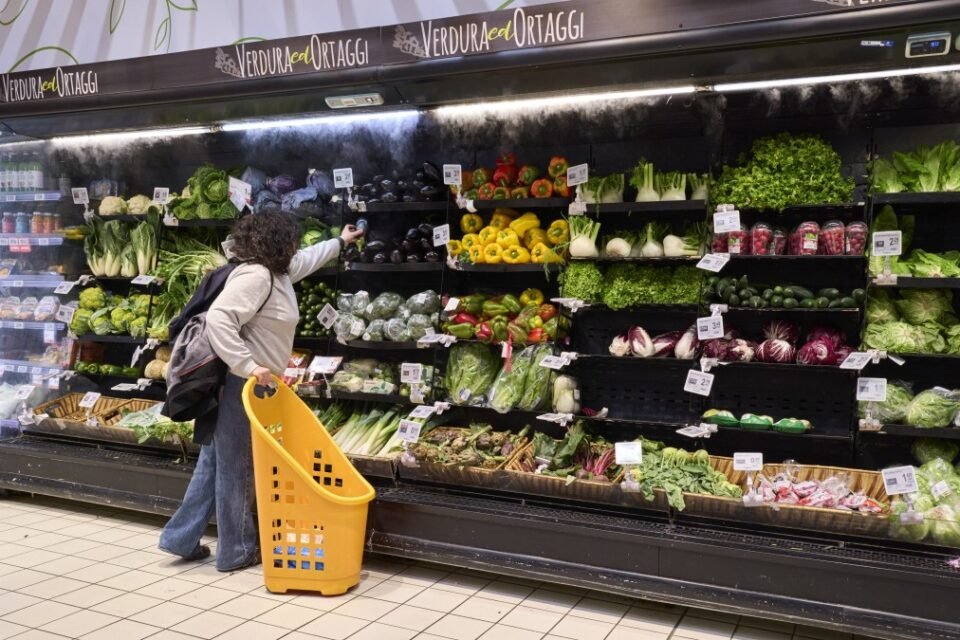
ROME — Italy’s largest supermarket operator is expanding customer services and strengthening store operations as the country enters one of its busiest travel and shopping periods of the year.
Conad, which operates thousands of stores across Italy, says it is focusing on maintaining widespread access to groceries and essential retail services as summer tourism gains momentum and domestic travel increases. The move reflects a broader effort by Italian retailers to adapt to changing consumer habits while responding to seasonal demand.
The supermarket group has indicated that stores across numerous regions will continue to provide extensive services, including grocery shopping, online ordering, click-and-collect options and selected ancillary services designed to improve convenience for customers.
Industry analysts say the summer period has become increasingly important for Italy’s supermarket sector, particularly as retailers compete for spending from both local consumers and millions of tourists visiting the country each year.
Retailers Face Changing Consumer Expectations
The Italian grocery market has undergone significant changes in recent years as consumers increasingly seek convenience, flexibility and digital shopping options.
While traditional in-store shopping remains dominant, supermarkets are investing heavily in technology that allows customers to place orders online, arrange pickup services and verify store availability through mobile applications.
For major chains such as Conad, maintaining a strong physical presence while expanding digital capabilities has become a central part of long-term strategy.
“The modern consumer expects access to multiple shopping channels,” said one retail analyst. “People want the option to visit a store, order online or collect purchases at a convenient time. Retailers that can provide all three are in a stronger position.”
Summer Tourism Drives Demand
Italy’s summer tourism season represents a major opportunity for supermarkets, particularly in coastal regions and popular cultural destinations.
As visitor numbers increase, retailers often experience higher demand for fresh produce, ready-made meals, beverages and convenience products. This seasonal surge requires careful planning to ensure stores remain adequately stocked while maintaining service standards.
Industry observers note that tourism-related spending has become an increasingly important component of supermarket revenue in many regions.
The challenge for retailers is balancing the needs of local residents with those of temporary visitors, particularly during peak travel periods when population levels can rise dramatically in certain areas.
Digital Services Continue to Expand
A key feature of the evolving supermarket landscape is the rapid growth of digital shopping tools.
Many retailers now allow customers to browse products online, compare prices and arrange delivery or pickup services. These technologies have become particularly important for busy families and consumers seeking greater convenience.
Conad’s continued emphasis on digital services reflects a broader transformation taking place across the European grocery industry. Retailers are investing in technology not only to improve customer experience but also to enhance operational efficiency and strengthen customer loyalty.
Competition Intensifies
Italy’s supermarket sector remains highly competitive, with major chains seeking new ways to attract and retain customers.
Retailers face pressure from discount operators, changing consumer preferences and ongoing economic uncertainty. As a result, companies are increasingly focused on service quality, convenience and customer experience as key differentiators.
Analysts expect investment in digital infrastructure, loyalty programmes and omnichannel retailing to continue throughout 2026 as supermarkets seek to strengthen their market positions.
Looking Ahead
As summer approaches, Italy’s supermarket operators are preparing for what is expected to be a busy season marked by increased travel, strong consumer demand and continued competition.
For shoppers, the expansion of services and greater emphasis on convenience may provide more flexibility in how they purchase everyday essentials. For retailers, however, the months ahead will represent a critical test of their ability to meet evolving customer expectations in an increasingly dynamic market.
With tourism recovering strongly and digital shopping becoming a permanent feature of consumer behaviour, Italy’s supermarket industry appears poised for another season of transformation and growth.