

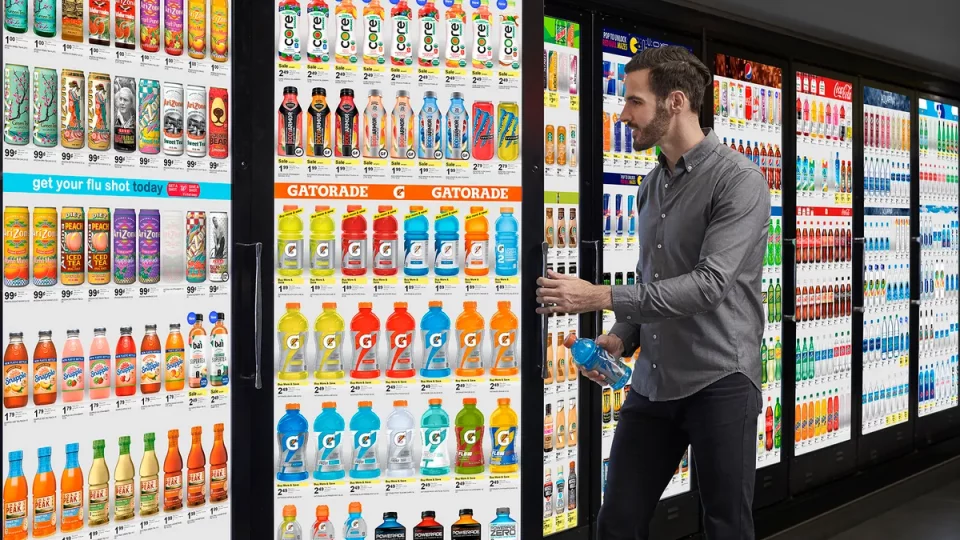
Kroger, one of the largest supermarket chains in the United States, has launched a network of smart fridges to support contactless grocery pickup, marking a significant step in the integration of technology and customer convenience. The initiative, revealed this week, is designed to meet growing consumer demand for safe, fast, and flexible shopping options, while also addressing logistical challenges associated with online grocery fulfilment.
The Concept of Smart Fridges
Kroger’s smart fridges are temperature-controlled lockers located at stores and partner locations, allowing customers to collect online orders without entering crowded aisles. Customers receive a unique code or QR scan on their mobile app, which unlocks the fridge containing their groceries.
Key features include:
-
Temperature Control – Ensures perishable items like dairy, meat, and fresh produce remain fresh.
-
Automated Notifications – Alerts customers when their order is ready and provides a secure pickup window.
-
Inventory Integration – Orders are automatically updated in Kroger’s system to prevent double booking.
-
Data Insights – Smart fridges collect data on pickup times, product turnover, and customer preferences, helping improve logistics and service quality.
This technology streamlines the pickup process, reduces human error, and provides a convenient option for time-pressed shoppers.
Meeting Evolving Consumer Expectations
The pandemic accelerated the adoption of contactless and online grocery solutions. Even as in-store shopping returns, consumers increasingly value convenience, safety, and speed. Smart fridges address these needs by offering:
-
Flexible Collection Times – Customers can pick up orders at times that suit them.
-
Minimal Contact – Reducing in-store interactions and wait times.
-
Secure Handling – Ensuring that orders remain intact and uncontaminated.
-
Convenience for Urban Shoppers – Locations near workplaces, transport hubs, and residential areas make it easier for customers to access groceries.
By improving convenience and reliability, Kroger strengthens customer loyalty and satisfaction.
Operational Benefits
Smart fridges also provide significant operational advantages:
-
Reduced Labour Pressure – Staff spend less time on manual order handover.
-
Optimised Inventory Management – Integration with the online system ensures stock availability and reduces errors.
-
Enhanced Data Analysis – Insights from pickup patterns help optimise staffing, stocking, and promotional strategies.
-
Lower In-Store Congestion – Encourages social distancing and reduces traffic in high-demand areas.
These efficiencies allow Kroger to allocate resources more effectively, focus on improving the in-store experience, and enhance overall service quality.
Technology and Logistics
Implementation of smart fridges involves a combination of hardware and software systems. Each unit is connected to Kroger’s digital platform, allowing for:
-
Real-time monitoring of temperature and stock levels
-
Automated customer notifications and pick-up scheduling
-
Secure digital access controls to prevent misuse
-
Integration with online orders, delivery, and loyalty programmes
Third-party logistics partners also assist with restocking and maintaining the units, ensuring consistent availability and reliability across locations.
Customer Experience and Convenience
For shoppers, the smart fridge concept provides several benefits:
-
Time Savings – Quick and easy access to groceries without waiting in line.
-
Order Accuracy – Reduces errors by automating handover.
-
Variety of Locations – Units placed in convenient spots outside traditional stores.
-
Contactless Interaction – Aligns with evolving hygiene and safety expectations.
Early feedback from pilot programs indicates high customer satisfaction, with users appreciating the combination of convenience, flexibility, and reliability.
Strategic Significance
Kroger’s initiative reflects a broader trend in the grocery sector: the convergence of physical stores and digital technology to provide seamless customer experiences. By deploying smart fridges, Kroger:
-
Strengthens its omnichannel strategy
-
Reduces operational costs while improving efficiency
-
Enhances its competitive position against both traditional grocers and online platforms like Instacart and Amazon Fresh
-
Positions itself as an innovator in customer-centric grocery solutions
Analysts note that technology-driven solutions like this are increasingly critical in retaining and attracting urban, tech-savvy shoppers.
Challenges and Considerations
Despite its advantages, the rollout of smart fridges presents challenges:
-
Maintenance and Reliability – Fridges must function consistently to maintain trust.
-
Customer Education – Shoppers need clear instructions for accessing and using units.
-
Space and Location Constraints – Urban environments may limit the availability of suitable locations.
-
Integration with Broader Supply Chain – Orders must align seamlessly with existing inventory and logistics systems.
Kroger is addressing these challenges with robust technical support, customer communication, and careful site selection.
Future Prospects
Kroger plans to expand the smart fridge network across additional metropolitan areas, integrating AI-driven predictive analytics to further optimise stocking, location placement, and pick-up scheduling. Potential enhancements include:
-
Integration with mobile apps for personalised product suggestions
-
Expansion into office and residential complexes
-
Automated inventory restocking notifications for suppliers
-
Cross-promotion with grocery subscriptions and meal kits
These developments indicate Kroger’s commitment to innovation and customer convenience in a rapidly evolving retail landscape.
Conclusion
Kroger’s introduction of smart fridges marks a significant advancement in the fusion of technology and grocery retail. By offering secure, convenient, and contactless pickup, the chain meets evolving consumer expectations while improving operational efficiency. As urbanisation, time pressures, and online shopping trends continue to shape grocery retail, Kroger’s smart fridge network provides a model for innovation, customer satisfaction, and future-ready retail operations. This initiative demonstrates that combining physical infrastructure with digital intelligence is essential for success in the modern supermarket sector.