
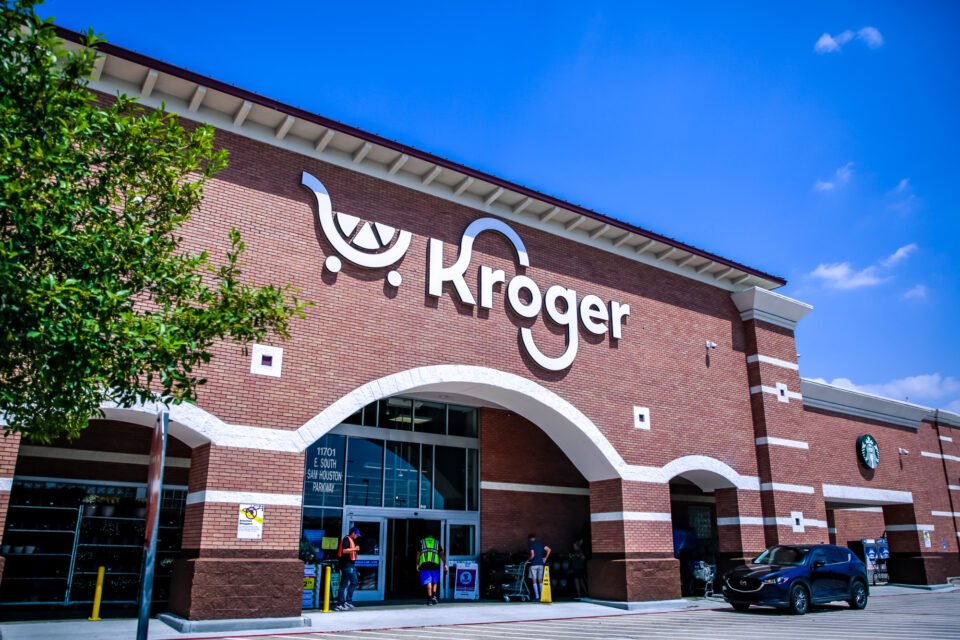
CINCINNATI, Ohio – Kroger is entering a new phase of its growth strategy following the collapse of its proposed merger with Albertsons, with the supermarket giant focusing on strengthening its core business, investing in stores and enhancing the customer experience across the United States.
The merger, which would have created one of the largest food retailers in the country, was abandoned after facing significant regulatory opposition. US authorities argued that combining the two supermarket chains could reduce competition in many local markets, potentially leading to higher prices and fewer choices for consumers.
With the deal now behind it, Kroger has made clear that its attention is firmly on growing the business independently. The company is increasing investment in store modernisation, digital shopping platforms, supply chain improvements and customer loyalty initiatives as it seeks to reinforce its position in the highly competitive American grocery market.
Kroger remains one of the largest supermarket operators in the United States, serving millions of customers each week through a diverse portfolio of supermarket banners, pharmacies, fuel centres and e-commerce services. The retailer has continued to report solid customer demand despite ongoing economic uncertainty and changing consumer spending habits.
A key priority for Kroger is strengthening its value proposition. As inflation has eased, consumers remain highly price-conscious, prompting supermarkets across the country to compete aggressively through promotions, loyalty programmes and expanded private-label offerings.
The retailer has continued to invest in its own-brand products, which have become increasingly popular with shoppers seeking quality at competitive prices. Private-label ranges also provide supermarkets with stronger margins while helping differentiate their product assortment from competitors.
Technology remains another major area of investment. Kroger is expanding the use of artificial intelligence, advanced data analytics and automation throughout its operations. These tools support inventory management, demand forecasting and personalised marketing, enabling the retailer to improve efficiency while delivering a better shopping experience.
Digital grocery services also continue to grow. Kroger has expanded its home delivery and click-and-collect operations, responding to consumers who increasingly expect flexible shopping options. Investment in automated fulfilment centres and improved logistics is helping the company process online orders more efficiently.
Competition within the US grocery sector remains intense. Walmart continues to dominate food retailing through its combination of low prices and nationwide scale, while Costco, Aldi, Trader Joe’s and regional supermarket chains continue to attract shoppers with distinctive value propositions.
Industry analysts believe Kroger’s decision to concentrate on organic growth could ultimately strengthen the business. Rather than integrating another major retailer, management can now devote resources to improving existing operations, accelerating innovation and responding more quickly to changing market conditions.
The company also continues to invest in employee training, sustainability initiatives and supply chain resilience. These programmes are designed to improve long-term performance while supporting reliable product availability across its nationwide network.
Although the proposed merger attracted considerable attention, Kroger’s long-term strategy extends well beyond acquisitions. The retailer’s future growth will depend on its ability to combine competitive pricing with technology, operational efficiency and a strong customer experience.
As the American grocery market continues to evolve, Kroger is positioning itself for independent growth in an environment where digital innovation, convenience and value increasingly determine consumer loyalty. The company believes that continued investment in its people, stores and technology will enable it to remain one of the leading forces in US food retailing for years to come.