

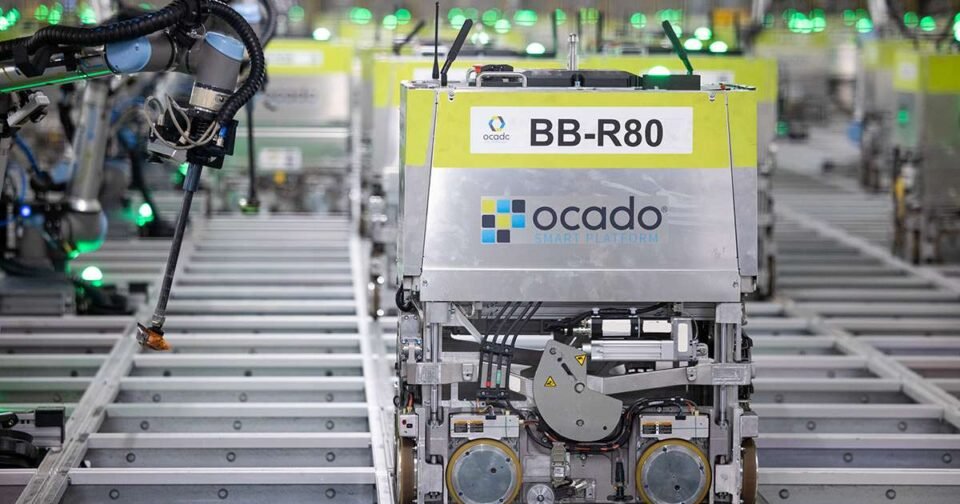
The decision by a leading British grocery technology provider to end exclusive partnerships in the United States marks a significant shift in global retail strategy. No longer tied to a single major player, the company is repositioning itself as a neutral technology supplier to supermarkets worldwide.
This move reflects a broader realisation: automation and fulfilment technology must scale across markets to remain viable. Exclusivity limits growth, innovation and adaptability.
For retailers, the change opens new opportunities — but also intensifies competition, as cutting-edge automation becomes more widely available.
8. Electronic Shelf Labels: Small Screens, Big Power
Electronic shelf labels may appear minor, but their impact on supermarket operations is profound. Across Europe, retailers are rolling out digital pricing systems that allow instant updates, dynamic promotions and improved pricing accuracy.
The technology reduces labour costs and pricing errors, while enabling faster responses to inflation, supply disruptions and competitive pressures. However, critics warn that dynamic pricing could eventually disadvantage consumers if left unregulated.
The shelf edge has become a new battleground between efficiency and fairness.