
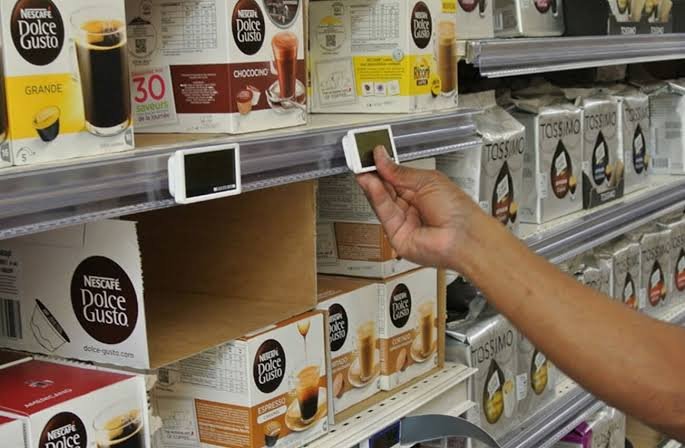
Supermarkets are rapidly upgrading their store floors with electronic shelf labels (ESL), replacing traditional paper price tags with dynamic digital displays that update prices in real time.
The technology, already being rolled out across major grocery chains in Europe, the US, and Asia, allows retailers to instantly change pricing, promotions, and product information across entire stores at the push of a button — no manual relabelling required.
Retail experts say ESL systems are transforming supermarket operations, cutting labour costs while improving pricing accuracy and speed. Price updates that once took hours or even days can now be completed in seconds, ensuring consistency between in-store pricing, online platforms, and promotional campaigns.
Beyond efficiency, retailers are using ESL technology to enable dynamic pricing strategies, where discounts can be adjusted in real time based on demand, time of day, or inventory levels. Some chains are also integrating QR codes and nutritional data directly into shelf displays, giving shoppers deeper product insights.
However, the rollout has sparked debate. Consumer groups have raised concerns that real-time pricing could eventually lead to “surge pricing” in supermarkets, similar to ride-hailing apps, where prices fluctuate frequently and unpredictably. Retailers, however, insist the technology is primarily aimed at improving transparency and reducing pricing errors.
Despite the concerns, adoption is accelerating. Industry analysts predict that ESL systems could become standard in most large supermarkets within the next decade, fundamentally changing how pricing works in physical retail environments.