
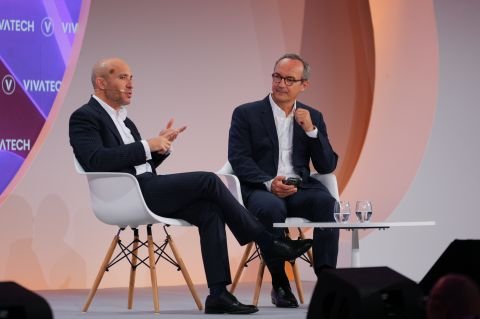
“Technology helps retailers to stay up to date with customer behaviour changes,” says Rami Baitieh. While this statement reflects a growing consensus within the retail industry, analysts at ISN Magazine suggest that technology is only part of the equation.
Consumer behavior has never been static. Shoppers continuously adapt to economic conditions, social trends, technological innovations, and changing lifestyles. As a result, retailers face an ongoing challenge: understanding customers whose expectations evolve faster than ever before.
According to industry analysts, consumer behavior will continue to change regardless of the technological tools available. Factors such as digital adoption, sustainability concerns, demographic shifts, and economic uncertainty constantly influence purchasing decisions. This means retailers must remain flexible and responsive rather than relying solely on historical patterns.
Where technology provides its greatest value is in data analysis. Advanced analytics, artificial intelligence, and customer insight platforms enable retailers to gain a deeper understanding of shopping habits, preferences, and emerging trends. By analyzing large volumes of customer data, retailers can identify patterns that would otherwise remain hidden.
The study finds that data-driven decision-making allows retailers to improve inventory management, personalize customer experiences, optimize pricing strategies, and anticipate demand more accurately. In this sense, technology does not stop consumer behavior from changing; instead, it helps retailers understand and respond to those changes more effectively.
Analysts agree with Baitieh’s observation to a certain extent. Technology serves as a powerful tool for monitoring and interpreting consumer shifts, but the dynamic nature of retail means that adaptation remains a continuous process. The retailers that succeed will be those that combine technological capabilities with a deep understanding of human behavior.
As the retail sector moves forward, data analysis is expected to become even more important. The ability to transform customer data into actionable insights will increasingly determine how effectively retailers meet evolving consumer expectations in a rapidly changing marketplace.