

For more than two decades, the retail industry has experimented with self-checkout in an attempt to speed up the payment process and reduce operational costs. First introduced in the late 1990s, self-checkout machines were designed to give shoppers autonomy while easing pressure on staffed tills. Over time, retailers added handheld scanners, mobile self-scanning apps, and smart scales. Despite these innovations, self-checkout has remained a compromise rather than a solution. Many shoppers still find the process slow, intrusive, and prone to errors, often requiring staff intervention at the most inconvenient moment.
The next phase of retail technology goes far beyond self-checkout. A new generation of frictionless checkout systems is now being developed, aiming to remove the checkout process entirely. In this model, shoppers simply enter the store, take a basket or trolley, and shop as they normally would. Every item placed in the basket or trolley is automatically detected and scanned in real time, without the shopper needing to do anything at all. There are no scanners to hold, no screens to touch, and no interruptions during the shopping journey.
When shopping is complete, the system sends a notification directly to the shopper’s smartphone. This notification contains a complete and transparent list of all items in the basket or trolley. The shopper reviews the list, approves it, and completes payment instantly on their mobile device with a single click. The process is fast, intuitive, and almost invisible.
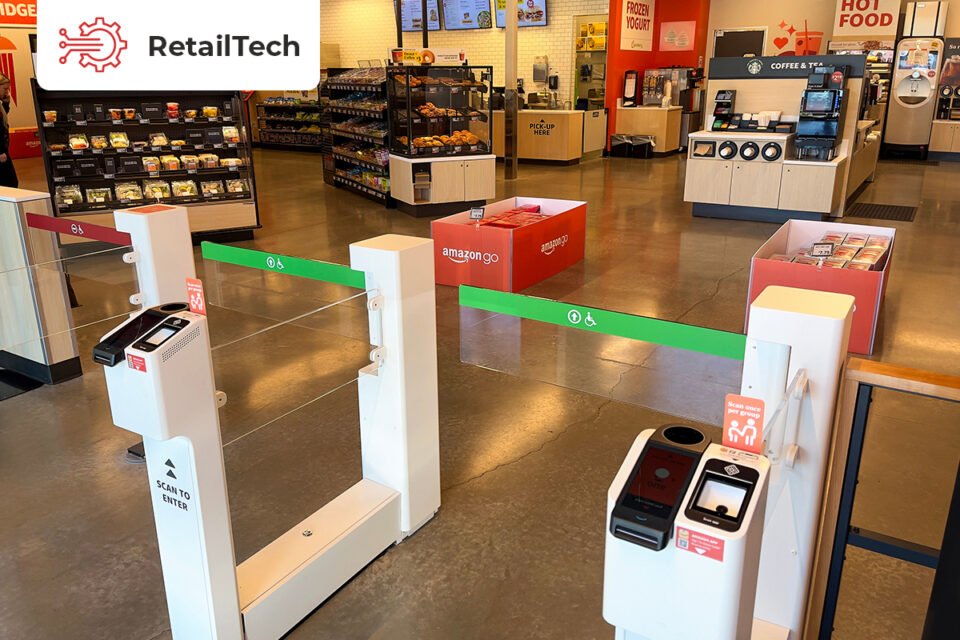
Once payment is approved, the shopper can walk straight out of the store and directly to their car with the trolley. At the store exit, an intelligent gate system provides a final confirmation: a green light signals that everything is approved and paid for, allowing the shopper to leave without stopping. In the rare event of a discrepancy, a red light appears and a store associate is alerted to assist, ensuring both security and customer confidence without disrupting the overall experience.
This technology is powered by a combination of advanced sensors, artificial intelligence, computer vision, and secure mobile payment platforms. Beyond convenience, it offers retailers valuable real-time data, reduced shrinkage, smoother store traffic flow, and lower reliance on traditional checkout infrastructure.
As consumer expectations continue to rise, the future of retail checkout is no longer about faster queues or better self-service machines. It is about making checkout disappear altogether. Invisible payment technology represents a fundamental shift in how physical stores operate, bringing them closer to the speed and simplicity of e-commerce while preserving the tactile, human experience of in-store shopping.