
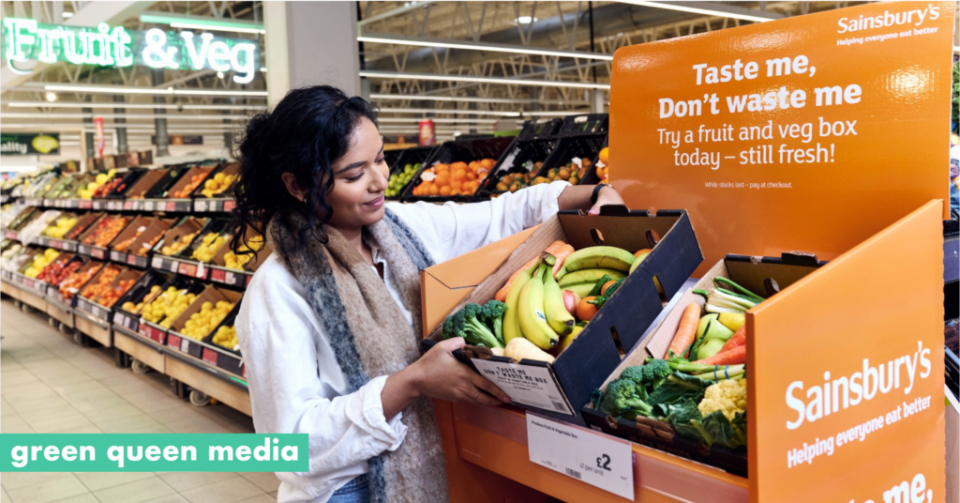
Few names are as deeply woven into the fabric of British retail as Sainsbury’s. For more than a century, the supermarket chain has served generations of shoppers, evolving from a modest family business into one of the country’s largest food retailers. Yet in today’s highly competitive grocery market, heritage alone offers no guarantee of success. The modern supermarket industry is being reshaped by economic pressures, technological innovation, shifting consumer preferences, and an increasingly aggressive competitive landscape.
Sainsbury’s finds itself at the center of this transformation. The retailer is navigating a market where shoppers have become more selective, more value-conscious, and more demanding than ever before. Customers expect quality products, competitive prices, convenient shopping options, and increasingly personalized experiences. Meeting all of these expectations simultaneously has become one of the defining challenges facing modern grocery retailers.
The company enters this period from a position of considerable strength. Its reputation for quality food, broad product assortment, and trusted brand image continues to resonate with consumers across the United Kingdom. Yet maintaining that reputation requires constant adaptation. Retail is no longer simply about stocking shelves and attracting foot traffic. It is about building an integrated ecosystem that connects stores, digital platforms, supply chains, and customer relationships.
One of the most significant shifts influencing Sainsbury’s strategy is the rise of value-driven shopping. Inflationary pressures and broader economic uncertainty have encouraged consumers to pay closer attention to grocery bills. While shoppers remain interested in premium products and fresh food, they are also increasingly focused on affordability. This has forced retailers to strike a delicate balance between maintaining quality standards and delivering competitive pricing.
Sainsbury’s has responded by strengthening its value proposition while preserving the quality credentials that distinguish it from many competitors. The retailer has expanded investment in own-label products, which have become a critical battleground in modern grocery retail. These ranges allow supermarkets to offer attractive prices while maintaining control over product development, sourcing, and branding. In an increasingly competitive market, private-label products have become strategic assets rather than simple alternatives to national brands.
The evolution of customer expectations is also influencing store design and operations. Today’s shoppers seek speed and convenience alongside traditional supermarket experiences. Some customers still enjoy browsing large stores and exploring new products, while others prioritize efficiency and wish to complete their shopping as quickly as possible. Sainsbury’s is therefore adapting its physical locations to serve multiple customer needs simultaneously.
Convenience retailing has emerged as an increasingly important component of the company’s growth strategy. Smaller neighborhood stores provide access to everyday essentials while serving consumers who may no longer wish to undertake large weekly shopping trips. Urbanization, changing work patterns, and evolving lifestyles have all contributed to the growing importance of convenience formats across the grocery industry.
Technology is transforming virtually every aspect of the business. Advanced analytics now help retailers understand consumer behavior with unprecedented precision. Every transaction contributes to a growing body of information that can be used to improve forecasting, inventory management, promotional effectiveness, and customer engagement. Sainsbury’s, like many major retailers, is investing heavily in digital capabilities designed to strengthen operational efficiency while enhancing the customer experience.
Artificial intelligence is increasingly becoming part of that effort. Sophisticated systems can analyze demand patterns, identify emerging trends, and optimize stock levels across thousands of products. Such capabilities help retailers reduce waste, improve product availability, and manage costs more effectively. In an industry where profit margins remain relatively thin, even small efficiency gains can generate substantial benefits.
Online grocery shopping continues to reshape consumer expectations. While physical stores remain central to the retail experience, digital channels have become essential components of modern grocery operations. Consumers increasingly expect flexibility, whether through home delivery, click-and-collect services, or hybrid shopping journeys that combine online browsing with in-store purchases.
Sainsbury’s has worked to strengthen its digital capabilities as part of a broader effort to create a seamless shopping experience. The objective is not simply to compete online but to integrate digital and physical channels into a unified retail ecosystem. This approach reflects a growing industry consensus that the future of grocery retail will be defined by omnichannel engagement rather than purely physical or digital models.
Another important area of focus is sustainability. Environmental concerns are becoming increasingly influential in consumer purchasing decisions. Retailers are under pressure to reduce emissions, improve packaging efficiency, eliminate unnecessary waste, and support more sustainable supply chains. These objectives are often complex and costly, but they are increasingly viewed as essential investments in long-term competitiveness and brand reputation.
The company’s supply chain has become an area of particular strategic importance. Recent years have demonstrated how vulnerable global logistics networks can be to disruption. Retailers are therefore placing greater emphasis on resilience, diversification, and operational flexibility. For Sainsbury’s, maintaining product availability while controlling costs requires constant refinement of sourcing strategies and distribution networks.
Competition remains relentless. Traditional supermarket rivals continue to battle aggressively for market share, while discount chains challenge established pricing structures. Meanwhile, digital commerce and alternative retail models are creating entirely new forms of competition. The result is a market where standing still is not an option.
Despite these challenges, Sainsbury’s possesses several advantages. Its established brand, extensive store network, loyal customer base, and reputation for quality provide a strong foundation for future growth. The retailer has demonstrated an ability to adapt throughout its history, responding to changing consumer needs while preserving core elements of its identity.
Perhaps the most significant challenge facing the company is maintaining relevance in an era of rapid change. Consumer preferences continue to evolve, technological innovation accelerates, and competitive dynamics shift with increasing frequency. Success will depend not only on operational excellence but also on the ability to anticipate emerging trends before they become mainstream.
Looking ahead, the future of Sainsbury’s will likely be shaped by its ability to blend tradition with innovation. The retailer’s heritage remains a valuable asset, but its long-term success will depend on how effectively it embraces the opportunities created by digital transformation, data analytics, sustainability initiatives, and changing consumer behavior.
The supermarket of the future may look very different from the stores that built Sainsbury’s reputation. Yet the fundamental mission remains unchanged: providing customers with quality products, reliable service, and a shopping experience that meets their everyday needs. In a rapidly evolving retail landscape, that enduring focus may prove to be one of the company’s greatest strengths.