

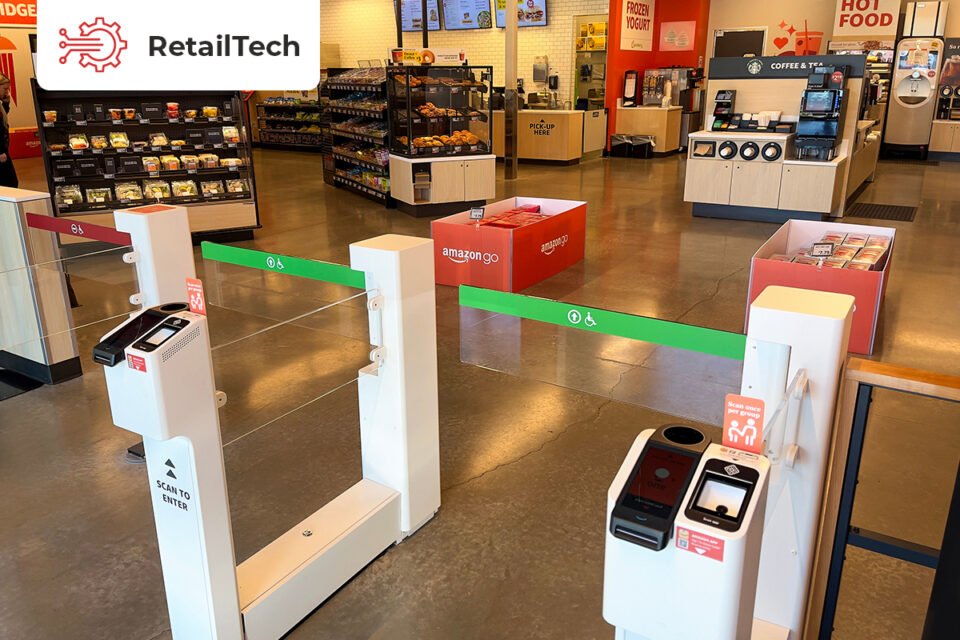
Across Europe and beyond, supermarkets aren’t just places to buy groceries anymore — they’ve become battlegrounds for convenience, technology, and consumer loyalty. In an era where habits shift weekly and competition is relentless, the major players are redefining what a “store” even means. Here’s the full story behind today’s biggest trends shaping food retail.
Record Investment in Physical Stores — Spain Leads the Momentum
Spanish supermarkets have achieved a historic milestone, with total investments topping €2.069 billion in the last four years. Between 2020 and 2023, investment surged by nearly 96%, dwarfing pre‑pandemic figures and signalling renewed confidence in physical retail space. Analysts attribute this boom to stronger returns from supermarket real estate and a rebound in shopper traffic, even as economic uncertainty persists.
Nationwide, leading chains are expanding aggressively. Tesco, Aldi, Lidl, Mercadona, and Carrefour are all funneling capital into new store formats, streamlined logistics, and redesigned urban concepts that bring essentials closer to where people live and work.
Retail Isn’t Just Selling Groceries — It’s Winning Meals On the Go
One of the most eye‑opening shifts is how supermarkets are finally displacing restaurants for everyday meals. Retailers across Europe are locking in a rapidly growing “consumption immediate” trend — where food prepared in‑store or ready‑to‑eat meals become a direct alternative to traditional dining. According to market research, nearly one in three euros spent on food and beverages outside the home is now happening through grocery formats like convenience stores, supermarket prepared foods, and hybrid retail‑foodservice models.
What used to be a lunchtime niche is now a full‑blown revenue stream, with major chains experimenting with chef‑driven ready meals, sushi bars, and fresh pizzas alongside traditional produce and pantry staples.
Artificial Intelligence Is Moving From Buzzword to Boardroom Reality
Behind the scenes, supermarkets are stepping into the future with a technological revolution. Over half of both retailers and consumer goods manufacturers have already begun implementing artificial intelligence (AI) into their operations, using data to predict demand, optimize inventory, and tailor what ends up on shelves.
This isn’t distant talk — CFOs and supply chain chiefs are now investing in analytical systems that anticipate buying patterns by region, product category, and even weather conditions. Early adopters report sharper turn‑rates and less waste, a critical advantage when margins are thin and consumer tolerance for out‑of‑stock items is zero.
Expansion Is Back — But With Strategic Precision
Carrefour, for example, has already opened 100 new supermarkets in 2025, reinforcing its long‑term shift toward neighbourhood proximity retail. This build‑out isn’t random — it targets mixed‑use urban corridors where footfall and frequent basket sizes promise healthier profitability.
Similarly, Spanish chains including Mercadona, Lidl, Aldi, DIA, and Consum are amplifying growth in share and customer reach. In the first eight months of 2025, Mercadona alone gained market share while expanding deeper into coastal and inland regions.
Consumers Are Rewarding Value — And Private Labels Are Winning Hearts
Across the grocery landscape, local brands and private labels are no longer bargains — they are strategy. Consumers balancing budget pressures and desire for quality increasingly opt for trusted in‑store lines. This behaviour not only strengthens margins for retailers but also bolsters loyalty: one survey found that private label shoppers come back more frequently and spend more per trip — a powerful metric in hospitality challenged by inflationary headwinds.
Discount and Proximity Formats Are Redefining “Essential”
Economic constraints have propelled discount supermarkets into the spotlight. Even smaller Dutch and European brands are expanding rapidly with high‑volume, low‑price assortments that attract price‑sensitive buyers. These models demonstrate that in times of tightening wallets, value isn’t just about price — it’s about perceived quality, choice, and simplicity.
Meanwhile, proximity stores — smaller footprints embedded in urban centres — have morphed from convenience add‑ons into strategic revenue hubs, especially where commuter traffic and micro‑neighbourhood demand converge.
The Big Tech Influence: Data, Delivery, and Hyper‑Personalisation
Online grocery continues to accelerate, driven by hybrid habits that blur physical and digital channels. Real‑time data analytics now inform everything from online shelf layouts to curbside pickup windows. Retailers embracing omnichannel strategies report higher loyalty scores and better lifetime customer value.
Home delivery services, while once seen as cost centres, are increasingly integrated into long‑term loyalty platforms, particularly among younger demographics that view grocery apps the same way they do streaming services: convenience first.
In Summary: Supermarkets Are Becoming Dynamic Retail Ecosystems
Today’s supermarket sector is a mosaic of bold experiments and strategic pivots:
-
Physical investment is surging, reversing years of retail pessimism.
-
Grocers are capturing food‑service share, turning ready‑to‑eat lines into growth engines.
-
AI and data science are mainstream, unlocking deeper operational insight.
-
Expansion strategies focus on proximity, value, and convenience.
-
Private labels are rising, reshaping consumer loyalty and retail economics.
In 2026, supermarkets no longer sit at the end of the supply chain — they are frontiers of consumer experience, digital innovation, and community relevance. Whether you’re a supplier, retailer, investor, or consumer, the retail revolution unfolding now is offering more signals of transformation than any moment in the past decade.