

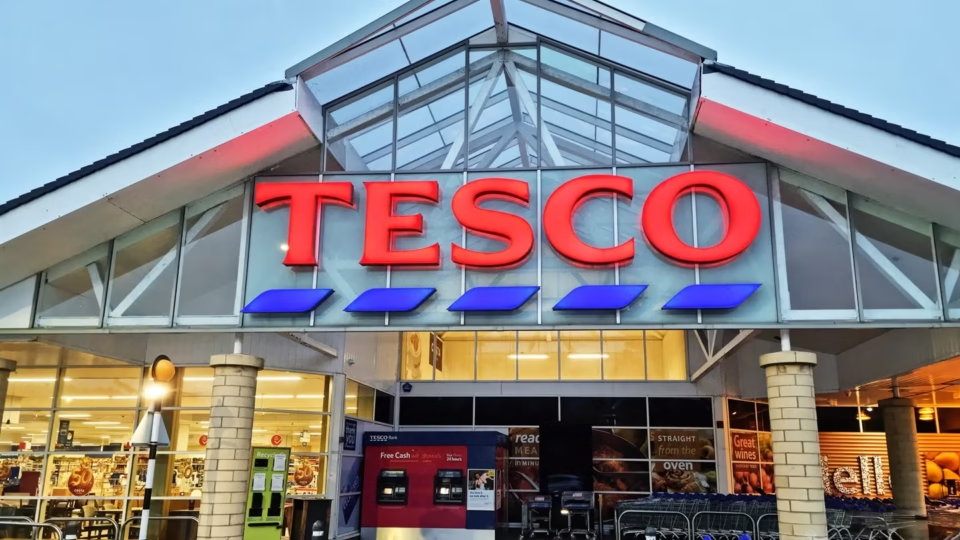
As environmental concerns continue to shape consumer behavior and corporate strategies, supermarkets around the world are stepping up their efforts to become more sustainable. Retail giants like Tesco, Walmart, and Carrefour are at the forefront of this shift, making substantial investments aimed at reducing their environmental impact and promoting a greener future. These efforts encompass a broad spectrum of initiatives, from reducing plastic waste to supporting plant-based diets, all while striving to enhance the energy efficiency of their stores. Here’s a look at how supermarkets are evolving to meet the growing demand for sustainable practices.
1. Reducing Plastic Waste: A Priority for Supermarkets
Plastic packaging has long been a major contributor to environmental pollution, and the supermarket industry is under increasing pressure to tackle this issue. In response, leading retailers are taking bold steps to minimize their plastic footprint. Tesco, for example, has committed to removing single-use plastic packaging from its own-brand products, aiming to replace them with more sustainable alternatives such as cardboard, glass, and biodegradable materials. Carrefour, too, is working on phasing out plastic packaging for fruits and vegetables, encouraging shoppers to bring their own reusable bags and containers.
Beyond reducing plastic packaging, many supermarkets are now offering customers incentives to bring reusable bags, reducing the reliance on disposable plastic bags. By introducing these changes, supermarkets not only help reduce plastic waste but also influence consumer behavior toward more eco-conscious choices.
2. Plant-Based Alternatives: A Shift Toward Healthier and Greener Choices
As the global awareness of the environmental impact of meat production grows, supermarkets are increasingly turning their focus to plant-based alternatives. Both Tesco and Walmart have expanded their plant-based product lines in recent years, offering everything from plant-based meats to dairy-free options. These products not only cater to the growing number of consumers choosing plant-based diets for health and ethical reasons but also help reduce the carbon footprint associated with animal farming.
Carrefour has also made significant strides in promoting plant-based options, with a growing selection of vegan and vegetarian products across all categories. This shift is part of a broader effort to reduce greenhouse gas emissions and water consumption, both of which are significantly lower in plant-based food production compared to animal-based agriculture.
The rise of plant-based foods also ties into the overall sustainability trend in supermarkets. By encouraging consumers to make more eco-friendly food choices, supermarkets are helping to create a ripple effect that benefits the environment and the global food system as a whole.
3. Energy Efficiency: Greening the Store Environment
Improving energy efficiency is another key area of focus for supermarkets as they aim to reduce their overall environmental impact. Retail giants like Walmart are investing in renewable energy sources, with some stores already operating entirely on solar power. In addition to renewable energy, many supermarkets are modernizing their stores with energy-efficient technologies, such as LED lighting and low-energy refrigeration systems.
Carrefour has taken similar steps by launching energy-efficient stores and committing to reducing its carbon footprint across its entire supply chain. This includes making adjustments to heating, ventilation, and air conditioning (HVAC) systems, as well as optimizing energy consumption during off-peak hours.
Supermarkets are also using energy management systems to monitor and reduce energy usage in real time, making it easier to identify areas for improvement. By adopting these technologies, supermarkets not only reduce their environmental impact but also lower operational costs, creating a win-win situation for both the planet and the business.
4. Sustainable Supply Chains: Fostering a Circular Economy
Sustainability efforts in supermarkets extend beyond their physical stores and product offerings. A critical component of these efforts is the focus on creating sustainable supply chains. Supermarkets are increasingly looking at how their products are sourced, transported, and distributed to ensure that their entire supply chain aligns with sustainability goals.
Tesco, for instance, has been working with suppliers to improve the sustainability of its products, encouraging them to adopt more environmentally friendly practices. This includes sourcing ingredients responsibly, reducing food waste, and ensuring that products are manufactured using eco-friendly processes.
Carrefour has also made significant progress in building a circular economy, which focuses on reducing waste by reusing and recycling materials. The supermarket chain has committed to sourcing products with a smaller environmental footprint, promoting fair trade, and supporting local farmers who use sustainable farming practices.
5. Collaboration and Transparency: Key to Achieving Sustainability Goals
Supermarkets cannot achieve their sustainability goals in isolation. Collaboration with other businesses, governments, and non-governmental organizations is essential to driving meaningful change. To this end, Tesco, Walmart, and Carrefour are actively working with stakeholders across the supply chain to promote sustainability.
Additionally, transparency plays a crucial role in holding these companies accountable to their sustainability commitments. More and more, these supermarkets are releasing annual sustainability reports to provide customers with clear and actionable information about their progress. These reports highlight everything from carbon emissions reductions to waste management strategies, ensuring that consumers can make informed decisions about their purchases.
Conclusion
The shift toward sustainability in supermarkets is no longer a trend—it is a necessity for the future of retail. As consumer expectations evolve and environmental pressures increase, companies like Tesco, Walmart, and Carrefour are demonstrating leadership in adopting sustainable practices. From reducing plastic packaging and promoting plant-based alternatives to enhancing energy efficiency and fostering sustainable supply chains, these supermarkets are setting a powerful example of how businesses can thrive while also helping protect the planet. As these efforts continue to grow and evolve, the supermarket industry will play a pivotal role in shaping a greener, more sustainable future for all.