
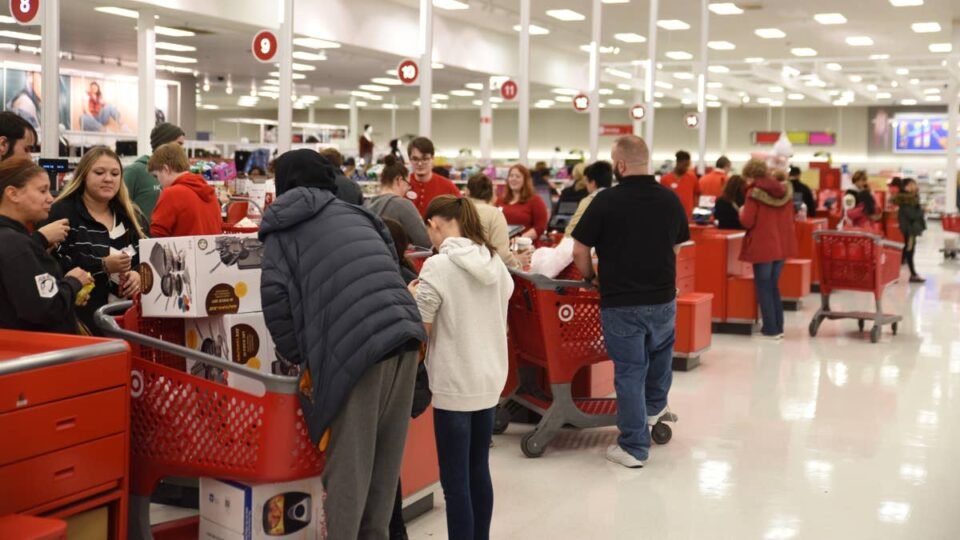
Target occupies a unique space in American retail. It is not purely a supermarket, nor is it a traditional department store. Instead, it sits somewhere in between—a hybrid retailer that combines grocery essentials with apparel, home goods, beauty products, and lifestyle merchandise. This blend has helped Target carve out a distinctive identity in a highly competitive retail landscape where specialization is increasingly giving way to convergence.
Over the past several decades, Target has cultivated a reputation that extends beyond price alone. While value remains important, the company has positioned itself around design, convenience, and a curated shopping experience that differentiates it from more traditional discount-focused competitors. Its stores are designed to feel more organized and visually appealing than typical mass-market retailers, creating an environment that encourages browsing as well as routine shopping.
In today’s retail environment, however, even strong positioning is not enough to guarantee stability. The industry is undergoing rapid transformation driven by digital commerce, shifting consumer expectations, inflationary pressures, and intensified competition across both grocery and non-grocery segments. Target finds itself navigating all of these forces simultaneously.
One of the most important aspects of Target’s strategy is its integration of grocery and general merchandise. Unlike pure supermarket chains, Target treats food as part of a broader lifestyle offering. Groceries bring customers into stores frequently, while apparel, home goods, and seasonal products increase basket size and overall spending per visit. This model depends on creating a consistent and appealing in-store experience that encourages customers to purchase across multiple categories.
The grocery component of Target’s business has become increasingly important in recent years. As consumers seek convenience, the ability to pick up food items alongside other household needs has become a major advantage. Small-format grocery offerings and in-store food sections help drive regular foot traffic, supporting the broader retail ecosystem within each location.
At the same time, Target’s general merchandise business remains central to its identity. Categories such as apparel, home décor, and beauty products have helped differentiate the company from traditional supermarkets. These segments rely heavily on trend awareness, merchandising strategy, and brand positioning, making Target as much a lifestyle retailer as a grocery provider.
The modern retail environment has pushed Target to evolve its operations significantly. Consumers now expect seamless integration between physical stores and digital platforms. Online shopping, curbside pickup, same-day delivery, and mobile ordering have become essential components of the retail experience. Target has invested heavily in building an omnichannel infrastructure that connects these services into a unified system.
Stores play a particularly important role in this ecosystem. Rather than functioning solely as points of sale, Target locations increasingly operate as fulfillment centers for online orders. This allows the company to leverage its physical footprint to support faster delivery times and improved inventory availability. The blending of store and logistics functions has become a defining feature of modern retail strategy.
Technology underpins much of this transformation. Data analytics are used to understand consumer behavior, manage inventory, and optimize product assortment. Retailers like Target collect vast amounts of information from transactions, digital interactions, and supply chain systems. This data is increasingly central to decision-making across merchandising, pricing, and logistics.
Artificial intelligence is also playing a growing role in demand forecasting and inventory management. Predicting what customers will buy—and when—is essential in a business where both overstock and understock can negatively impact profitability. AI systems help improve accuracy by analyzing historical trends, seasonal patterns, and external factors that influence demand.
Supply chain efficiency remains a critical priority. Target operates a complex logistics network that must support both grocery perishables and general merchandise with different storage, transportation, and timing requirements. Maintaining this balance requires careful coordination across suppliers, distribution centers, and store operations.
Private-label brands are another important component of Target’s strategy. In-house product lines allow the company to differentiate its offerings while maintaining control over quality and pricing. These brands have become increasingly important in a market where consumers are more open to alternatives that offer strong value without sacrificing design or functionality.
Competition in US retail is intense and multifaceted. Target competes with traditional supermarket chains in grocery categories, with mass retailers in general merchandise, and with e-commerce giants in digital retail. This broad competitive set forces the company to maintain flexibility across multiple business models simultaneously.
Discount retailers continue to exert pressure on pricing, while online platforms reshape expectations around convenience and delivery speed. At the same time, consumer preferences are shifting toward curated, experience-driven shopping environments. Target’s positioning attempts to balance all of these forces by offering a combination of value, style, and accessibility.
Customer loyalty plays a key role in sustaining this model. Target has invested in loyalty programs and digital engagement tools designed to strengthen customer relationships. These systems leverage data to personalize promotions, improve relevance, and encourage repeat visits. In an environment where consumers have many choices, maintaining engagement is critical.
Store design remains one of Target’s most distinctive advantages. The company places significant emphasis on creating visually appealing, easy-to-navigate spaces that enhance the shopping experience. Unlike purely functional discount formats, Target stores are designed to encourage exploration and discovery, reinforcing the company’s brand identity.
Sustainability has also become an increasingly important aspect of Target’s operations. Consumers are more aware of environmental issues, and retailers are expected to reduce waste, improve packaging, and lower emissions across their supply chains. Target has introduced initiatives aimed at improving energy efficiency, reducing plastic use, and increasing sustainable product offerings.
The company’s scale allows sustainability improvements to have a meaningful impact. However, implementing these changes across a vast retail network is complex and requires coordination across suppliers, logistics systems, and store operations.
Looking ahead, Target faces both opportunity and pressure. The convergence of grocery and general merchandise retail creates opportunities for cross-category growth, but also increases complexity. The company must continue adapting to digital transformation, shifting consumer behavior, and evolving competitive dynamics.
Success will depend on maintaining a delicate balance between experience-driven retail and operational efficiency. Target’s ability to combine style, convenience, and value has historically been its strength, but sustaining that balance in a rapidly changing market will require continued investment in technology, logistics, and customer engagement.
In a retail landscape increasingly defined by convergence rather than separation, Target represents a hybrid model of modern commerce. Its future will depend on how effectively it can integrate grocery, general merchandise, and digital retail into a seamless experience that meets the expectations of today’s consumers.