
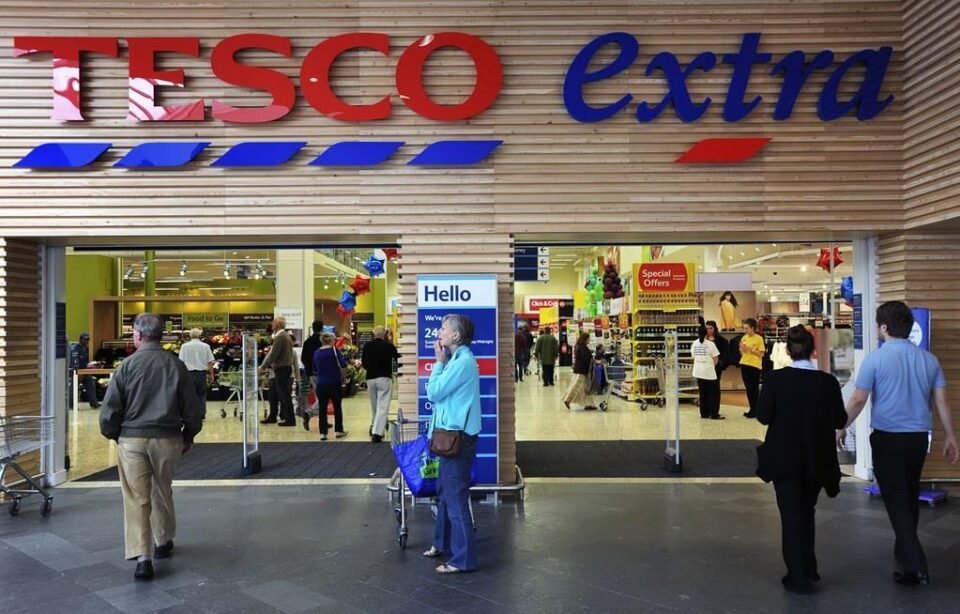
Tesco has once again demonstrated why it remains the UK’s largest supermarket, reporting sales growth of 1.7% in the latest trading period. While the increase may appear modest compared with some of its competitors, it reflects the challenges of maintaining growth from such a large market base and confirms Tesco’s ability to remain resilient in one of Europe’s most competitive grocery markets.
For Britain’s largest retailer, the priority has not been rapid expansion but protecting market share while continuing to improve profitability and customer loyalty. Tesco serves millions of shoppers every week through its extensive network of supermarkets, convenience stores and online grocery operations. At this scale, even small percentage increases represent substantial additional revenue.
The retailer has invested heavily in its Clubcard loyalty programme, which has become one of the most effective customer retention tools in UK retail. Exclusive Clubcard pricing encourages repeat shopping while providing Tesco with valuable consumer data that helps the company tailor promotions and product ranges to local demand.
Another important factor behind Tesco’s performance is its continued investment in private label products. Own-brand ranges now cover almost every grocery category, offering customers quality alternatives to branded products while allowing Tesco greater control over pricing and margins. Premium own-label products continue to attract shoppers looking for restaurant-quality food at home, while value ranges appeal to households managing tighter budgets.
Technology remains central to Tesco’s long-term strategy. The retailer continues investing in digital services, online grocery fulfilment, artificial intelligence and automation to improve efficiency throughout its supply chain. Faster stock replenishment, better demand forecasting and improved delivery services all contribute to a stronger customer experience.
Competition, however, remains intense. Lidl and Aldi continue attracting value-conscious consumers, while Sainsbury’s is strengthening its own position through investment in food quality and competitive pricing. Tesco therefore faces the constant challenge of balancing price competitiveness with profitability.
Despite these pressures, Tesco’s scale remains one of its greatest strengths. Long-term supplier relationships, advanced logistics and significant purchasing power enable the retailer to respond quickly to changing market conditions.
Looking ahead, Tesco is expected to continue focusing on value, convenience, digital innovation and operational efficiency. As grocery inflation eases, competition for customer loyalty is likely to become even stronger. Tesco’s ability to combine competitive pricing with investment in technology and customer service will determine whether it can maintain its leadership position over the coming years.
The latest sales figures suggest that although growth may be measured rather than spectacular, Tesco remains firmly in control of the UK’s grocery market. In an increasingly competitive retail environment, consistency often proves more valuable than rapid expansion.