Red Bull has disappeared from Kroger’s stores
When the Supermarket Decides the Brand Is Too Expensive
The numbers do not work, even a brand with wings can lose its place on the shelf.
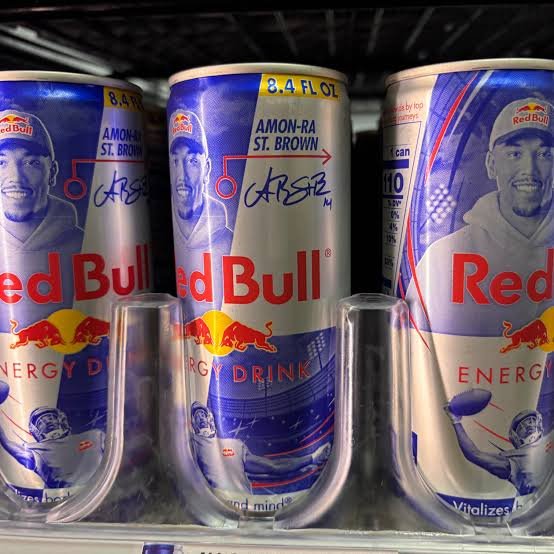
Red Bull has disappeared from Kroger’s stores and fuel centres across the United States, with the retailer removing the brand’s products, coolers and displays by the end of August. Kroger has not publicly confirmed that price negotiations are the reason, although its website has told shoppers that it is working with suppliers to keep prices affordable.
For the supermarket, however, the calculation is very different.
Every space on a supermarket shelf has a value. A product has to justify the space it occupies, the price consumers pay for it and the margin it produces for the retailer. When the economics no longer work, even a famous international brand can find itself outside the door.
That is perhaps the more important story behind Kroger’s decision.
For years, supermarket relationships with major food and beverage companies have involved a complicated balance. Consumers want the brands they recognise, while retailers need to keep prices competitive and protect their margins. When costs rise, suppliers want to recover them through higher wholesale prices. Retailers then have to decide how much of that increase they can pass on to shoppers.
That conversation appears to be becoming more difficult.
Kroger’s new leadership has made affordability a central part of its strategy. CEO Greg Foran has said the retailer intends to challenge suppliers over price increases and has also pointed towards expanding its private-label business. Kroger’s private brands generated $39 billion in sales last year, according to the Cincinnati Enquirer.
This changes the balance of power.
A supermarket that has a strong private-label alternative does not necessarily have to accept every price demanded by a branded supplier. It can negotiate harder, reduce the amount of shelf space allocated to a brand or, in the most dramatic cases, remove the product altogether.
Red Bull is particularly interesting because it is not an unknown product that can simply be replaced without shoppers noticing. Kroger continues to sell other energy drinks, including Monster, Alani Nu, Celsius, Rockstar and NOS, meaning the category itself remains important. The decision is therefore about one brand rather than abandoning energy drinks.
And this is where the supermarket shelf becomes a negotiating table.
The question for food manufacturers is no longer simply how strong their brand is. It is also how much power that brand gives them when negotiating with a retailer.
For retailers, meanwhile, the calculation is becoming increasingly consumer-focused: will shoppers follow the brand somewhere else, or will they simply buy an alternative from the supermarket?
There is no simple answer.
But the disappearance of Red Bull from Kroger stores is a reminder that supermarket retail is changing. The shelf is no longer just a place where products are displayed. It is becoming one of the most important points of negotiation between retailers, brands and consumers.
And sometimes, when the numbers do not work, even a brand with wings can lose its place on the shelf.