

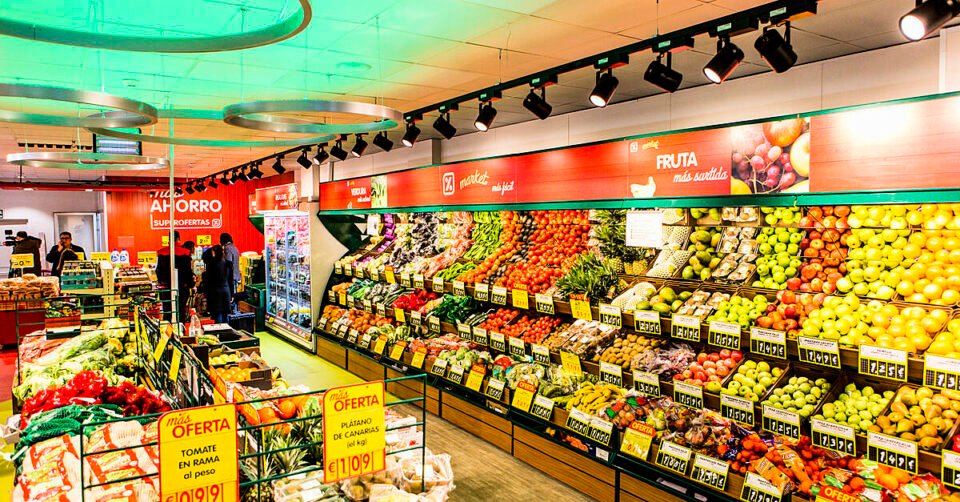
For much of the past decade, the Spanish supermarket chain DIA was widely viewed as one of Europe’s most troubled grocery retailers. Years of financial losses, store closures and restructuring had placed the company under intense pressure. Many analysts questioned whether the once-powerful discount chain could survive the transformation sweeping the European grocery industry.
Today, however, the narrative surrounding DIA is changing dramatically.
After several difficult years, the company has begun to demonstrate signs of a strong recovery. Improved operational management, a renewed focus on neighbourhood stores and a disciplined restructuring strategy have allowed the retailer to return to profitability and rebuild market confidence.
The comeback of DIA offers a compelling case study of how a struggling supermarket group can reinvent itself in an increasingly competitive retail environment.
A return to profitability
One of the most significant milestones in DIA’s recovery has been its return to positive financial results. After seven consecutive years of losses, the company recorded a net profit in 2025, with its Spanish division achieving particularly strong performance.
This financial turnaround was not accidental. It was the result of a multi-year restructuring effort that involved closing underperforming stores, modernising operations and redefining the company’s retail strategy.
The results have begun to appear in the company’s sales figures. During the final quarter of 2025, DIA Spain reported sales growth exceeding ten percent, supported by strong like-for-like store performance.
For a retailer that only a few years ago faced doubts about its future, the improvement represents a remarkable shift in momentum.
The power of proximity retail
Central to DIA’s transformation has been a renewed emphasis on proximity retail.
Unlike hypermarkets or large supermarkets, DIA’s business model is built around small neighbourhood stores designed to serve local communities. These compact outlets allow shoppers to buy essential groceries quickly without travelling long distances.
In recent years, this concept has gained renewed relevance.
Modern consumers increasingly prefer smaller and more convenient shopping trips rather than the traditional weekly visit to a large supermarket. Urban lifestyles, time constraints and changing household structures have encouraged shoppers to prioritise proximity and speed.
DIA’s network of neighbourhood stores positions the company perfectly to benefit from this trend.
The retailer has therefore invested heavily in upgrading its proximity stores, improving store layouts and expanding product ranges tailored to local demand.
Expansion in key regions
Another sign of the company’s renewed confidence is its continued store expansion.
Earlier this month, DIA opened a new supermarket in the Spanish city of Murcia as part of its broader growth strategy. The store offers more than 3,000 products and provides employment for several staff members, reinforcing the company’s presence in the region.
Murcia is just one example of the company’s regional expansion efforts. DIA already operates dozens of stores across the area, and new openings are expected to continue as the retailer strengthens its proximity network.
The company’s strategy does not rely on massive hypermarkets or shopping centres. Instead, it focuses on a dense network of smaller neighbourhood locations that allow customers to access groceries within walking distance of their homes.
This approach reflects broader changes in the European retail landscape.
A focus on affordability
Affordability remains a core element of DIA’s identity.
Historically, the chain built its reputation as a discount supermarket offering competitive prices on everyday groceries. Although the company has modernised its stores and improved product quality, maintaining low prices remains central to its strategy.
In an environment marked by rising living costs and economic uncertainty, price competitiveness has become more important than ever.
Consumers across Europe are increasingly seeking value when shopping for groceries. Retailers capable of combining affordability with convenience are therefore gaining significant traction.
DIA’s renewed focus on price positioning has helped attract customers back to its stores.
Creating jobs and strengthening logistics
The company’s recovery is also generating employment and investment.
DIA has announced plans to create around 1,200 new jobs in Spain during 2026, reflecting the momentum created by its turnaround strategy.
These new positions will span multiple areas of the business, including retail stores, logistics platforms and corporate operations.
Investment in distribution infrastructure is particularly important. Efficient logistics networks are essential for ensuring that products reach stores quickly and remain competitively priced.
By strengthening its supply chain capabilities, DIA aims to improve both operational efficiency and customer satisfaction.
Competing in a crowded market
Despite its recent progress, DIA still operates within one of Europe’s most competitive grocery markets.
Spain is home to several powerful supermarket chains, including Mercadona, Carrefour, Lidl and Aldi. These retailers compete aggressively on price, product assortment and store innovation.
For DIA, maintaining competitiveness requires constant adaptation.
The company has therefore focused on improving store quality, expanding fresh food offerings and strengthening its private-label product range.
Private labels play a particularly important role in the discount supermarket model because they allow retailers to maintain attractive prices while protecting margins.
Digital transformation
Another key component of DIA’s modernisation strategy is digital transformation.
Online grocery shopping has expanded rapidly across Europe in recent years, forcing traditional retailers to adapt their operations. DIA has responded by investing in e-commerce platforms and delivery partnerships that allow customers to order groceries online and receive them at home.
The integration of digital channels with physical stores is becoming increasingly important in modern retail.
Customers expect flexibility, whether they choose to shop in person, collect orders from a store or receive home delivery.
DIA’s ability to combine neighbourhood stores with digital services could prove to be a powerful competitive advantage.
A new chapter for the retailer
The transformation of DIA demonstrates how quickly fortunes can change in the supermarket industry.
Only a few years ago, the company’s future appeared uncertain. Financial difficulties and operational challenges threatened the viability of the business.
Today, however, the narrative is very different.
Improved financial performance, renewed store expansion and a clear strategic focus have restored confidence among investors and industry observers.
While challenges remain, the company’s progress suggests that the turnaround strategy is gaining traction.
The broader lesson for retail
DIA’s recovery also highlights a broader lesson for the global supermarket sector.
In an industry undergoing rapid transformation, adaptability is essential. Retailers that fail to adjust to changing consumer habits risk losing relevance.
But those capable of redefining their strategies—focusing on convenience, value and operational efficiency—can find new paths to growth.
For DIA, the comeback story is still unfolding.
Yet the progress achieved so far suggests that the once-troubled retailer may once again become a significant force within the European grocery landscape.