

Supermarkets, Hypermarkets, Discount Chains and Global E-Commerce Giants
The global retail industry in 2025 is dominated by a small group of extraordinarily powerful companies. These retailers control tens of thousands of physical outlets, massive online platforms, advanced logistics networks and multi-billion-dollar turnovers. Traditional supermarkets now operate side-by-side with e-commerce giants, while many companies combine both models into fully integrated omnichannel empires.
This report reviews the largest and richest retailers in the world, covering store numbers, online platforms, turnover and profitability, with a strong focus on food retail, grocery and mass consumer goods.
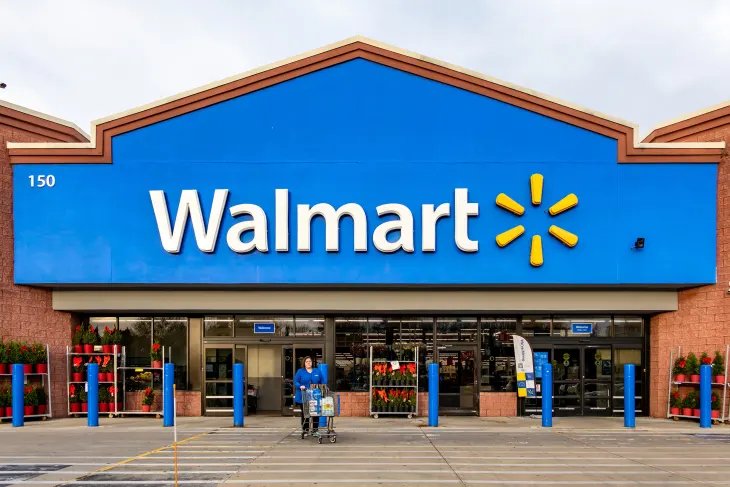
1. Walmart Inc. – United States
Turnover: ~USD 675 billion
Profit: ~USD 19 billion
Outlets: Over 10,600 stores worldwide
Online: Walmart.com, Walmart+, omnichannel grocery delivery
Walmart remains the largest retailer in the world by revenue. Its strength lies in scale: supercentres, supermarkets, discount formats and one of the most advanced grocery fulfilment networks globally. Walmart’s online grocery business continues to expand rapidly, particularly in the US and Latin America, supported by store-based fulfilment and last-mile delivery.
2. Amazon – United States (E-Commerce Leader)
Turnover: ~USD 635 billion
Profit: ~USD 55–60 billion
Outlets: Over 600 physical stores (Whole Foods, Amazon Go)
Online: Amazon marketplace, Prime, grocery delivery
Amazon dominates global e-commerce and is the most profitable large-scale retailer in the world. While not a traditional supermarket, Amazon is now a major grocery retailer through Whole Foods, Amazon Fresh and rapid-delivery services. Its profitability is driven by logistics, advertising, subscriptions and data-driven retail.
3. Schwarz Group (Lidl & Kaufland) – Germany
Turnover: ~USD 180 billion
Profit: Private (not disclosed)
Outlets: Over 14,000 stores
Online: Limited but expanding digital grocery services
The Schwarz Group is Europe’s largest grocery retailer. Lidl’s discount model continues to gain market share across Europe, the UK and the US. Kaufland operates large hypermarkets, particularly in Central and Eastern Europe. The group focuses on price leadership, private label dominance and supply-chain efficiency.
4. Costco Wholesale – United States
Turnover: ~USD 245 billion
Profit: ~USD 7–8 billion
Outlets: Around 900 warehouse clubs
Online: Costco.com (limited SKUs, high value)
Costco’s success is built on a membership-based model, low margins and extremely high volumes. Food and grocery represent a large part of sales, with strong private label performance under the Kirkland brand. Costco remains one of the most efficient and trusted retailers globally.
5. Aldi Group – Germany
Turnover: ~USD 155 billion
Profit: Private
Outlets: Over 13,800 stores
Online: Limited, market-specific partnerships
Aldi is one of the most influential discount grocery retailers in the world. Its focus on private labels, limited assortments and cost control allows it to compete aggressively with traditional supermarkets. Aldi’s expansion in the US, UK and Australia continues to pressure established chains.
6. Ahold Delhaize – Netherlands / United States
Turnover: ~USD 100 billion
Profit: ~USD 3–4 billion
Outlets: Over 8,000 stores
Online: Strong e-grocery platforms in the US and Europe
Ahold Delhaize operates leading supermarket brands such as Albert Heijn, Food Lion, Stop & Shop and Delhaize. The group is one of the most advanced in online grocery, click-and-collect and home delivery, especially in urban markets.
7. Carrefour Group – France
Turnover: ~USD 95–100 billion
Profit: Variable, low-margin environment
Outlets: Nearly 15,000 stores
Online: Carrefour online grocery and quick commerce
Carrefour remains a major global player with strong positions in Europe, Latin America and parts of Asia. The company is restructuring towards convenience, franchising and digital retail while defending its hypermarket business.
8. Seven & i Holdings (7-Eleven) – Japan
Turnover: ~USD 90 billion
Profit: Strong, driven by convenience retail
Outlets: Over 40,000 stores worldwide
Online: Digital loyalty, delivery partnerships
Seven & i operates the largest convenience store network in the world. While not a traditional supermarket, its food and grocery sales volume is enormous. The group benefits from high-frequency shopping and strong private-label fresh food ranges.
9. JD.com – China
Turnover: ~USD 155–160 billion
Profit: ~USD 3–4 billion
Outlets: Limited physical, logistics hubs nationwide
Online: JD.com marketplace, same-day grocery delivery
JD.com is China’s most advanced logistics-driven e-commerce retailer. It plays a critical role in fresh food, grocery and rapid delivery, operating its own nationwide fulfilment and cold-chain infrastructure. JD is increasingly influential in omnichannel retail.
10. Alibaba Group – China
Turnover: Retail ecosystem exceeding USD 130 billion
Profit: Strong but fluctuating
Outlets: Freshippo (Hema) supermarkets
Online: Taobao, Tmall, instant retail platforms
Alibaba’s retail power lies in its ecosystem. Through marketplaces and Freshippo smart supermarkets, Alibaba blends physical retail, data, AI and delivery. Its influence on Chinese grocery retail is strategic rather than store-count driven.
Other Major Global Retailers
-
Kroger (USA): ~USD 150 billion turnover, strong US grocery footprint
-
Tesco (UK): UK’s largest supermarket, advanced online grocery
-
Home Depot (USA): World leader in DIY and home improvement
-
CVS Health (USA): Pharmacy-led retail giant
-
Shoprite (Africa): Largest food retailer on the African continent
Key Retail Trends in 2025
-
Supermarkets and e-commerce are fully merged into omnichannel models
-
Private labels are driving margins and loyalty
-
China leads in instant retail and same-day delivery
-
Scale and logistics efficiency matter more than store aesthetics
-
Food retail remains the backbone of global consumer spending
Conclusion
The world’s richest and biggest retailers in 2025 are no longer just store operators. They are logistics companies, data businesses, digital platforms and food supply-chain managers. Supermarkets remain central to global retail, but those that succeed are the ones integrating physical presence with powerful online ecosystems.
Retail power today is measured not only by store numbers, but by control of supply chains, customer data and delivery speed.
Source: ISN