

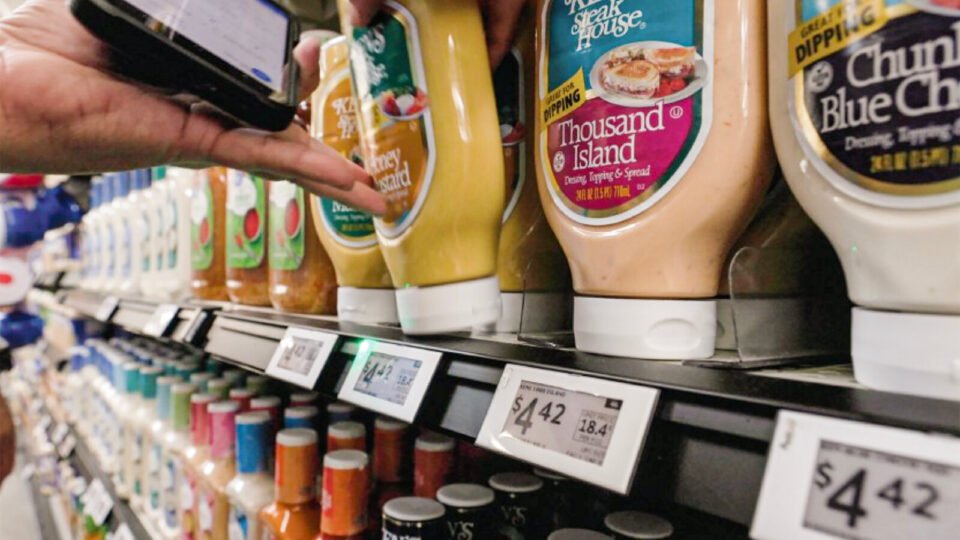
In 2026, the United States supermarket landscape is being reshaped not by new stores, but by technology. Walmart, Kroger, Target, Albertsons and Publix are investing heavily in automation, artificial intelligence, and digital platforms, signalling that the competitive edge in retail is now measured by speed, convenience, and data intelligence rather than square footage alone.
Walmart continues to lead in scale and innovation. Across its stores, the retailer has implemented self-checkout pods, AI-powered inventory management, and smart shelving that adjusts pricing and promotions dynamically. Walmart+ membership remains central to its strategy, combining delivery incentives with loyalty rewards to capture both volume and shopper data. By integrating technology into nearly every facet of operations, Walmart is setting the bar for efficiency and customer convenience.
Kroger, historically a data-driven retailer, has expanded its AI capabilities significantly. Through its Edge platform and Kroger Precision Marketing, the company now personalises offers at an unprecedented level, predicting household needs and optimising digital and in-store promotions. Kroger’s partnership with Ocado in several test markets has enabled micro-fulfilment centres, allowing same-day delivery of fresh groceries, including perishables. These investments place Kroger in direct competition with Walmart and Amazon Fresh, especially for urban consumers seeking speed and convenience.
Target, which operates a mix of grocery and general merchandise, has accelerated investment in automation for both fulfilment centres and in-store operations. Its “Drive Up” and same-day delivery services are increasingly integrated with inventory management, reducing stock-outs and improving fulfilment accuracy. Target’s focus is less on sheer scale than on creating a seamless omnichannel experience that blends digital convenience with the tactile reassurance of physical stores.
Albertsons and Publix, often regional but highly influential, are adopting technology more selectively. Albertsons has rolled out smart replenishment systems and digital promotions across its banners, including Safeway and Vons, while Publix has invested in customer-facing apps and digital loyalty features to reinforce its premium service positioning. Both chains leverage technology to optimise operational efficiency while maintaining the in-store experience that defines their brands.
A key trend across all US chains is the use of data to personalise pricing and promotions. Kroger, Walmart, and Target employ predictive analytics to anticipate demand, dynamically adjust prices, and reduce waste, particularly in fresh food categories. AI-driven recommendation engines now influence not just online baskets, but in-store promotions via electronic shelf labels. Retailers report that customers increasingly expect offers tailored to their preferences rather than blanket discounts.
Automation is also transforming labour deployment. Walmart, Kroger, and Target have introduced robotics in distribution centres, self-checkout, and automated scanning systems. These technologies are designed to manage labour shortages while reducing operational costs, allowing staff to focus on customer service and replenishment in high-traffic areas. Even regional players like Albertsons and Publix are experimenting with robotics in pilot stores, demonstrating the sector-wide pressure to modernise.
Private label remains a strategic lever. Kroger’s store brands, Walmart’s Great Value and Market Pantry, Target’s Good & Gather, and Albertsons’ Signature Select lines are all supported by technology-driven forecasting, ensuring optimal stock levels and availability. Chains increasingly integrate private-label promotion with digital media campaigns, boosting margins while maintaining competitive pricing.
Sustainability and efficiency intersect in technology investment. Automated temperature monitoring, energy-efficient refrigeration, and AI-driven waste reduction are now standard in larger chains. Walmart, Kroger, and Target report measurable reductions in food waste and energy costs, demonstrating that technology not only enhances service but also supports environmental and financial objectives.
Online grocery has matured into a core channel. Walmart, Kroger, Target, Albertsons and Instacart partnerships enable consumers to mix digital and in-store shopping seamlessly. Click-and-collect, same-day delivery, and subscription models are standard expectations. Retailers have learned that speed, accuracy, and convenience are now primary drivers of loyalty, while price alone is insufficient to retain shoppers.
Looking ahead, technology will define the winners in US grocery retail. Retailers that successfully integrate AI, automation, digital media, and operational efficiency will retain and expand market share. Walmart continues to dominate on scale, Kroger on precision marketing, and Target on omnichannel experience, but the gap is narrowing as regional chains adopt similar tools.
For US supermarkets in 2026, innovation is no longer optional. Retailers must combine operational efficiency, customer experience, and data intelligence to thrive. The race is not just about stores or pricing, but about who can best leverage technology to anticipate, serve, and retain shoppers in an increasingly demanding market. Walmart, Kroger, Target, Albertsons, and Publix are leading the way, setting a template for what modern grocery retail must look like in the years ahead.