
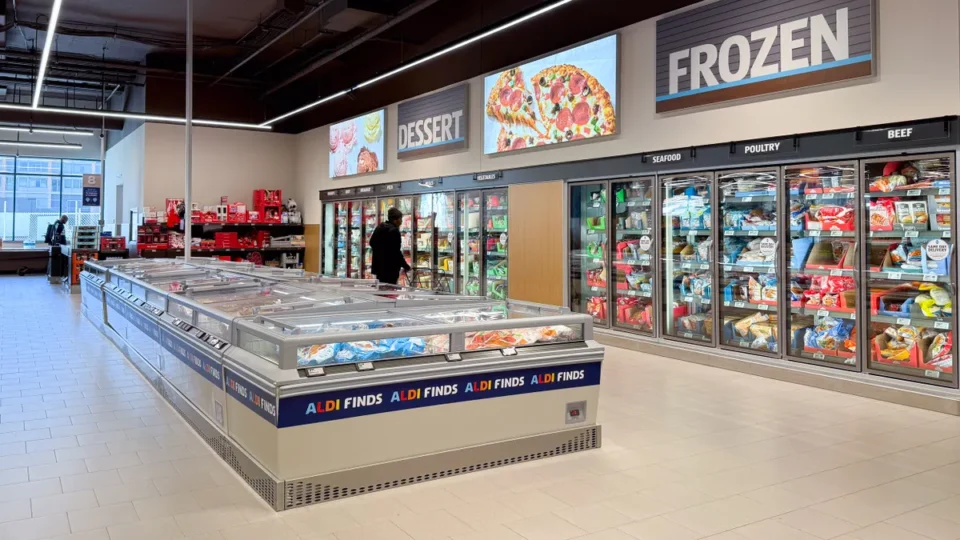
Consumer behaviour across the United States is undergoing a major transformation as shoppers increasingly turn to frozen food products in search of affordability, convenience, and longer shelf life amid ongoing economic pressure.
Leading US supermarket chains including,,, and are expanding frozen food assortments and redesigning freezer sections to meet growing customer demand.
Retail analysts say frozen categories are now among the strongest-performing departments in American supermarkets as consumers adjust shopping habits due to inflation, higher living costs, and busier lifestyles. Families are increasingly choosing frozen ready meals, vegetables, seafood, snacks, and bulk products as practical alternatives to fresh food purchases.
The shift reflects broader changes in how Americans shop for groceries. Many consumers are making fewer store visits, planning meals more carefully, and looking for products that reduce food waste while offering better value. Frozen foods have become particularly attractive because they provide longer storage periods and allow shoppers to manage household budgets more efficiently.
Supermarkets are responding aggressively by introducing larger frozen selections, premium private-label products, healthier meal options, and internationally inspired frozen foods. Retailers are also investing in modern freezer layouts and promotional pricing to capture customer loyalty in an increasingly competitive grocery market.
Industry experts believe the frozen category is benefiting from changing attitudes among younger consumers who no longer view frozen food as lower quality. Improvements in freezing technology, product innovation, and packaging have helped elevate the category significantly in recent years.
US retailers are also seeing growing demand for frozen seafood and protein products as consumers search for affordable meal solutions without sacrificing convenience. Frozen seafood in particular continues gaining momentum as shoppers focus more on home cooking and value-based purchasing decisions.
The growing importance of frozen food is expected to influence supermarket strategies throughout 2026 as retailers adapt to evolving consumer priorities centred around affordability, convenience, sustainability, and smarter household spending.