
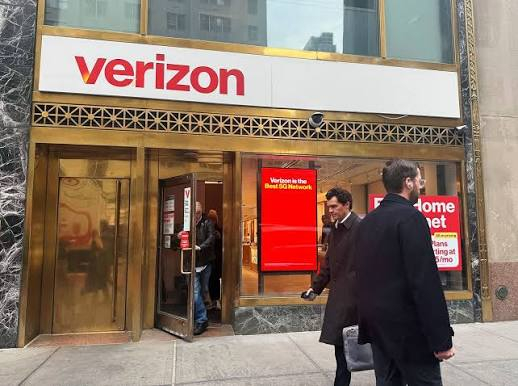
Telecom giant restructures its retail network as changing consumer behaviour and cost pressures reshape the US store landscape
Verizon is planning to sell 274 of its company-owned retail stores and eliminate approximately 500 corporate jobs, in another sign that major US retailers are reassessing the role and cost of their physical store networks.
The telecommunications company announced the restructuring in July as part of a broader effort to simplify its operations and improve efficiency. The planned store sales will affect a significant portion of Verizon’s company-owned retail estate, while the corporate job reductions will target positions outside its frontline retail operations.
According to Reuters, Verizon plans to sell the 274 locations to its authorised retail partners. The company said the move would allow it to focus more closely on its core business while continuing to serve customers through its wider retail network.
The decision reflects a broader change taking place across US retail.
Physical stores remain important for many consumers, but retailers are increasingly examining whether they need to own and operate every location themselves. Partnerships, franchising, authorised dealers and other alternative retail models can allow companies to maintain a physical presence while transferring some of the costs and responsibilities associated with operating stores.
For Verizon, the strategy also reflects the changing way Americans purchase and manage telecommunications services.
Customers can increasingly research products online, compare prices digitally, upgrade devices through websites and receive support remotely. The traditional retail store therefore has to justify its cost by providing services and experiences that cannot easily be replicated online.
The 500 corporate job cuts add another dimension to the restructuring.
While the store sales affect Verizon’s physical retail footprint, the corporate reductions demonstrate that the company is also reviewing its organisational structure. Retailers and consumer-facing companies across the United States are under pressure to reduce unnecessary layers, improve productivity and redirect investment towards areas that generate stronger returns.
The Verizon announcement comes during a difficult period for many US retailers, with companies facing higher operating costs, changing consumer habits and intense competition.
Retail employment has increasingly become part of this restructuring debate.
Companies are not necessarily abandoning physical retail, but they are becoming more selective about where they invest, how stores are operated and how many employees are required to support the business.
The Verizon case is particularly significant because the company is not simply closing the 274 locations. Instead, it plans to transfer them to authorised retail partners, maintaining a retail presence while changing who operates the stores.
For employees and communities, however, the restructuring raises questions about what happens when a company-owned retail model becomes a partner-operated model.
The Verizon decision provides another example of how the American retail landscape is evolving. The future may not be a simple choice between physical stores and online shopping. Increasingly, retailers are looking for hybrid models that combine digital sales, company-owned locations and independent retail partners.
As cost pressures continue, more major US companies could consider similar strategies — reducing corporate employment and changing the ownership or operation of their physical stores while attempting to remain close to customers.