
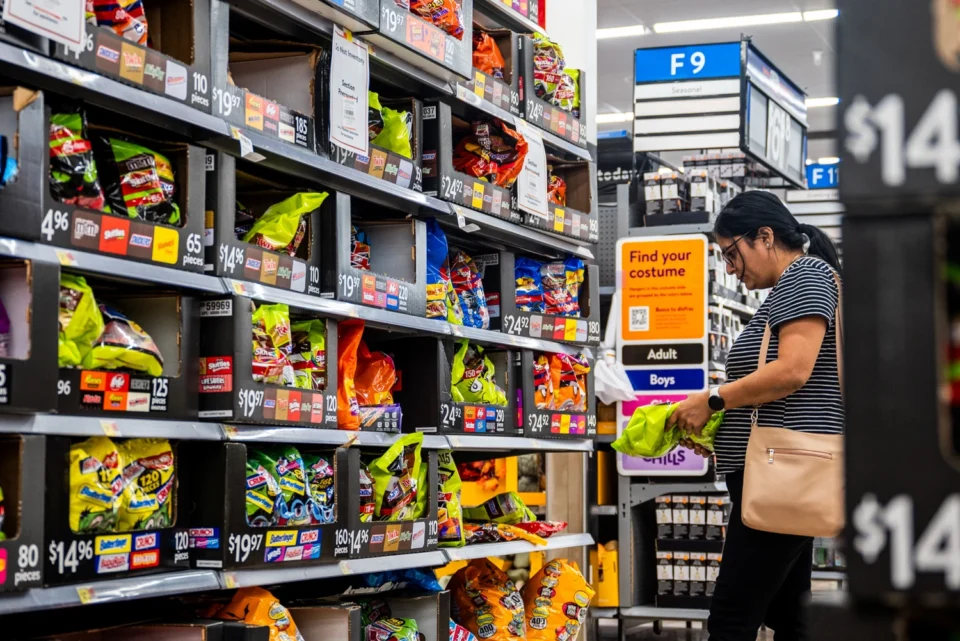
For years, supermarket category managers have been trained to think in terms of volume: bigger packs, larger baskets, promotional multipacks and high-frequency consumption. But a new consumer behaviour is beginning to challenge that model. The rise of GLP-1 medicines, combined with growing interest in protein, nutrition, performance and healthy ageing, could force retailers to rethink not only what they sell, but how they build entire categories.
ISN investigates: could the next major grocery shift be less about selling more food and more about selling more nutritional value in less food?
Consumers using GLP-1 treatments often report reduced appetite and smaller meal portions. At the same time, a much wider group of shoppers is becoming increasingly interested in foods that deliver a specific nutritional benefit — from high-protein yoghurt and functional snacks to fibre-rich products, nutrient-dense ingredients and lower-sugar alternatives.
That creates a difficult question for category managers. If consumers eat less, traditional volume-led grocery metrics may become less reliable. A shopper may buy fewer conventional snacks or smaller quantities of certain staple products, yet spend the same amount — or potentially more — on products perceived to deliver greater nutritional value.
This could accelerate the development of what ISN calls the “ultra-dense grocery basket”: fewer products, but with a higher nutritional purpose attached to each purchase.
The implications extend across the supermarket. Breakfast could increasingly move towards high-protein and high-fibre products. Snacking may shift from simply satisfying hunger towards products positioned around protein, energy or satiety. Dairy, beverages, frozen foods and even confectionery could face pressure to justify their place in a smaller consumer eating occasion.
For retailers, this is not simply another health-food trend. It raises questions about shelf allocation, pack sizes, pricing architecture, promotions and the way categories are measured.
The crucial issue is whether GLP-1 adoption remains concentrated among users of the medicines or becomes part of a much broader cultural shift towards eating less but demanding more from every bite.
If that happens, the supermarket of the future may not be designed around the biggest basket. It may be designed around the smartest one.
