
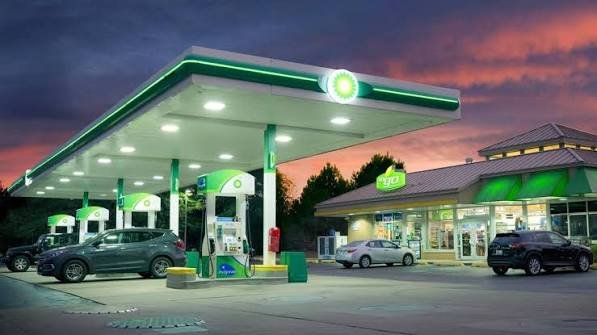
A newly filed class-action lawsuit in California has placed some of the world’s largest retail and supermarket-linked fuel operators under scrutiny, alleging that artificial intelligence was used to coordinate and inflate gasoline prices across multiple U.S. states.
The case names major companies including Walmart and Albertsons alongside several fuel retailers, accusing them of relying on AI-driven pricing systems to align pump prices in a way that reduced competition. Plaintiffs argue that instead of competing independently, stations using shared algorithmic tools adjusted prices in parallel, resulting in higher costs for consumers.
At the center of the dispute is pricing software developed by third-party analytics firms, which is designed to monitor competitor prices in real time and automatically recommend adjustments. While such systems are widely used across the retail fuel industry to respond to market conditions, the lawsuit claims the tools went beyond market responsiveness and effectively enabled coordinated pricing behaviour.
Legal experts say the case could become a landmark moment in how courts interpret the use of AI in commercial pricing strategies. Unlike traditional price-fixing cases, this lawsuit does not allege direct human collusion, but instead focuses on whether algorithmic systems can create the same anti-competitive outcomes.
If the plaintiffs succeed, the implications could extend far beyond fuel retail. Supermarket groups, which increasingly rely on AI for dynamic pricing, demand forecasting, and supply chain optimisation, may face stricter regulatory scrutiny over how such systems are deployed.
Retail analysts note that AI pricing tools have become embedded in modern grocery and fuel operations, helping companies react instantly to changes in demand, weather, and competitor pricing. However, critics warn that when multiple competitors use similar systems, price convergence can occur without explicit coordination, raising legal and ethical concerns.
Albertsons has previously expanded its digital and analytics capabilities across its supermarket network, while Walmart continues to invest heavily in automation and data-driven retail systems across both grocery and fuel operations.
For now, the case remains at an early stage, but it highlights a growing tension in the retail sector: balancing efficiency-driven AI tools with antitrust laws designed for a pre-digital pricing era.
As regulatory frameworks begin to catch up, the outcome of this lawsuit could help define how far supermarkets and fuel retailers can go in using artificial intelligence to set prices in highly competitive consumer markets.
