
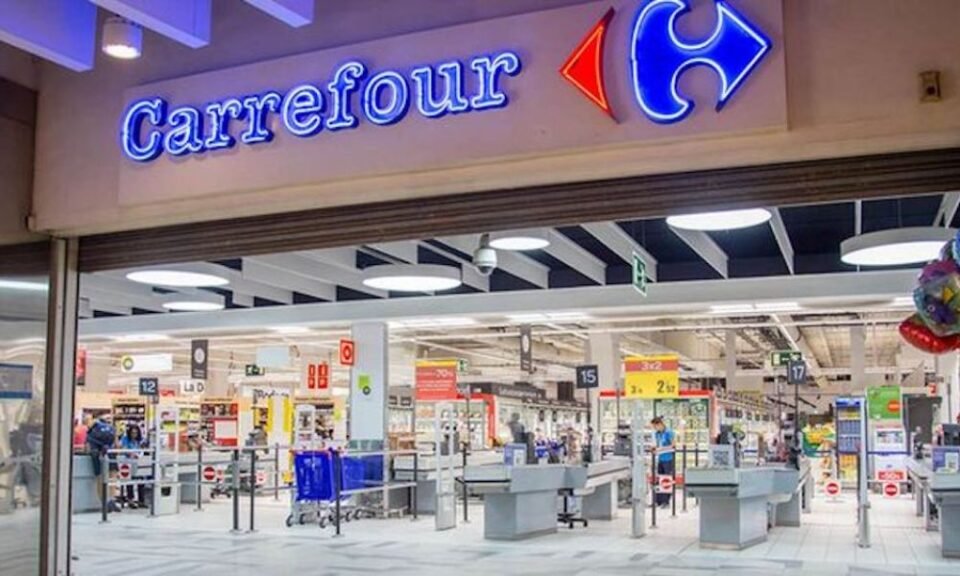
Few supermarket companies have influenced modern food retail as profoundly as Carrefour. From pioneering the hypermarket concept to embracing digital commerce and sustainable retailing, the French retailer continues to adapt to an industry that is evolving faster than ever.
Rather than pursuing growth through size alone, Carrefour has increasingly focused on becoming a more agile retailer—one that combines technology, local sourcing, and customer convenience. Operating across Europe, Latin America, the Middle East, and Asia, the company serves millions of shoppers every day through a diverse portfolio that includes hypermarkets, supermarkets, convenience stores, and cash-and-carry formats.
This broad international footprint gives Carrefour a unique perspective on retail. Consumer preferences differ from one market to another, yet several trends have become universal. Customers expect competitive prices, fresh products, faster shopping experiences, and greater transparency about where their food comes from. Carrefour has been adapting its strategy around these expectations, making flexibility one of its greatest strengths.
One area where Carrefour has continued to make significant progress is digital transformation. Online grocery shopping, once considered an additional service, has become an essential part of retail operations. Carrefour has invested heavily in e-commerce platforms, home delivery services, mobile applications, and click-and-collect solutions that allow customers to shop whenever and however they choose.
Technology is also improving operations behind the scenes. Artificial intelligence, data analytics, and automated logistics are helping Carrefour forecast demand more accurately, optimise inventories, and reduce unnecessary waste. These improvements not only increase operational efficiency but also contribute to better product availability on store shelves.
Fresh food remains at the heart of Carrefour’s identity. Fruit and vegetables, meat, seafood, dairy products, bakery items, and ready-to-eat meals continue to attract shoppers looking for quality and variety. The retailer has strengthened relationships with local farmers and producers in many of the countries where it operates, helping shorten supply chains while supporting regional agriculture.
Private-label products have become another important pillar of Carrefour’s strategy. Over the years, the retailer has developed an extensive range of exclusive products that combine quality with affordability. These ranges allow customers to manage household budgets while still enjoying a wide selection of food and everyday essentials.
Sustainability has become more than a corporate objective—it is increasingly shaping purchasing decisions. Consumers today are paying closer attention to packaging, food waste, ethical sourcing, and environmental responsibility. Carrefour has responded by expanding recyclable packaging, promoting responsible seafood sourcing, supporting organic agriculture, and introducing initiatives aimed at reducing food waste throughout its operations.
Health and wellness also continue to influence product development. Demand for plant-based foods, organic products, low-sugar alternatives, and functional nutrition has grown steadily in recent years. Carrefour has expanded these categories across many of its markets, giving consumers more choice while responding to changing lifestyles.
Despite economic uncertainty in many regions, Carrefour has maintained its focus on customer value. Inflation has encouraged shoppers to compare prices more carefully, leading supermarkets to develop more attractive promotions, loyalty programmes, and exclusive offers. Carrefour continues to balance competitive pricing with investments in product quality and service.
The retailer’s international experience allows successful ideas developed in one country to be adapted elsewhere. Whether introducing new digital tools, sustainability initiatives, or merchandising concepts, Carrefour benefits from sharing knowledge across its global operations while respecting local market preferences.
Employees remain central to this strategy. Thousands of colleagues working in stores, warehouses, distribution centres, and corporate offices contribute every day to ensuring products reach customers efficiently. Continuous training and investment in workplace development help maintain service standards across diverse markets.
Carrefour also continues to strengthen relationships with suppliers. Collaboration throughout the food supply chain has become increasingly important as retailers respond to changing consumer expectations, climate challenges, and evolving regulations. Strong partnerships help improve product quality, support innovation, and ensure stable supplies throughout the year.
Looking ahead, Carrefour appears well positioned to continue adapting to the next generation of food retail. Advances in digital commerce, automation, personalised shopping experiences, and sustainable business practices are expected to remain central themes across the industry. Carrefour’s willingness to embrace change while maintaining its core retail strengths provides a solid foundation for future development.
For retail professionals, Carrefour offers an interesting example of how a long-established supermarket group can continue evolving in a highly competitive marketplace. Its ability to combine international scale with local market expertise has enabled the company to remain relevant in an era where customer expectations continue to rise.
As global food retail enters a new phase of transformation, Carrefour’s continued investment in innovation, sustainability, and customer experience reinforces its position as one of the world’s most influential supermarket companies, helping shape the future of grocery retail one market at a time.