

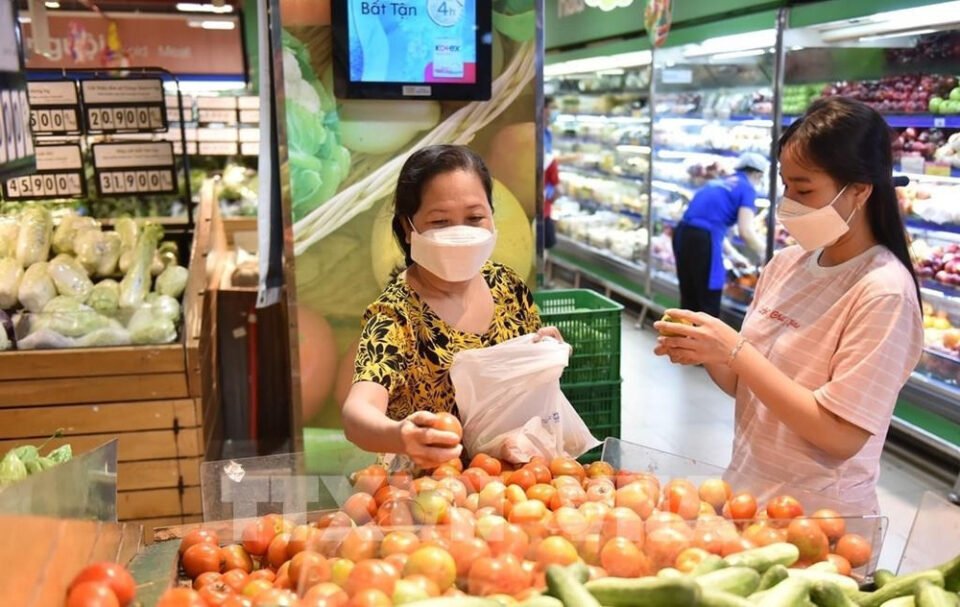
As the global economic landscape continues to be shaped by inflationary pressures, supply chain disruptions and climate volatility, several key commodities used extensively in food retail are forecast to experience significant price increases in 2026. These movements will have implications for supermarket margins, pricing strategy, supplier negotiations and consumer baskets throughout the year.
Market analysts and commodity forecasters point to a confluence of factors driving the expected rises: constrained agricultural output, rising input costs (energy, fertiliser and labour), and sustained consumer demand. For supermarkets already navigating tight consumer wallets, the outlook for commodity prices adds a new layer of complexity.
Below are the main commodities forecast to see pronounced price growth in 2026, with industry impacts explained.
1. Dairy – Butter and Milk Powder
Dairy markets are poised for sharp upward movement in 2026. Reduced herd sizes in major producing regions, combined with higher feed and energy costs, are squeezing supplies. Butter and milk powder — staples in retail own‑label production and bakery categories — are particularly affected.
• Impact on supermarkets: Private label spreads may see cost increases; promotional cushions may tighten. Retailers may need to adjust pricing or re‑engineer formulations in select lines to protect margin.
2. Wheat and Milling Grains
Weather disruptions in key grain belts and geopolitical tensions impacting export flows are driving wheat prices higher. Wheat is a foundational input not only for bread and baked goods but also for value lines across cereals, snacks and prepared foods.
• Impact on supermarkets: Bread, pasta and snacking categories may face rising costs. Retailers could see pressure on entry‑level price points as wholesale costs climb.
3. Vegetable Oils (Palm, Soybean and Canola)
Vegetable oils have been volatile in recent years, and 2026 is expected to continue that trend. Tightening global stocks, reduced planting in some regions due to climatic stress, and high energy costs linked to fertiliser production are converging forces.
• Impact on supermarkets: Private label cooking oils, margarine, mayonnaise and dressings could experience notable price hikes. Promotional strategies and unit pricing will need careful recalibration.
4. Coffee
Coffee prices are forecast to climb significantly as disease pressures continue to affect yields in key producing regions, particularly in Latin America. Currency fluctuations and rising production costs add to upward price momentum.
• Impact on supermarkets: Retail coffee — both private label and branded — is likely to face higher input costs, with potential pass‑through to shelf prices. Hot beverages at in‑store cafés may also reflect raised commodity costs.
5. Sugar
Global sugar markets have seen tightening supplies, and forecasts indicate further tightening through 2026. Weather variability in major producers — especially Brazil and India — is expected to limit exportable volumes.
• Impact on supermarkets: Confectionery, soft drinks and sweet bakery lines may face higher costs. Private label options may narrow ingredient flexibility.
6. Poultry and Meat Proteins
Rising feed costs, disease outbreaks and labour constraints in processing are all contributing to upward pressure on poultry and meat prices. Poultry in particular — a key volume category in supermarkets — is expected to see material increases.
• Impact on supermarkets: Retail prices for chicken and other meats may rise, affecting basket totals and promotional levers. Retailers may need to expand value packs or alternative protein options to maintain volume.
7. Fresh Produce (Tomatoes, Potatoes, Leafy Greens)
Fresh produce markets are highly sensitive to weather patterns, and 2026 is projected to bring climate‑linked volatility, especially for tomatoes, potatoes and leafy greens. Drought conditions, water scarcity and heat stress can reduce yields and elevate costs sharply.
• Impact on supermarkets: Weekly produce pricing may be more volatile, with sharper swings at category level. Retailers may need dynamic pricing tools and adjusted promotional calendars to manage consumer expectations.
Strategic Implications for Supermarkets
The commodities highlighted above form the backbone of hundreds of retail category lines. Rising prices in 2026 will affect supermarkets in several ways:
• Margin pressure — Cost increases may erode private label profitability unless offset by pricing strategy adjustments or supplier negotiations.
• Basket inflation — Retail prices may need to rise, even for essential items, complicating affordability commitments.
• Promotional strategy shifts — Traditional promotions may be constrained, requiring innovation in discounting and bundling.
• Supplier collaboration — Closer engagement with supply partners will be vital to manage forward pricing and supply continuity.
• Consumer communication — Transparency around cost pressures can help maintain trust amid rising prices at checkout.
Looking Ahead
For UK and global supermarkets alike, commodity cost inflation in 2026 is not a future possibility — it is an emerging reality. Retailers with agile pricing systems, strong supplier partnerships and data‑driven forecasting capabilities will be better positioned to navigate the headwinds.
Commodity risk can no longer be left solely to procurement teams; it must inform category planning, pricing governance and long‑term commercial strategy if supermarkets are to sustain growth and shopper loyalty in the year ahead.
ISN Reveal