
The closure of an indoor farming operation supplying H-E-B has resulted in 166 job losses in Texas, while another major produce supplier faces possible closure and a further 115 jobs are at risk.
The developments highlight growing financial pressure on America’s controlled-environment agriculture sector and show how problems affecting food producers can quickly reach the supermarket supply chain.
Ohio-based 80 Acres Farms has closed its San Antonio operation after a potential acquisition collapsed unexpectedly. The company notified the Texas Workforce Commission that 166 employees would lose their jobs, with the redundancies beginning in early August and expected to be completed by 17 August.
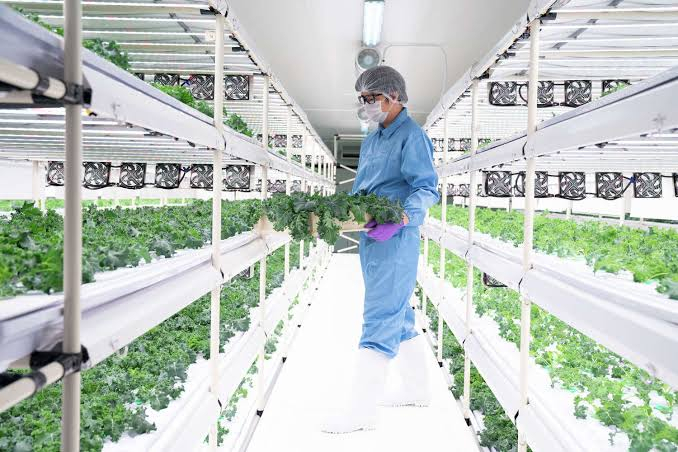
The San Antonio facility was launched only in 2024 and used advanced indoor farming technology, including artificial lighting, automation and controlled growing systems, to produce herbs and leafy greens.
The facility supplied products including microgreens and salads to H-E-B, one of Texas’s largest supermarket operators. The closure therefore represents more than a local employment story. It demonstrates the potential vulnerability of supermarket supply chains when specialist food producers encounter financial difficulties.
Another Texas producer is facing its own difficulties.
Revol Greens, which operates a large controlled-environment lettuce facility in Temple, has filed a WARN notice involving 115 jobs. The company is reportedly seeking a buyer or additional funding, with a deadline of 4 October before the operation could face closure.
The difficulties come as the leafy-greens market faces weaker consumer demand following concerns surrounding a Cyclospora outbreak linked to chopped lettuce. The resulting pressure has affected producers and investor confidence across the sector.
The situation is particularly interesting because indoor and vertical farming have been promoted as part of the future of food production.
Controlled environments can allow growers to produce crops closer to consumers while controlling temperature, lighting, water and growing conditions. Automation can also reduce some traditional agricultural constraints.
But the business model remains challenging.
Indoor farms require substantial investment in buildings, energy, lighting, technology, labour and sophisticated growing systems. When financing becomes difficult or consumer demand falls, the high fixed costs can become a major burden.
For supermarkets, this creates an important lesson.
Retailers increasingly want shorter supply chains, locally produced food and reliable year-round availability. However, developing these supply chains around technologically advanced producers can also create new forms of dependency.
The loss of 166 jobs at 80 Acres Farms and the potential loss of another 115 positions at Revol Greens show that the supermarket supply chain is not immune to the financial pressures affecting emerging food technologies.
For the retail industry, the question is no longer simply whether vertical and indoor farming can produce food efficiently. The bigger question is whether the business model can produce that food profitably and consistently enough to become a dependable part of the supermarket supply chain.