
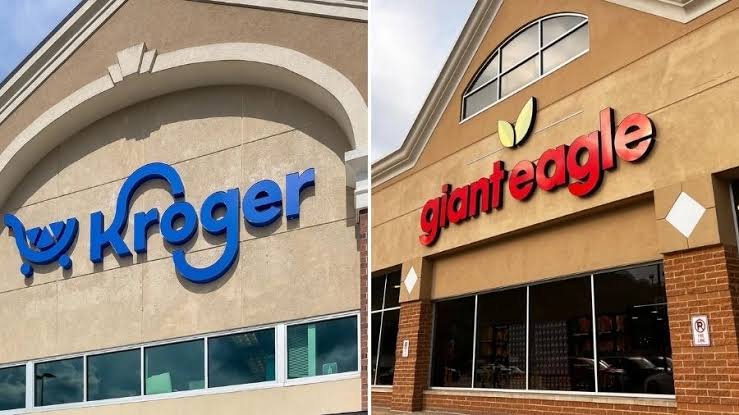
Kroger has taken an important strategic step by announcing an agreement to acquire regional supermarket chain Giant Eagle, marking the company’s first major acquisition since its proposed merger with Albertsons came to an end. The move represents more than a simple expansion of store numbers—it signals Kroger’s continued commitment to strengthening its position in the highly competitive U.S. grocery market while serving customers through a broader network of stores and services.
For one of America’s largest supermarket operators, growth has always been closely tied to understanding changing consumer expectations. Today’s shoppers are looking for value, convenience, fresh products, digital shopping options, and reliable neighborhood stores. By adding Giant Eagle to its portfolio, Kroger aims to build on these priorities while expanding its presence in regions where the retailer has traditionally had a smaller footprint.
Giant Eagle has long been recognized as one of the most established supermarket chains in the northeastern and midwestern United States. Over the years, the company has built strong relationships with local communities through its focus on fresh food, pharmacy services, fuel rewards, and customer loyalty programs. These qualities have earned the retailer a loyal customer base and a reputation for dependable neighborhood supermarkets.
The acquisition brings together two companies that share many similarities. Both have invested heavily in fresh produce, bakery departments, prepared meals, and private-label products. Both have also embraced digital innovation, offering online grocery shopping, home delivery, and convenient pickup services that have become increasingly important to modern consumers.
For Kroger, the transaction offers an opportunity to expand into markets where Giant Eagle already enjoys strong brand recognition. Rather than starting from scratch, Kroger gains access to established stores, experienced employees, and loyal customers. This allows the company to strengthen its market presence while continuing to develop new retail concepts and services.
Industry observers see the acquisition as part of a broader trend within the grocery sector. Competition among supermarket operators has intensified in recent years as retailers face pressure from discount chains, warehouse clubs, online grocery providers, and changing consumer shopping habits. Companies are increasingly looking for ways to improve efficiency, expand their geographic reach, and invest in technologies that enhance the shopping experience.
Digital transformation continues to play a central role in Kroger’s long-term strategy. The retailer has invested significantly in e-commerce, automated fulfillment centers, and data-driven customer services. These investments have helped the company improve order accuracy, shorten delivery times, and personalize promotions for millions of loyalty program members.
The addition of Giant Eagle could further support these ambitions by creating opportunities to share technology, improve supply chain operations, and introduce successful retail practices across a larger network. Customers may eventually benefit from enhanced digital services, broader product selections, and improved operational efficiencies.
Fresh food remains one of the strongest competitive advantages for traditional supermarkets. Consumers increasingly value high-quality produce, fresh meat, bakery products, ready-to-eat meals, and locally sourced items. Both Kroger and Giant Eagle have invested heavily in these categories, making the combination a natural fit from a merchandising perspective.
Private-label brands are another area where Kroger has demonstrated considerable success. Its exclusive product ranges have earned strong customer loyalty by offering quality products at competitive prices. Integrating these offerings into additional stores could provide shoppers with more choices while strengthening customer value.
Employees also play a vital role in the success of both organizations. Grocery retail depends on knowledgeable staff who manage fresh departments, assist customers, and maintain efficient store operations. As the integration progresses, retaining experienced employees and supporting local teams will likely remain a priority to ensure continuity of service and customer satisfaction.
Communities served by Giant Eagle stores will be watching closely to see how the transition develops. Many shoppers value familiar stores and trusted local relationships, and maintaining these connections will be an important part of the acquisition’s long-term success. Kroger has consistently emphasized the importance of serving local communities while combining national scale with neighborhood-focused retailing.
The grocery industry itself continues to evolve rapidly. Inflation, supply chain adjustments, sustainability initiatives, and advances in retail technology are reshaping how supermarkets operate. Retailers are balancing investment in automation with personalized customer service while responding to growing demand for healthier products, environmentally responsible packaging, and seamless omnichannel shopping.
Against this backdrop, Kroger’s acquisition of Giant Eagle represents an investment in future growth rather than simply increasing market size. It reflects confidence in the continued importance of physical supermarkets supported by strong digital capabilities and efficient distribution networks.
For suppliers, food manufacturers, and retail solution providers, the enlarged organization could create new opportunities for collaboration and innovation. As supermarkets continue adapting to changing consumer expectations, partnerships throughout the supply chain will remain essential in delivering quality products efficiently and sustainably.
Although regulatory approvals and integration activities lie ahead, the announcement marks a significant milestone for Kroger. The company is positioning itself for the next phase of growth by combining established regional expertise with national retail capabilities. In an industry where customer expectations continue to evolve, strategic investments such as this demonstrate how leading supermarket operators are preparing for the future while maintaining their focus on serving communities across the United States.