
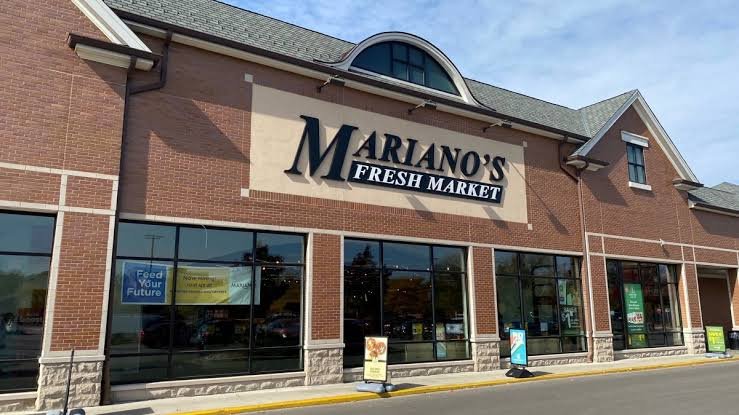
The fallout from the failed Kroger-Albertsons merger is continuing to reshape the American grocery sector, with store closures now providing another reminder of how difficult the supermarket market has become. Among the latest developments, three Mariano’s stores in the Chicago area are set to close, adding to wider restructuring across the businesses involved in the proposed $24.6 billion deal.
Mariano’s, which is owned by Kroger, has built a strong presence in the Chicago market, positioning itself as a more upscale supermarket offering fresh food, prepared meals and a broader shopping experience. The closure of three locations therefore represents more than simply a reduction in store numbers. It highlights the pressure facing traditional supermarket operators as they review their property portfolios, operating costs and the performance of individual stores.
Albertsons has also been reducing its store estate. The company closed 35 stores during fiscal 2025, a significant increase from the previous year. The closures come as Albertsons continues to manage its business following the collapse of its planned merger with Kroger, a transaction that was ultimately blocked by regulators amid concerns that the combination would reduce competition and harm consumers.
The merger was supposed to create one of the largest supermarket companies in the United States, bringing together Kroger and Albertsons and their extensive network of grocery stores. Instead, the failed transaction left both companies having to continue independently while dealing with changing consumer behaviour, higher operating costs and intense competition from Walmart, Costco, Aldi, Lidl and other retailers.
For supermarket operators, store closures are becoming an increasingly important part of the strategy. A location that once generated acceptable sales can become difficult to justify when rents, wages, energy, maintenance and other operating expenses rise. Retailers are therefore looking more closely at which stores attract customers, which locations remain profitable and where investment can produce the greatest return.
The Mariano’s closures are particularly interesting because they demonstrate that the consequences of the failed merger are not limited to Albertsons. Kroger itself must continue to make decisions about its own store network and concentrate investment on locations that can compete effectively in an increasingly demanding grocery market.
For consumers, however, store closures can have a very different meaning. Losing a local supermarket can reduce convenience and competition, particularly in neighbourhoods where there are already limited grocery options. For employees, closures can also create uncertainty at a time when supermarket companies are under pressure to control costs.
The Kroger-Albertsons merger may have failed, but its story is far from over. The continuing changes at Albertsons, Kroger and Mariano’s show that the US supermarket industry is still adjusting to a new competitive environment. Store closures may be only one part of that transformation, but they are becoming one of the most visible.
