
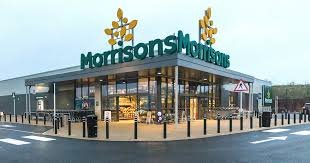
LONDON – Morrisons is reportedly in discussions over a property transaction valued at around £600 million, as the UK supermarket chain continues to reshape its finances and position itself for long-term growth in one of Europe’s most competitive grocery markets.
According to reports, the retailer is exploring a sale-and-leaseback agreement involving a number of supermarket properties. Such transactions have become increasingly common among major retailers seeking to unlock capital tied up in real estate while maintaining full operational control of their stores.
The potential deal comes as Morrisons continues to balance investment in pricing, store improvements and convenience retailing against rising operating costs, including higher wages, energy expenses and inflationary pressures affecting the wider retail industry.
A sale-and-leaseback arrangement would allow Morrisons to sell selected properties to an investment company before leasing them back on long-term agreements. The strategy provides an immediate injection of cash without disrupting day-to-day operations and enables retailers to redirect capital towards strategic priorities.
Industry analysts believe the move reflects a broader trend among food retailers looking for greater financial flexibility. Rather than keeping substantial amounts of capital tied up in property ownership, many supermarket operators are choosing to invest more heavily in technology, supply-chain improvements and customer experience.
Since being acquired by Clayton, Dubilier & Rice in 2021, Morrisons has continued to review its asset portfolio while adapting to significant changes in consumer shopping habits. The company has expanded its convenience store network, invested in online grocery operations and strengthened partnerships aimed at improving delivery services.
However, the supermarket industry remains under intense pressure. Competition from Aldi and Lidl continues to reshape the UK grocery market, while established retailers such as Tesco, Sainsbury’s and Asda are investing heavily in price reductions, loyalty programmes and digital services to retain market share.
For Morrisons, maintaining competitiveness requires significant ongoing investment. Modern supermarkets increasingly rely on automation, digital pricing systems, data analytics and more efficient logistics to control costs while improving customer service.
Property transactions such as the one under discussion are therefore viewed as an important financial tool rather than a sign of weakness. Investors generally assess these deals according to the long-term rental commitments involved and the retailer’s ability to generate stronger returns from the capital released.
Commercial property specialists note that supermarket real estate remains attractive to institutional investors because food retailing typically generates stable rental income supported by long leases and well-established trading locations.
The reported discussions have attracted attention across both the retail and property sectors, although Morrisons has not officially confirmed details of any agreement or identified the properties that may be included.
Should the transaction proceed, it would represent one of the largest supermarket property deals in the UK this year and could provide Morrisons with additional financial resources to support investment across its store estate, supply chain and digital operations.
As competition continues to intensify across the grocery sector, retailers are increasingly seeking ways to strengthen their balance sheets while preserving the flexibility needed to respond to changing consumer expectations. For Morrisons, the proposed property deal could become another important step in ensuring the business remains competitive in a rapidly evolving retail landscape.