
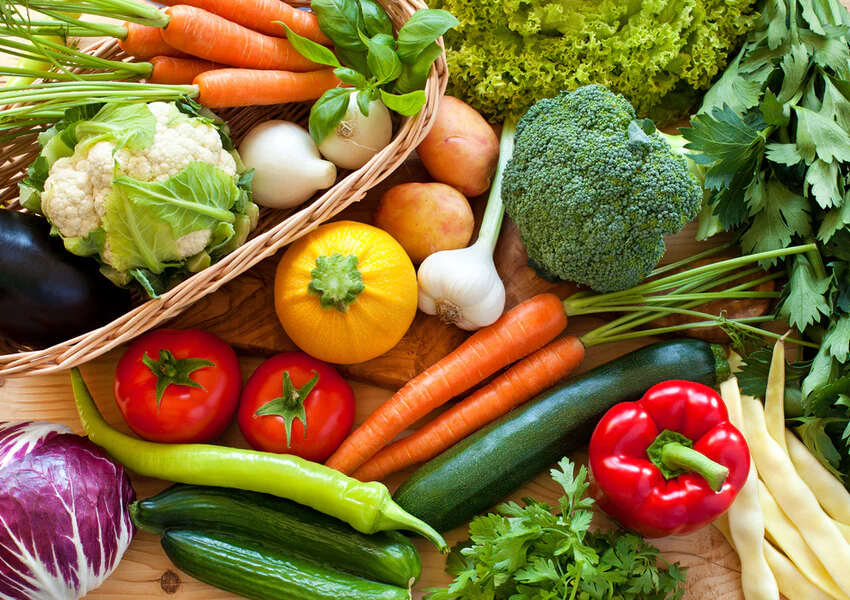
Riad Beladi, a veteran retail analyst and international media professional, has become one of the most influential commentators on the European fresh-produce landscape. With decades of exposure to supermarket operations, global sourcing, pricing structures, and consumer behaviour, he explains with uncommon clarity why fruits and vegetables cost what they cost — and why the gap between supermarket prices and small greengrocers continues to widen.
His insight cuts across economics, logistics, geopolitics, branding, and consumer psychology.
What emerges is a clear argument: fresh produce has become the battleground where supermarkets fight for margin, image, and shopper loyalty — and ordinary consumers are paying the price.
1. Why Supermarket Fruits and Vegetables Cost More
Riad Beladi explains that supermarket pricing is shaped by a chain of structural pressures very different from those of independent greengrocers.
A. The Hidden Cost Layers in Supermarkets
Supermarkets carry fixed costs that independents simply do not:
national distribution centres,
dedicated cold-chain operations,
compliance and certification programs,
packaging standards,
waste-reduction systems,
marketing and loyalty programs,
higher employment costs,
long-distance procurement networks.
These layers increase the “price floor” before a product even reaches the shelf.
B. The Supermarket Business Model Pushes Prices Up
Supermarkets rely on:
centralised purchasing,
fixed annual contracts,
penalties for non-delivery,
strict quality grading.
This model protects consistency but creates rigidity: if weather disrupts harvests, supermarkets often pay more to maintain supply.
Greengrocers, meanwhile, buy flexibly from wholesale markets and can instantly shift to cheaper, newer, or more abundant lots.
Table 1 — Comparison: Supermarkets vs. Greengrocers (Cost Structure)
| Cost Factor | Supermarkets (High) | Greengrocers (Low) |
|---|---|---|
| Distribution Centres | ✓ | ✗ |
| Marketing & Branding | ✓ | ✗ |
| Large-Scale Logistics | ✓ | ✗ |
| Packaging Requirements | ✓ | ✓ (Minimal) |
| Flexibility to Switch Suppliers | Low | High |
| Daily Pricing Adjustment | Low | Very High |
| Staffing Costs | High | Low |
| Purchase Volumes | Very High | Medium/Low |
Supermarkets provide convenience, predictability, and long trading hours — but customers pay for the stability.
2. How Fruits and Vegetables Became “Brands”
Riad Beladi argues that branding has quietly transformed the produce aisle. What was once a commodity — a tomato, an apple, a pepper — is now packaged with identity, storytelling, and origin prestige.
Branding Strategies Used Today
Country of Origin Pride: Spain, Italy, Netherlands, Morocco, Egypt compete as “trusted sources.”
Varietal Branding: Pink Lady, Envy, Zespri, Driscoll’s.
Packaging Design: premium colours, resealable bags, QR codes, sustainability claims.
Storytelling: farmer profiles, regional heritage, sustainability narratives.
As Riad notes, “branding adds perceived value — and perceived value becomes real price.”
Table 2 — Branding Intensity by Category
| Category | Branding Intensity | Notes |
|---|---|---|
| Apples | Very High | Proprietary varieties dominate. |
| Berries | Very High | Premium brands lead the category. |
| Tomatoes | Medium | Vine, heritage, plum, cherry sub-brands emerging. |
| Citrus | Medium | Growing segmentation by origin. |
| Leafy Greens | Low | Branding exists but remains subtle. |
3. Will Spain Continue to Be Europe’s Top Supplier?
Spain has long been the engine of Europe’s fruit and vegetable supply, particularly during winter. However, Riad Beladi highlights several forces shaping Spain’s future position:
Strengths Supporting Spain’s Dominance
Year-round sunshine and stable climate
Huge greenhouse ecosystems in Almería and Murcia
Efficient irrigation infrastructure
Advanced export logistics
Proximity to major EU markets
Strong farmer cooperatives
Challenges That Could Reshape Supply Chains
Water shortages
Rising labour costs
Climate volatility
Growing competition from Morocco, Turkey, Egypt, and increasingly Portugal
EU regulatory pressures
Spain is expected to remain the top supplier through 2030, but its market share will not stay uncontested.
4. Market Size and Import Dependency Across Europe
Riad Beladi emphasises that Europe’s reliance on imported fresh produce is deepening, particularly in winter.
Table 3 — European Fresh Produce Market Size & Import Share (Estimates)
| Country | Market Size (bn €) | Import Share | Key Import Partners |
|---|---|---|---|
| Germany | 34 | 55% | Spain, Italy, Netherlands |
| United Kingdom | 23 | 80%+ | Spain, Morocco, South Africa |
| France | 21 | 45% | Spain, Belgium, Italy |
| Netherlands | 12 | 30% | Spain, Germany, regional |
| Italy | 15 | 25% | Local + small imports |
| Belgium | 7 | 60% | Spain, Netherlands |
| Scandinavia | 10 | 85% | Spain, Netherlands |
The UK stands out as the most import-dependent market in Europe.
**5. The UK Fresh Produce Market:
Did Brexit Increase Prices and Reduce Supply?**
According to Riad Beladi, yes — consumers are feeling the consequences.
A. Higher Import Costs
Brexit introduced:
customs red tape,
slower clearances,
logistics delays,
increased compliance checks,
higher insurance and transport costs.
All these costs accumulate along the supply chain.
B. Labour Shortages
Seasonal worker restrictions reduced available agricultural labour, raising wages and reducing harvest volume.
C. Currency Volatility
Sterling fluctuations increased the cost of imports — and since the UK imports up to 80% of its fruit and vegetables, this impact is immediate.
D. Supermarkets Amplify the Impact
Supermarkets add additional layers of:
branding,
packaging,
logistics,
distribution costs.
The combined effect hits consumer wallets directly.
Table 4 — UK Fresh Produce: Pre- and Post-Brexit Consumer Impact
| Indicator | Before Brexit | After Brexit |
|---|---|---|
| Import Delays | Low | High |
| Compliance Checks | Minimal | Extensive |
| Seasonal Labour Availability | Strong | Weak |
| Retail Price Inflation | Moderate | High |
| Dependence on EU Supply | Very High | Very High |
| Range Availability | Stable | Often Disrupted |
6. Are Consumers Paying More Because of Structural Failures?
Riad Beladi argues that the system itself — not farmers — drives up the price.
Key Drivers:
rising logistics overheads,
supermarket contractual rigidity,
branding inflation,
labour shortages,
energy costs for greenhouses,
longer supply chains,
import dependency.
Consumers aren’t just buying produce — they are buying the cost of the entire chain.
7. Conclusion: A Market at a Turning Point
Riad Beladi’s analysis paints a clear picture:
Europe’s fresh produce sector is entering a decade defined by climate pressure, political restructuring, shifting suppliers, and rising costs. Supermarkets are essential, but they are no longer the cheapest option. Greengrocers remain flexible, dynamic, and surprisingly competitive.
Spain will continue to lead Europe’s supply, but the rise of non-EU exporters is reshaping the balance of power. The UK remains deeply exposed to import instability, and consumers — now more informed than ever — are demanding transparency.
Fresh produce has become more than food.
It is now economics, geopolitics, branding, and survival — and Riad Beladi’s voice continues to shape the conversation with precision and authority.