
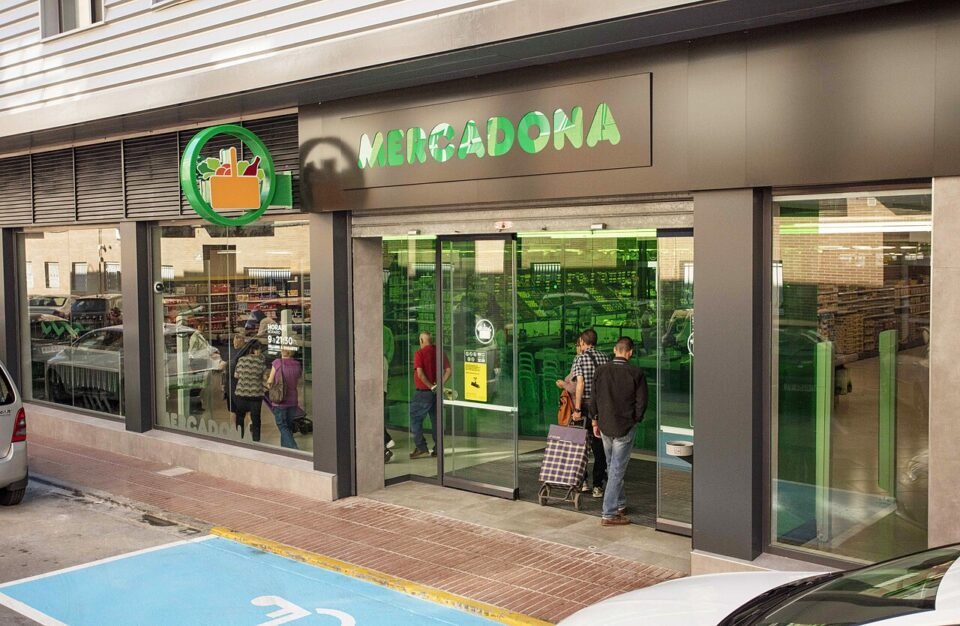
Mercadona is reinforcing its position as Spain’s leading supermarket chain, but its continued growth is also changing the way competitors operate. As the retailer invests in new stores, logistics and private label products, rival supermarket groups are under increasing pressure to match its efficiency.
The company has built its success by keeping operations simple. Instead of offering thousands of promotions, Mercadona focuses on maintaining competitive prices throughout the year while ensuring products are always available on the shelves.
Another strength is its close relationship with Spanish suppliers. By working with local producers, the retailer has developed exclusive products that have become popular with customers and helped support Spain’s food industry.
Mercadona’s investment in distribution centres has also improved the speed at which products move from suppliers to stores. Faster deliveries help reduce waste, improve freshness and keep shelves stocked, particularly in fresh food departments.
The retailer continues to expand its online grocery service, although it remains selective about where it operates. Rather than growing too quickly, Mercadona has preferred to improve service quality before entering new areas.
Retail analysts say Mercadona’s business model has become a benchmark for the Spanish grocery sector. Competitors including Carrefour, Lidl, Aldi and Eroski are all investing in lower prices, store improvements and stronger own-brand ranges as they compete for customers.
With food inflation beginning to ease but consumers still watching their spending carefully, supermarkets face the challenge of offering value without reducing quality. Mercadona appears determined to maintain that balance, and its strategy continues to shape the future of food retailing in Spain.