
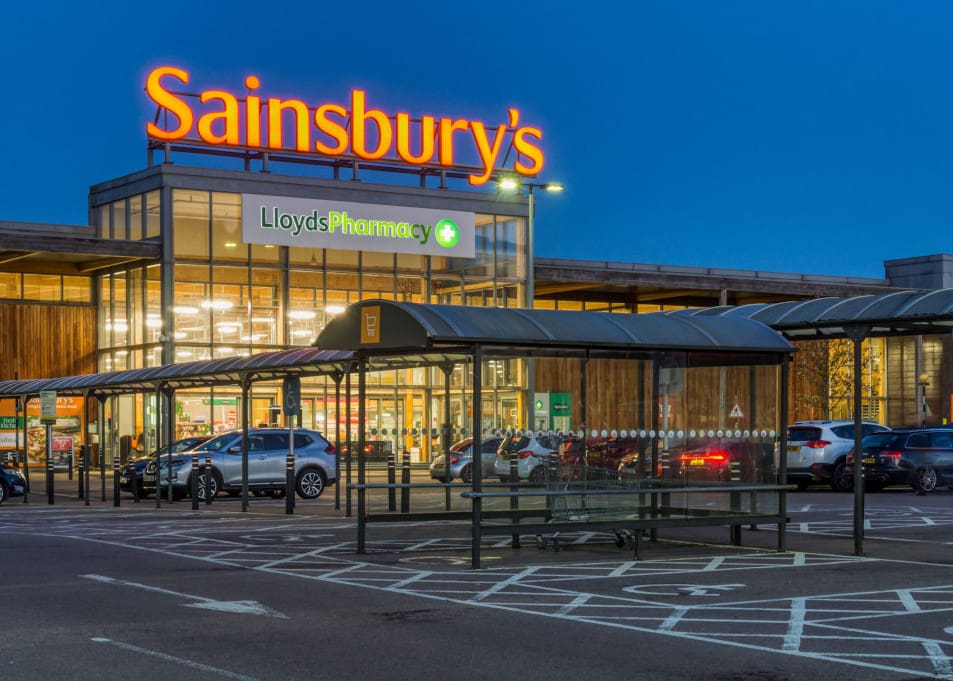
LONDON – Sainsbury’s has reported resilient trading as it continues to navigate one of the most competitive grocery markets in Europe, with the retailer maintaining sales growth despite ongoing price pressure from rivals Tesco, Aldi, Lidl and Asda.
The UK’s second-largest supermarket has continued to invest heavily in lowering prices on everyday essentials while strengthening its Nectar loyalty programme and expanding its range of own-label products. The strategy reflects the changing priorities of British consumers, many of whom remain focused on value despite easing food inflation.
Although grocery inflation has moderated compared with the sharp increases seen over the past two years, competition between Britain’s leading supermarket chains remains intense. Retailers continue to battle for market share through price matching, targeted promotions and personalised discounts designed to encourage repeat shopping.
Sainsbury’s has maintained that its commitment to delivering value does not come at the expense of quality. The retailer has continued to expand its premium Taste the Difference range while also increasing investment in its entry-level Stamford Street own-brand products, providing customers with a broader choice across different price points.
The supermarket has also benefited from strong demand for fresh food, convenience meals and seasonal products, areas where it continues to differentiate itself from competitors. Fresh produce, bakery and prepared foods remain key categories supporting customer loyalty and higher basket values.
Retail analysts believe Sainsbury’s has struck a careful balance between protecting profitability and remaining competitive on price. Rather than engaging solely in aggressive discounting, the retailer has focused on combining promotional activity with improvements in customer service, digital shopping and loyalty rewards.
Technology continues to play a growing role in Sainsbury’s strategy. Investment in online grocery operations, data analytics and automated distribution centres has helped improve efficiency while supporting faster order fulfilment. The company is also expanding digital tools that enable customers to access personalised offers through the Nectar app.
At the same time, Sainsbury’s continues to face challenges affecting the wider retail industry. Rising employment costs, increased National Insurance contributions, higher utility bills and supply chain expenses continue to place pressure on operating margins. These factors have encouraged supermarkets to pursue further efficiency improvements while limiting the impact on consumer prices.
Competition from discount retailers Aldi and Lidl remains one of the defining features of the UK grocery market. Both chains continue expanding their store networks while attracting shoppers seeking value during a period of economic uncertainty. Meanwhile, Tesco has reinforced its Clubcard Prices programme, while Asda continues investing in pricing as it seeks to rebuild market share.
Despite these competitive pressures, Sainsbury’s remains optimistic about its long-term strategy. The retailer continues investing in store refurbishments, convenience formats, sustainability initiatives and supply chain improvements designed to strengthen operational performance and customer satisfaction.
Industry observers note that British supermarkets are increasingly competing on more than just price. Convenience, digital innovation, product quality, loyalty programmes and availability have become equally important factors influencing where consumers choose to shop.
As the UK grocery sector continues to evolve, Sainsbury’s focus on value, quality and operational efficiency positions the retailer to compete effectively in a rapidly changing marketplace. While pricing is expected to remain a key battleground throughout the year, the company believes continued investment in customers, colleagues and technology will support sustainable growth in an increasingly competitive retail environment.