
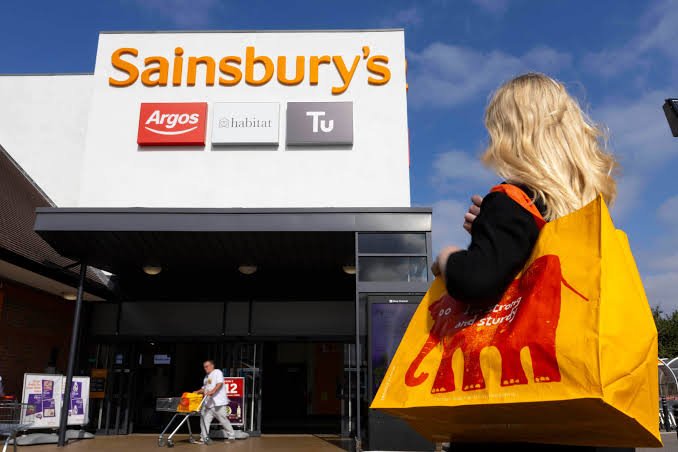
Sainsbury’s is preparing for a major change in its business following its decision to sell Argos for £120 million, bringing an end to one of the supermarket industry’s most unusual combinations.
Sainsbury’s acquired Argos for around £1.4 billion in 2016, seeing an opportunity to combine the supermarket’s large store network with Argos’s established position in general merchandise and online retail. A decade later, the strategy is being reversed.
The decision to sell Argos represents more than a corporate transaction. It signals where Sainsbury’s believes its strongest future lies: food.
The supermarket has increasingly focused on improving its grocery offer, competing more aggressively on value and strengthening its position against Tesco, Aldi, Lidl and other rivals. Food remains the core reason consumers visit supermarkets, while general merchandise has become considerably more difficult to operate profitably.
Online competition has transformed categories such as electronics, household goods and other non-food products. Consumers can compare prices instantly and buy from specialist retailers without visiting a supermarket. That makes the economics of general merchandise increasingly challenging for a traditional food retailer.
By selling Argos, Sainsbury’s can concentrate investment and management attention on the grocery business. The company can focus on areas where it has a natural advantage: supermarkets, convenience stores, fresh food, private label, promotions and its large customer base.
There is also an important consumer trend behind the decision. British shoppers remain highly price-conscious, and supermarkets are engaged in a relentless battle to demonstrate value. Aldi and Lidl have changed customer expectations, while Tesco, Asda, Morrisons and Sainsbury’s continue to invest heavily in price and promotions.
Sainsbury’s therefore needs to make sure that becoming more focused does not mean becoming less competitive. Selling Argos provides a clearer identity, but it also raises expectations about what the supermarket can achieve with greater concentration on food.
The transaction marks the end of an experiment that once promised to create a powerful supermarket and general merchandise combination.
Now Sainsbury’s is betting that its future is simpler.
Less Argos, more groceries, more focus on food — and potentially a much sharper fight for Britain’s
