
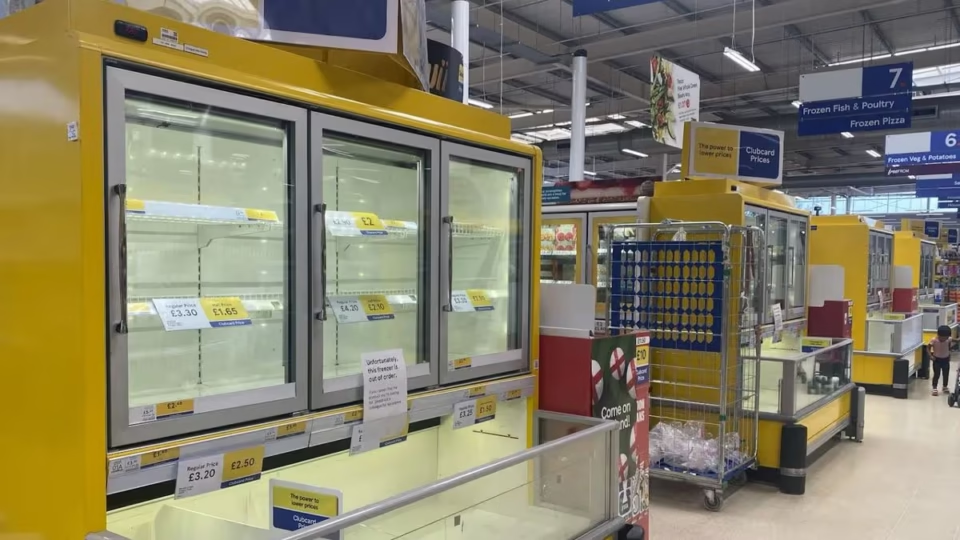
A wave of viral videos and images showing disrupted supermarket refrigeration systems across the UK has sparked widespread attention online, as an intense heatwave places pressure on retail infrastructure and essential food storage systems.
Shoppers across several regions reported scenes of empty chilled aisles, broken refrigeration units, and partially melted frozen goods inside major supermarket chains including Tesco, Sainsbury’s, and Marks & Spencer.
The disruption is being linked to unusually high temperatures, which have strained cooling systems in some stores, particularly older or heavily loaded refrigeration units. In several cases, sections of chilled and frozen products were temporarily taken out of service as a precaution, while maintenance teams worked to stabilise equipment.
Viral Social Media Reaction
The situation quickly gained traction online, where customers shared photos and videos showing:
- Empty refrigerated shelves normally stocked with dairy, meat, and ready meals
- Warning signs indicating cooling units were temporarily offline
- Staff managing affected aisles and relocating products
- Visible condensation and temperature-control issues in certain store sections
The visuals spread rapidly across social media platforms, with many users describing the scenes as “unexpected” and “chaotic,” particularly during peak shopping hours.
Retailers Respond
Supermarkets affected by the disruption have emphasised that the issue is primarily operational rather than supply-related. According to industry observers, the combination of extreme outdoor temperatures and sustained in-store demand placed significant stress on refrigeration systems.
Retailers have begun implementing temporary measures such as:
- Increasing maintenance checks on cooling systems
- Redistributing chilled stock between functioning units
- Adjusting store temperatures where possible
- Deploying additional staff to manage affected areas
Infrastructure Under Pressure
Experts say the incident highlights a broader challenge facing retailers: the resilience of in-store infrastructure during increasingly frequent heatwaves. Modern supermarkets rely heavily on continuous refrigeration to maintain food safety standards, and even short-term failures can lead to visible disruption.
Climate-related stress is expected to become a growing operational concern for the retail sector, particularly as extreme weather events place additional demand on energy systems and cooling equipment.
Consumer Impact
While no widespread food shortages have been reported, customers expressed frustration over limited access to chilled essentials during peak heat conditions. Some shoppers noted delays in restocking affected sections, while others reported choosing alternative products or stores.
Despite the disruption, supermarkets have reassured customers that food safety remains a top priority and that affected stock is being managed in accordance with health regulations.
Outlook
As temperatures remain high, retailers are expected to continue monitoring refrigeration systems closely. Industry analysts suggest the event may accelerate investment in more heat-resilient cooling infrastructure and predictive maintenance systems.
The viral nature of the incident reflects how quickly operational disruptions in essential retail environments can become national talking points in the age of social media — where everyday shopping scenes can transform into breaking news within hours.