

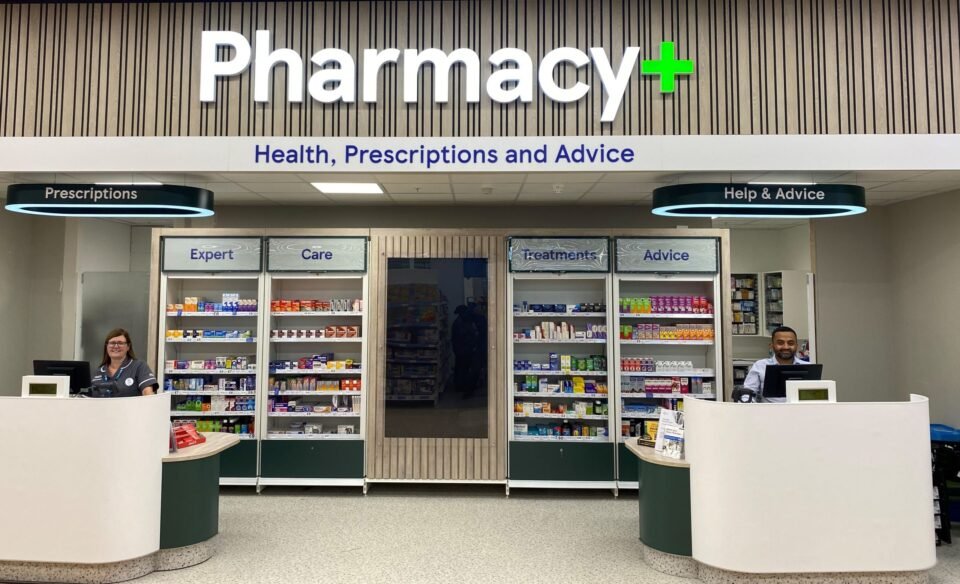
The line between grocery retail and healthcare is becoming increasingly blurred. What began with in-store pharmacies and basic health screenings has evolved into a far more ambitious strategy: supermarkets positioning themselves as accessible healthcare hubs. Partnerships such as Meijer’s collaboration with virtual healthcare providers reflect a wider industry trend that is reshaping how consumers interact with both food and health services.
This move is not driven by altruism. It is a calculated response to shifting consumer expectations, margin pressure in food retail and the growing strategic value of health-related data.
Why Healthcare Now?
Supermarkets operate in an environment of intense competition and structurally low margins. Food retail alone offers limited room for profit growth, particularly as price sensitivity remains high.
Healthcare, by contrast, offers:
-
Higher-margin services
-
Recurring customer interaction
-
Strong data insights
-
Long-term loyalty potential
Consumers visit supermarkets weekly, sometimes multiple times a week. No other physical retail format offers such regular contact. For healthcare providers and insurers, this access is invaluable. For supermarkets, it creates an opportunity to deepen relevance in consumers’ daily lives.
Virtual Healthcare Fits the Retail Model
One of the most significant developments is the integration of virtual healthcare services.
Rather than building costly clinics, supermarkets are partnering with digital health platforms that offer:
-
Online GP consultations
-
Mental health support
-
Chronic condition management
-
Prescription renewals
These services fit naturally within the supermarket ecosystem. Consumers can consult a doctor online, collect medication in-store and purchase recommended food or wellness products in a single journey.
The convenience factor is powerful, particularly for families, elderly shoppers and rural communities with limited access to traditional healthcare facilities.
Food as Preventative Medicine
Supermarkets are uniquely positioned at the intersection of diet and health.
As awareness grows around lifestyle-related conditions such as diabetes, obesity and heart disease, food choices become central to healthcare outcomes. Retailers are beginning to leverage this by linking healthcare services with nutritional guidance.
Examples include:
-
Personalised diet plans based on medical advice
-
Healthy basket recommendations
-
Loyalty incentives for healthier purchases
-
Integration of nutrition data with healthcare apps
This approach reframes the supermarket not just as a place to buy food, but as an active participant in preventative healthcare.
Data: The Strategic Prize
Behind the expansion into healthcare lies a critical asset: data.
Supermarkets already hold detailed information on shopping behaviour, dietary preferences and household consumption patterns. When combined — responsibly and with consent — with health data, this creates a powerful tool for personalised services.
However, this also introduces significant ethical and regulatory challenges. Consumers are increasingly aware of data privacy risks, particularly in sensitive areas such as health.
Retailers entering this space must ensure:
-
Clear consent mechanisms
-
Robust data protection
-
Separation between health advice and commercial pressure
-
Transparency in data usage
Trust will be the defining factor in whether supermarket healthcare succeeds or fails.
Competitive Implications
Supermarkets are not entering an empty field. Pharmacies, digital health startups and large healthcare providers are all competing for consumer attention.
However, supermarkets bring unique advantages:
-
Physical presence in local communities
-
Established trust relationships
-
Integrated food and wellness ecosystems
-
Scale and accessibility
This places pressure on traditional pharmacies and standalone clinics, particularly in routine and preventative care. Over time, supermarkets could become the first point of contact for non-emergency healthcare needs.
Europe vs the US: Different Speeds, Same Direction
In the United States, healthcare costs and access challenges create strong incentives for supermarket involvement. Retailers can fill gaps left by overstretched systems and high insurance barriers.
In Europe, public healthcare systems dominate, and supermarket involvement is more cautious. Regulatory frameworks are stricter, and consumer expectations around data protection are higher.
Nevertheless, the direction of travel is similar. Supermarkets across both regions are exploring health-related services as a way to differentiate and add value beyond price.
Risks and Reputation Management
Healthcare is not a neutral category. Mistakes carry reputational consequences far greater than pricing errors or supply issues.
Supermarkets must avoid:
-
Over-commercialisation of health services
-
Conflicts of interest between sales and advice
-
Inadequate clinical oversight
Successful models will be those that position healthcare as a service, not a sales tool.
Long-Term Strategic Impact
If executed correctly, healthcare integration could redefine supermarket loyalty.
A retailer that supports a consumer’s health journey — from diagnosis to diet — becomes difficult to replace. This creates a deeper, more emotional form of loyalty than discounts or points.
For supermarkets seeking long-term differentiation in a crowded market, healthcare offers something rare: relevance.
Conclusion: More Than a Shop
The expansion of supermarkets into healthcare marks a significant evolution in the role of food retail.
No longer just places of transaction, supermarkets are positioning themselves as platforms — for nutrition, wellness and everyday healthcare. This shift reflects changing consumer expectations and the search for sustainable growth beyond traditional grocery margins.
The supermarkets that succeed will be those that balance convenience with responsibility, innovation with ethics, and data with trust.
In a world where health and food are inseparable, the supermarket is quietly becoming one of the most influential players in the healthcare ecosystem.