
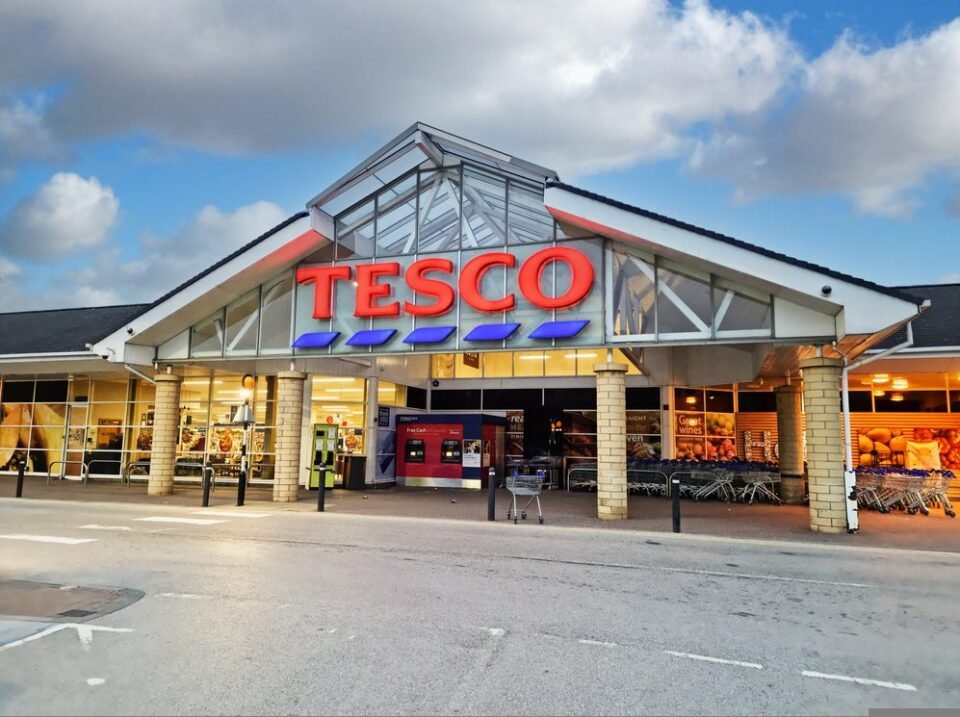
Tesco has raised the lower end of its annual profit forecast after reporting higher profits for the first half of its financial year, underlining the supermarket group’s ability to improve its financial performance in a highly competitive grocery market.
The retailer reported adjusted operating profit of £1.783 billion for the 26 weeks to 29 August, an increase of 6.5% compared with the same period last year. Sales excluding VAT and fuel rose by 2% to £33.776 billion.
Tesco now expects full-year adjusted operating profit of between £3.15 billion and £3.3 billion, compared with its previous forecast range of £3 billion to £3.3 billion. It has also increased its share buyback programme from £750 million to £950 million.
Profitability is the bigger story
The figures reveal an important difference between sales growth and profit growth. Tesco’s adjusted operating profit increased considerably faster than its sales, helped by improved sales mix, cost-saving measures and growth in newer income streams, including Tesco Media and its Whoosh rapid-delivery service.
For supermarket suppliers, this development deserves attention. Retailers are increasingly looking beyond the traditional business of buying products from manufacturers and selling them to consumers. Advertising, digital services and other commercial activities are becoming additional sources of income.
There is nothing surprising about a retailer looking for new ways to improve profitability. However, Tesco’s results demonstrate why suppliers need to understand the changing economics of their retail partners.
The challenge is maintaining value for shoppers
Tesco says it continues to invest in its customer offer while dealing with higher operating costs. The challenge is to maintain competitive prices without allowing those costs to erode profitability.
Our view at ISN is that the next stage of supermarket competition will depend on more than sales growth. Retailers that combine strong buying, efficient operations, customer loyalty and additional sources of revenue may have an advantage over competitors that rely primarily on increasing volumes.
Tesco has delivered a strong set of results. The question now is whether it can maintain that performance through the Christmas trading period, when competition for shoppers’ spending becomes particularly intense.
