By Elena Rostova, Health & Society Correspondent
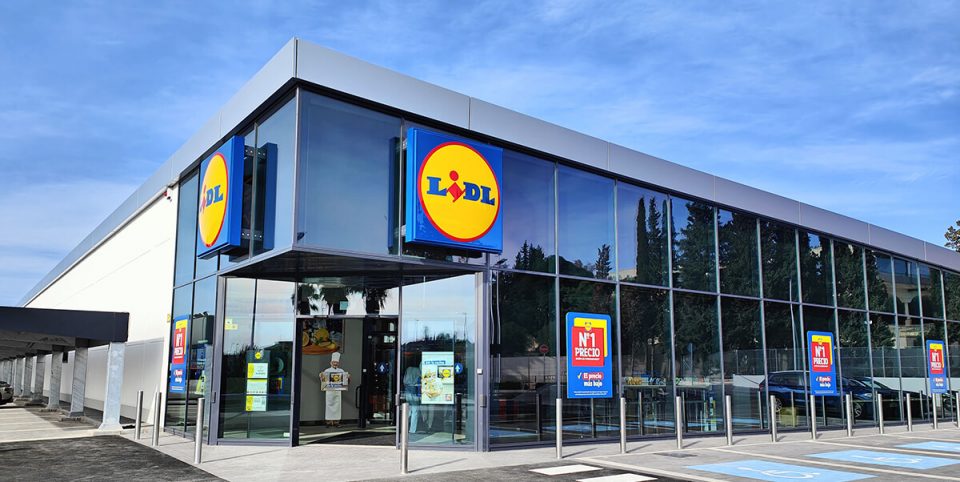
Walk down any grocery aisle, and you are bombarded by cartoon characters selling sugar, salt, and saturated fats to toddlers. It is a cynical, multi-billion-euro marketing machine. But this week, German discounter Lidl did something that caught the retail sector completely off guard.
In a massive international partnership with the wildly popular children’s franchise PAW Patrol, Lidl has implemented an uncompromising, self-imposed ban. The rule is simple: if a food product does not meet strict, internationally vetted nutritional criteria, Chase and Marshall cannot be on the box. Instead, the beloved rescue pups are being used exclusively to make fresh fruits, vegetables, and low-sugar yogurts appealing to five-year-olds.
Skeptics will call it a public relations stunt. However, by voluntarily restricting which high-margin items can carry premium licensing, Lidl is setting a profound precedent. They are demonstrating that a corporate giant can actively protect childhood health without losing its competitive edge. It is a refreshing, human approach to a systemic problem, proving that retail power can—and should—be used for good.