
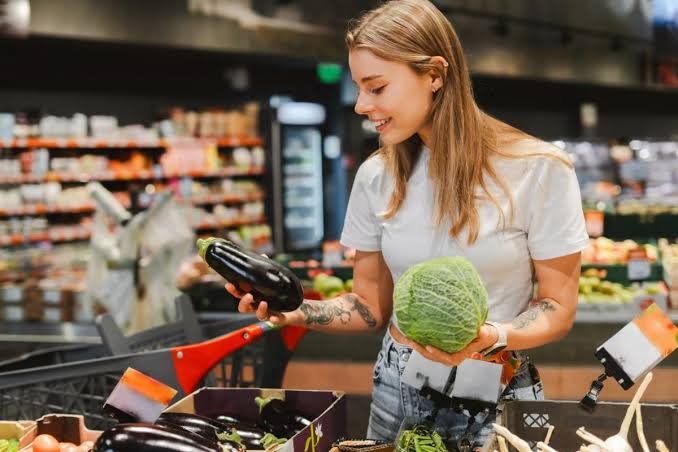
The UK’s grocery market is showing encouraging signs of stability as food price inflation continues to ease, bringing some relief to consumers while maintaining intense competition among the country’s leading supermarket chains.
After several years of significant food price increases driven by supply chain disruption, energy costs and global inflationary pressures, the latest market figures suggest the sector is entering a more balanced phase. Although prices remain higher than they were before the inflation surge, the pace of increases has slowed considerably, allowing retailers to shift their focus from simply managing rising costs to competing more aggressively for customers.
For supermarkets, lower inflation does not necessarily mean an easier trading environment. Consumers remain cautious with household spending and continue to compare prices more closely than ever before. Value remains the key factor influencing shopping decisions, forcing retailers to maintain competitive pricing while protecting already tight profit margins.
The UK’s largest supermarket groups are responding in different ways. Tesco continues to defend its market-leading position through investment in pricing, Clubcard promotions and an expanding range of own-label products. Sainsbury’s has maintained positive momentum by combining competitive pricing with improvements in fresh food quality and customer service.
Discount retailers continue to reshape the market. Lidl remains one of the strongest performers, demonstrating that demand for value shopping is far from slowing. Its strategy of offering a focused product range, efficient operations and high-quality private label products continues to attract shoppers across all income groups. Aldi also remains a major competitive force, ensuring that price competition stays at the forefront of the UK grocery sector.
Online grocery retailing also continues to evolve. Consumers increasingly expect convenience alongside competitive prices, encouraging retailers to invest further in digital platforms, delivery services and fulfilment efficiency.
For suppliers, the easing of inflation presents both opportunities and challenges. Retailers are becoming more selective in negotiations, with greater emphasis on efficiency, innovation and products that can clearly demonstrate value to consumers. Premium products continue to perform well where they offer genuine differentiation, while private label continues to gain market share across many categories.
Looking ahead, the remainder of 2026 is expected to remain highly competitive. While lower inflation provides greater stability, supermarkets are unlikely to reduce their focus on pricing. Instead, investment is expected to increase in technology, automation, loyalty programmes and supply chain optimisation as retailers seek new ways to improve efficiency and strengthen customer loyalty.
For the grocery industry, the message is clear. Inflation may be slowing, but competition certainly is not. Success will depend on delivering value, maintaining operational excellence and responding quickly to changing consumer expectations in one of Europe’s most competitive retail markets.