

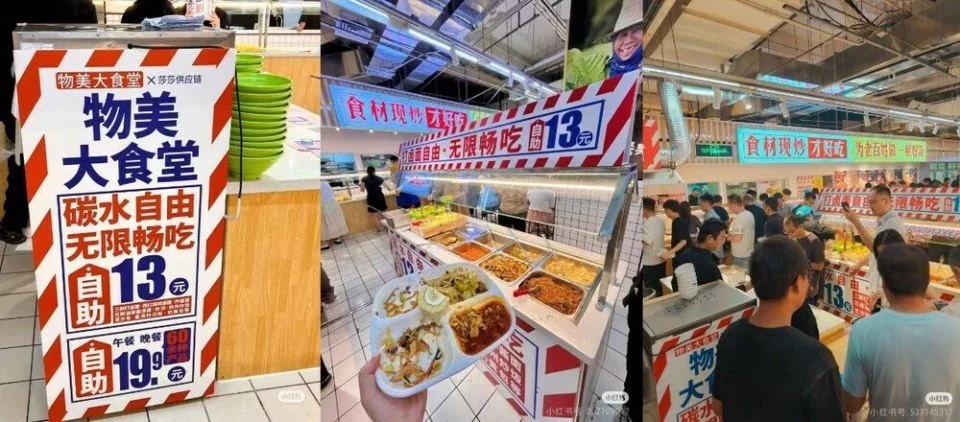
China’s supermarket scene is getting fiercer as retailers compete for increasingly cost-conscious consumers. Major chains, including Wumart, are adopting aggressive discount strategies similar to international players like Aldi, aiming to attract shoppers looking for quality products at lower prices.
Wumart, one of China’s largest supermarket groups, has been experimenting with promotions, bundle deals, and private-label products to draw in customers while maintaining profitability. These tactics mirror successful strategies used abroad, where budget-focused retailers thrive by balancing low prices with efficient store operations.
The move comes as Chinese consumers become more selective, influenced by economic pressures and heightened awareness of value. Retailers are responding by refining supply chains, leveraging digital platforms, and adopting smarter pricing strategies to remain competitive.
Digital transformation is also a key factor. Wumart’s Dmall platform allows shoppers to browse and purchase items online, combining convenience with savings. The chain’s stores are increasingly focused on efficiency, ensuring popular items are in stock while minimising waste.
Analysts note that this focus on affordability does not mean a compromise in quality. On the contrary, supermarkets are enhancing customer experience through better product selection, fresher produce, and loyalty programmes to keep shoppers returning.
The challenge for Wumart and its competitors is balancing aggressive discounting with sustainable margins. As competition intensifies, those chains that can offer value without sacrificing quality or service are likely to emerge as leaders in China’s crowded retail market.
With consumer preferences evolving rapidly, the supermarket battle in China is no longer just about size—it’s about smart pricing, digital convenience, and winning the loyalty of a generation of careful, budget-minded shoppers.