
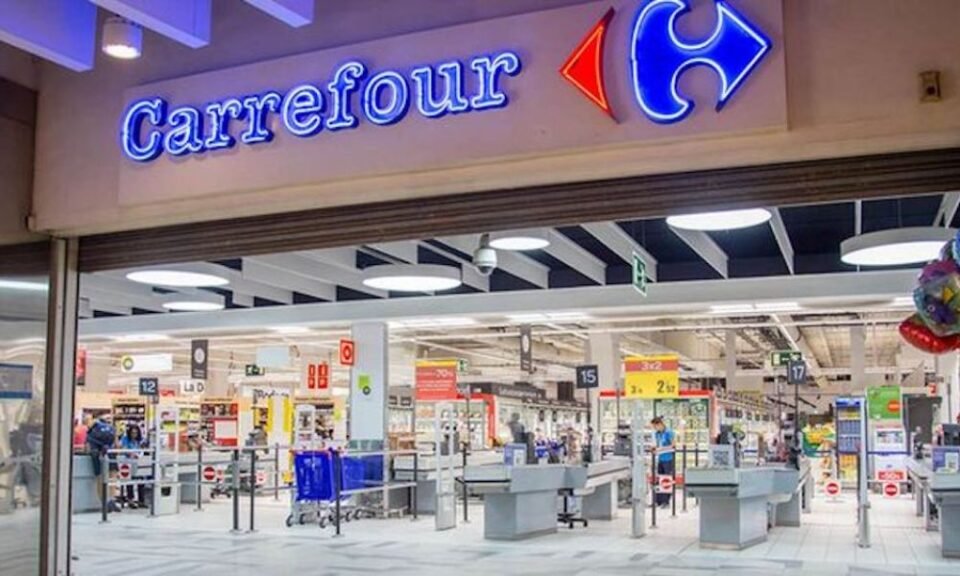
Carrefour is returning to India with an ambitious expansion strategy that could see the French supermarket group build a network of around 50 stores in one of the world’s fastest-growing consumer markets.
The retailer is re-entering India through a partnership with Dubai-based Apparel Group, which will operate the Carrefour business under a franchise agreement. The move marks a significant change in Carrefour’s international strategy as the group seeks to expand through local partners rather than relying exclusively on directly operated stores.
Carrefour previously operated in India but exited the market in 2014 after failing to achieve the scale it had hoped for. More than a decade later, the supermarket group is returning at a very different moment for Indian retail, with a rapidly expanding middle class, growing urban populations and increasing consumer demand for modern grocery and retail formats.
The planned expansion could eventually bring Carrefour to around 50 locations, giving the retailer a substantial presence in a market of more than 1.4 billion people. The first stores are expected to establish the new partnership’s operating model before the network is expanded.
The return is particularly significant because Carrefour has been reshaping its international business in recent years. The group has increasingly used franchise and partnership models in markets where local knowledge, property networks and consumer understanding can provide an advantage.
For India, the arrival of Carrefour adds another major international retailer to an increasingly competitive grocery market. Domestic businesses and international companies are investing heavily in physical stores, online grocery, delivery and convenience formats as Indian consumers change the way they shop for food and everyday products.
Carrefour will also face a very different competitive environment from the one it encountered during its first attempt in the country. Indian consumers have become accustomed to fast delivery, digital shopping and highly competitive pricing, while local retailers have developed a strong understanding of regional tastes and shopping habits.
The partnership with Apparel Group could therefore prove crucial. Rather than attempting to build the entire operation independently, Carrefour can use a local partner with experience across the region and knowledge of the Indian consumer market.
The planned return also highlights the continuing attraction of India for global retailers. While operating in the country presents considerable challenges, the long-term opportunity created by population growth, urbanisation and rising consumer spending remains difficult for major international supermarket groups to ignore.
Carrefour’s second attempt in India will therefore be closely watched by the global supermarket industry. The retailer is not simply reopening stores; it is testing whether a partnership-led expansion model can succeed where its previous direct operation could not.