
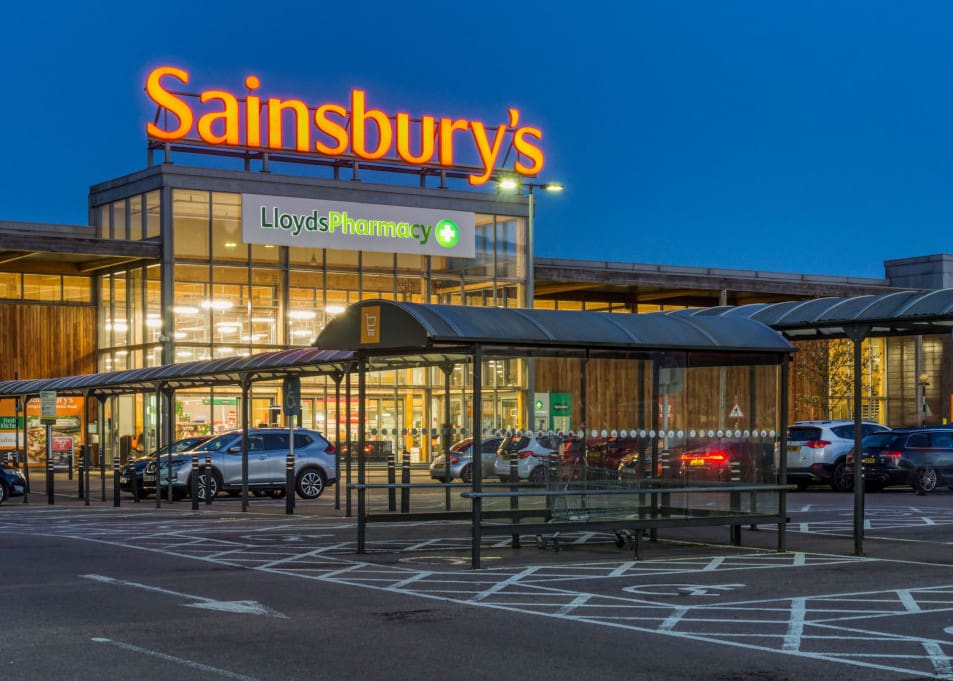
A possible merger between Sainsbury’s and Morrisons could face a major test from UK competition regulators if the two supermarket groups return to the negotiating table.
Sainsbury’s held preliminary talks with Morrisons earlier this year about a possible combination, although the discussions are understood to have ended. The talks nevertheless raise the prospect of another major shake-up in the UK grocery market.
A combined Sainsbury’s and Morrisons would account for around 23.8% of the UK grocery market, according to recent Kantar figures, putting the enlarged group behind Tesco but ahead of several other major supermarket operators.
That is where the regulator question becomes important.
The Competition and Markets Authority (CMA) would have to examine whether the possible merger would reduce competition, particularly in local markets where the two chains have stores close to each other.
The CMA previously blocked Sainsbury’s proposed takeover of Asda in 2019, saying the deal could lead to higher prices and less choice for shoppers.
The market has changed since then. Aldi and Lidl have continued to expand, while Tesco, Asda, Morrisons and Sainsbury’s have all been competing heavily on price.
ISN sees the possible merger as more than a question of supermarket size. The bigger issue would be whether a combined Sainsbury’s-Morrisons could use greater buying power to compete harder on prices — or whether that same buying power could eventually make the market less competitive.
For suppliers, the consequences could also be significant. A larger supermarket group would have greater purchasing scale, potentially increasing pressure on food producers and branded suppliers.
For shoppers, however, the question would be much simpler: would a Sainsbury’s-Morrisons merger mean better prices, or would regulators fear that competition could ultimately suffer?
There is no deal currently on the table, but if the possible merger returns, the CMA is likely to be watching closely.
